Cryptocurrency: Guides, Tools, and Trends
If you’ve ever wondered what Cryptocurrency really means, you’re in the right place. When working with Cryptocurrency, digital assets secured by cryptography that enable peer‑to‑peer value transfer. Also known as crypto, it powers everything from simple payments to complex decentralized finance ecosystems.
One of the biggest ways people get involved is through mining pools, collectives where miners combine hash power to earn steadier rewards. Mining pools reduce variance, let small operators compete with big farms, and shape network security. Another popular entry point is airdrops, free token distributions that reward community participation or promote new projects. Airdrops can boost awareness, but they also bring scams, so knowing how to verify eligibility matters. When you want to trade, crypto exchanges, platforms that match buyers and sellers of digital assets become the hub. Exchanges differ in fees, security features, and supported tokens, making the choice critical for cost‑effective trading.
Why the details matter
Understanding these pieces is not optional – they’re the building blocks of a healthy crypto journey. Mining pools enable more reliable earnings, which influences network decentralization. Airdrops encourage community growth, but they also require vigilance against phishing. Exchanges provide liquidity, yet they introduce compliance obligations that can affect tax reporting. Adding another layer, crypto compliance tools, software that helps businesses meet AML/KYC regulations are becoming essential for anyone handling large volumes or operating a service. Together, these entities form an ecosystem where each part supports the others – pools feed secure networks, exchanges rotate tokens, airdrops boost adoption, and compliance tools keep everything above board.
Below you’ll find a curated collection of articles that break down each of these areas. Whether you’re curious about how a mining pool pays out, looking for the latest airdrop checklist, comparing exchange fees, or needing a compliance roadmap, the guides are organized to give you actionable insight right away. Dive in and keep your crypto knowledge as up‑to‑date as the market itself.
Mar

Sentiment indicators and tools analyze social media, forums, and news to gauge market emotion in crypto. They help traders spot hype, fear, and manipulation before price moves. Used by institutional investors and solo traders alike, these AI-powered tools now detect sarcasm, urgency, and voice tone - turning noise into actionable signals.
Read MoreMar

The PandaSwap (PND) airdrop gave away 666,666 tokens, but the token vanished. Meanwhile, a different token called PANDA took its place. Learn what really happened and how to avoid getting stuck with worthless crypto.
Read MoreMar

Learn how to read crypto exchange order books to spot market depth, bid-ask spreads, and hidden trading signals. Understand bids, asks, and order execution to trade smarter, not just faster.
Read MoreMar
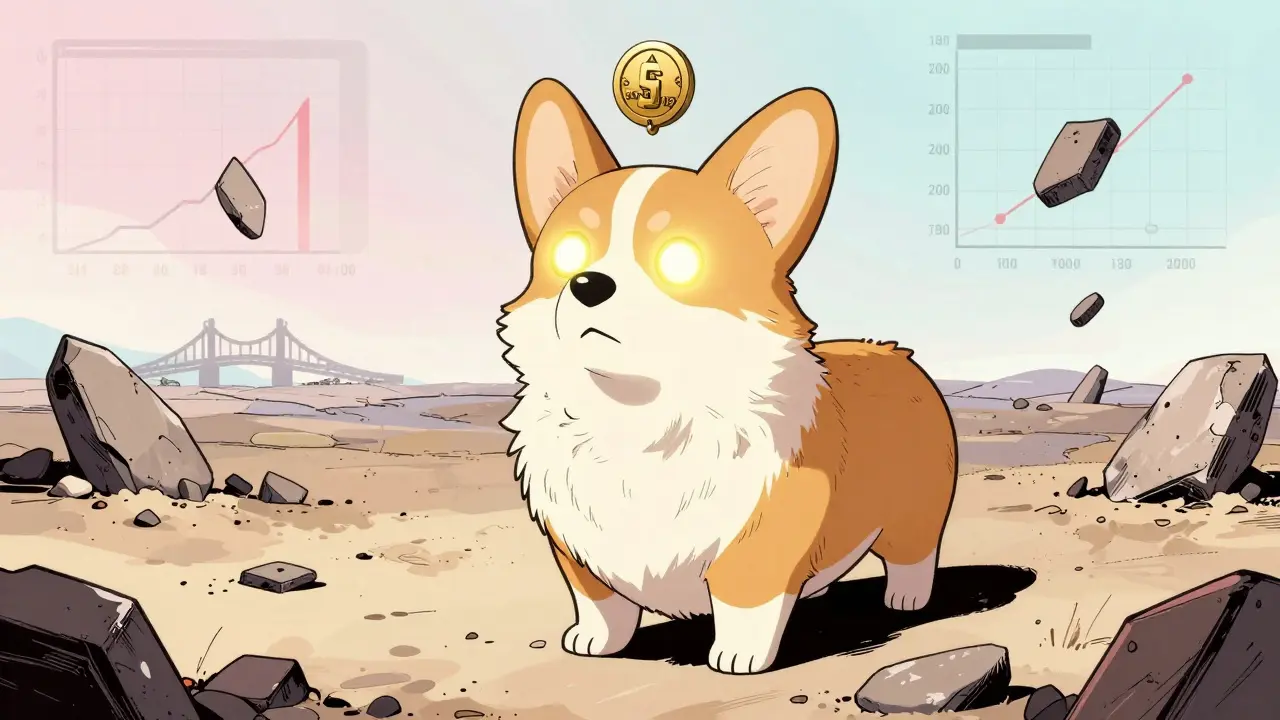
CORGIB is a meme token tied to PolkaBridge with a 54-trillion supply and a market cap under $20,000. It trades on PancakeSwap, has no real utility, and crashed 99%+ since its peak. Not an investment - just a crypto meme.
Read MoreMar

WagyuSwap's IDO airdrop offered free WAG tokens in 2021, but most users missed out. Learn how it worked, why it failed, and whether you can still claim tokens in 2026.
Read MoreMar

Chengpang Zhoa (ZHOA) is a community-driven memecoin on Binance Smart Chain that parodies Binance founder Changpeng Zhao. Launched in 2024, it has no utility beyond meme culture - but that’s exactly why it still matters.
Read MoreFeb

Three Protocol Token (THREE) powers a real-world ecosystem of decentralized marketplaces like Jobs3 and 3Bay, using zero-knowledge proofs and AI to enable private, no-KYC transactions. It’s not a speculative coin - it’s digital cash for a new kind of economy.
Read MoreFeb

Learn how to invest in security tokens in 2026 - from choosing regulated platforms to buying fractional shares of real estate and equity. A clear, step-by-step guide for beginners and experienced investors alike.
Read MoreFeb

Governance tokens let users vote on blockchain protocol decisions, turning passive holders into active stakeholders. Learn how they drive decentralization, align incentives, and empower communities in DeFi and DAOs.
Read MoreFeb
Whale deposits and withdrawals on crypto exchanges reveal hidden market sentiment. Large movements of Bitcoin or Ethereum can signal upcoming price swings-whether a rally or crash. Learn how to read these signals and avoid common traps.
Read MoreFeb

AB (AB) is a utility token powering a blockchain infrastructure network, not an investment asset. It pays for transaction fees, enables cross-chain transfers, and supports developers - with no governance or staking features.
Read MoreFeb

Wrapped MEMO (wMEMO) is not a standalone cryptocurrency called 'Wonderful Memories.' It's a cross-chain governance token for Olympus DAO, with near-zero liquidity and minimal real-world use. Understand its purpose, risks, and why most users avoid it.
Read MoreSearch
Categories
- Cryptocurrency (91)
- Cryptocurrency Reviews (58)
- Blockchain Gaming (22)
- Cryptocurrency News (13)
- Technology & Security (13)
- Cryptocurrency Security (13)