You found a website called 4E, it promises low fees or high returns, and you’re wondering if it’s worth your money. Here is the hard truth based on extensive research as of June 2026: there is no verifiable evidence that a legitimate, regulated cryptocurrency exchange named "4E" exists in the global market. Major tracking platforms like CoinGecko, CoinMarketCap, and regulatory bodies do not list it. This absence is not an oversight; it is a massive red flag.
In the crypto world, silence from reputable sources usually means one thing: danger. If a platform isn’t reviewed by established financial analysts, listed on major aggregators, or mentioned in regulatory filings, you should assume it is either a brand-new, untested entity with zero liquidity or, more likely, a fraudulent scheme designed to steal your funds. Before you send a single satoshi, you need to understand why this name doesn't appear anywhere and how to protect yourself from similar traps.
The Disappearing Act: Why You Can’t Find 4E
When I look for information about 4E Crypto Exchangea purported digital asset trading platform lacking verifiable online presence, I hit a wall. In the cryptocurrency industry, visibility equals legitimacy. Legitimate exchanges fight for attention because they need users to provide liquidity. They advertise on tech blogs, get listed on CoinGeckoa leading cryptocurrency data aggregator and price tracking platform, and publish monthly transparency reports.
4E does none of these things. A search through comprehensive databases covering the top exchanges of 2025 and early 2026 reveals nothing. Platforms like Krakena US-based cryptocurrency exchange known for strong security and regulation, Coinbasea publicly traded American cryptocurrency exchange, and even newer contenders like MEXCa global cryptocurrency exchange offering spot and futures trading dominate the search results. These platforms have thousands of reviews, clear fee structures, and public legal entities.
If 4E were real, it would have a footprint. It would have a Twitter account with verified engagement, a GitHub repository showing code audits, or at least a mention in niche crypto forums. The total lack of independent verification suggests that 4E is likely a "ghost" exchange. These are sites created solely to collect deposits and then vanish, often using sophisticated phishing techniques to mimic the look of professional trading dashboards.
Red Flags: How to Spot a Fake Exchange
Since we cannot review 4E’s features because they don’t exist in the public domain, let’s talk about what fake exchanges *do* have. Recognizing these patterns can save you from losing your life savings. Fraudulent platforms rely on psychological triggers rather than technical merit.
- Promises of Guaranteed Returns: No legitimate exchange guarantees profit. If 4E claims you will earn 1% daily or double your Bitcoin in a week, it is a Ponzi scheme. Real trading involves risk and volatility.
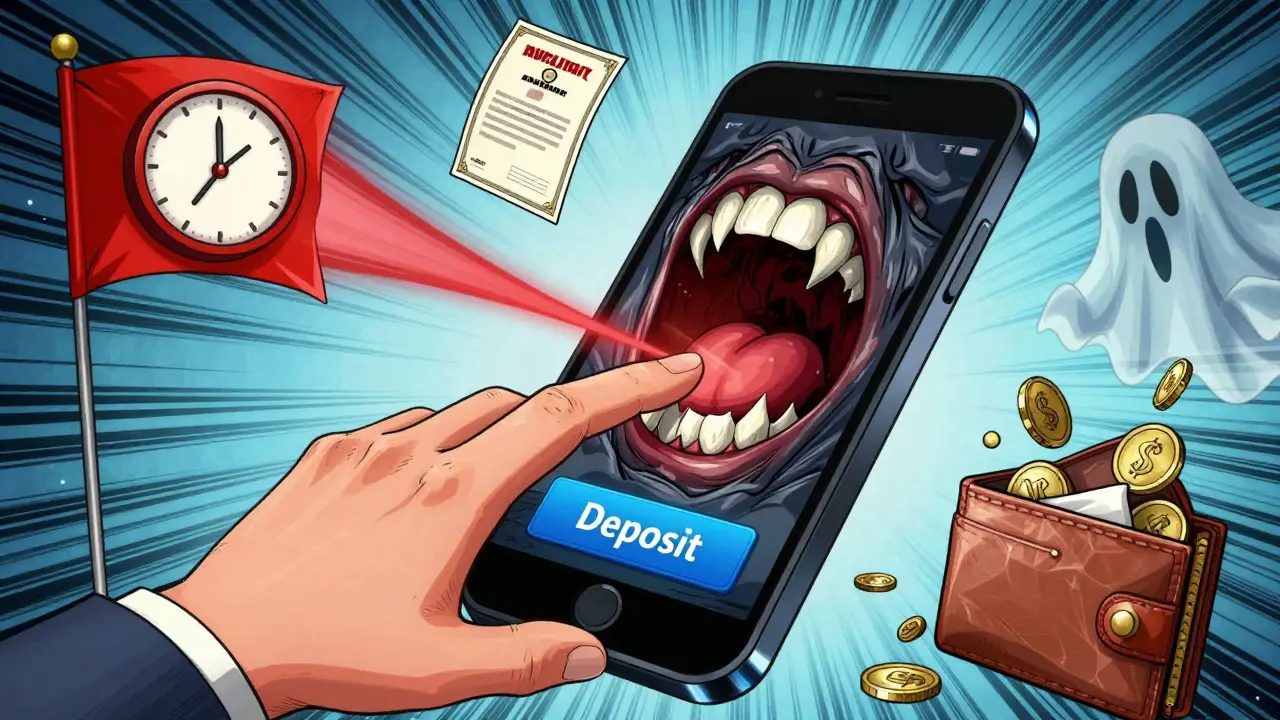
- Pressure to Deposit Quickly: Scammers create urgency. They might say, "The promo ends in 2 hours" or "Limited slots available." Legitimate platforms like Coinbase or Kraken are always open, and their promotions are clearly documented in terms and conditions.
- Lack of Regulatory Information: Check the footer of the website. Does it list a license number from the FCA (UK), ASIC (Australia), or FinCEN (USA)? If the address is a PO Box in a tax haven or a residential apartment, run away. Geminia New York-based cryptocurrency exchange regulated by NYDFS, for example, proudly displays its regulatory status because it adds trust.
- Poor Website Quality: Look for broken links, grammatical errors, and generic stock photos. Professional exchanges invest heavily in user experience (UX) and design. A sloppy site suggests a sloppy operation.
- No Proof of Reserves: Since the collapse of FTX in 2022, reputable exchanges publish Proof of Reservescryptographic evidence that an exchange holds sufficient assets to cover user liabilities. This allows users to verify that their funds are actually there. 4E has no such audit.
The Risks of Using Unverified Platforms
Why do people still fall for scams like 4E? Because the allure of easy money is powerful. But the consequences are severe. When you deposit money into an unregulated exchange, you lose all consumer protections. There is no insurance fund to reimburse you if the site disappears. There is no customer support team to help you recover a lost password. There is no legal recourse.
In Q2 2025 alone, the Anti-Phishing Working Group reported over 1,200 incidents targeting crypto users. Many of these involved fake exchanges using names similar to popular ones. By interacting with 4E, you expose yourself to several specific threats:
- Total Loss of Funds: Once you transfer Bitcoin or Ethereum to a wallet controlled by a scammer, it is gone forever. Blockchain transactions are irreversible.
- Data Theft: During registration, scammers often ask for excessive personal information-passport scans, selfie videos, bank details. This data is sold on the dark web, leading to identity theft and further fraud.
- Malware Installation: Some fake exchanges require you to download a proprietary app or browser extension. These files often contain malware that can steal passwords from other accounts on your device.
Safe Alternatives: Where You Should Trade Instead
If you are looking for a reliable place to trade cryptocurrencies, stick to platforms that have been vetted by the community and regulators. Here is a comparison of three legitimate options that offer transparency, security, and competitive fees.
| Feature | Kraken | Coinbase | MEXC | 4E (Unverified) |
|---|---|---|---|---|
| Regulation | Fully regulated in US/EU | Publicly traded (NASDAQ) | Global licenses | None / Unknown |
| Security Record | No major hacks since 2011 | Insurance coverage | Cold storage majority | Unknown / High Risk |
| Fees | 0.16% - 0.26% | Variable (spread + fee) | 0% maker fees (spot) | Hidden / Likely High |
| Asset Variety | 200+ coins | 200+ coins | 2,500+ coins | Few / Fake tokens |
| Transparency | Monthly PoR Audits | Quarterly Reports | Regular Updates | Zero Transparency |
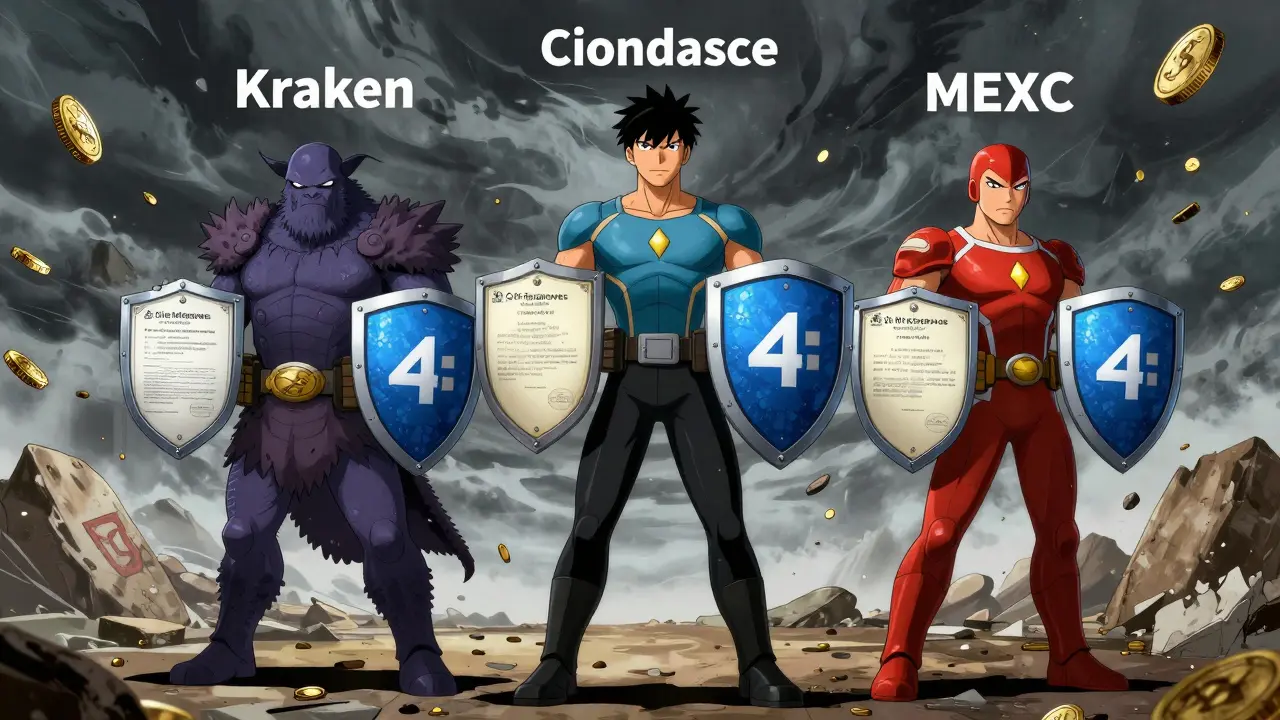
Krakenknown for its robust security infrastructure and professional trading tools is often cited as the safest option for serious traders. It has never suffered a large-scale hack involving user funds since 2011. For beginners, Coinbaseoffers a user-friendly interface and educational resources provides a seamless experience with the backing of a publicly traded company. If you are looking for low fees and a wide variety of altcoins, MEXCpopular among traders for its zero-maker-fee structure on spot markets is a strong contender, having gained significant traction in 2025 for its aggressive pricing model.
How to Verify Any Crypto Exchange
Before you sign up for any new platform, perform this quick checklist. It takes five minutes but could save you thousands of dollars.
- Check Aggregators: Go to CoinGecko or CoinMarketCap. Search for the exchange. If it’s not there, or if the listing has very few votes and no volume data, be suspicious.
- Search for Reviews: Use Google to search "[Exchange Name] scam" or "[Exchange Name] review." Read Reddit threads. Real users will complain about withdrawal issues long before a site shuts down.
- Verify the Domain Age: Use a WHOIS lookup tool. If the domain was registered last month but claims to have been operating for years, it is a lie.
- Contact Support: Ask them a specific question about their licensing. If they give vague answers or ignore you, do not deposit funds.
- Start Small: If you still want to try it, deposit $10. Try to withdraw it immediately. If the withdrawal is delayed, denied, or requires a "tax fee," close the account and never return.
Conclusion: Stay Safe, Stay Skeptical
The cryptocurrency market is exciting, but it is also filled with predators waiting for inexperienced users. The "4E Crypto Exchange" appears to be one of these predators. Without regulatory compliance, independent audits, or a verifiable track record, it poses an unacceptable risk to your financial security.
Do not let fear of missing out (FOMO) drive your decisions. The best trade is the one you don’t make because you did your homework. Stick to established platforms like Kraken, Coinbase, or MEXC. They may not promise you overnight riches, but they promise you access to your own money when you need it. That is the only guarantee that matters in crypto.
Is 4E Crypto Exchange a scam?
While we cannot definitively prove intent without legal action, all signs point to yes. 4E lacks any verifiable presence on major crypto trackers, has no regulatory licenses, and offers no proof of reserves. These are classic characteristics of fraudulent exchanges designed to steal user funds.
Where can I find a safe crypto exchange in 2026?
For safety and reliability, consider Kraken for advanced trading and security, Coinbase for beginners due to its public listing and ease of use, or MEXC for low fees and a wide selection of altcoins. All three are well-established and transparent.
What is Proof of Reserves and why does it matter?
Proof of Reserves (PoR) is a cryptographic method used by exchanges to prove they hold enough assets to cover all user balances. After the FTX collapse, PoR became essential for trust. If an exchange like 4E does not publish PoR, you cannot know if your money is actually there.
Can I recover my money if I sent it to 4E?
Recovery is extremely difficult. Cryptocurrency transactions are irreversible. If 4E is a scam, the operators likely moved the funds through mixers or to untraceable wallets immediately. Report the incident to your local cybercrime unit, but do not expect a refund.
Why isn't 4E listed on CoinGecko or CoinMarketCap?
These platforms have strict listing criteria requiring evidence of real trading volume, regulatory compliance, and security audits. 4E fails to meet these basic standards, which is why it remains invisible to the wider crypto community.