
Here's something wild: Binance has permanently destroyed over $34 billion worth of its own cryptocurrency. But instead of losing money, this act made their token stronger. Welcome to the world of token burning, where destroying digital coins creates real value.
Token burning removes cryptocurrency permanently from circulation by sending it to an unrecoverable wallet. This isn't just theoretical anymore-78% of top cryptocurrencies now use this strategy as of 2026. Let's break down why projects burn tokens and what it means for your portfolio.
Quick Summary / Key Takeaways
- Token burning permanently reduces circulating supply to create scarcity
- Projects use two methods: manual burns (like Binance's quarterly events) and automatic smart contract burns
- Burns exceeding 2% of total supply often correlate with 8-9% short-term price increases
- Ethereum's EIP-1559 revolutionized burning by destroying transaction fees automatically
- Skepticism remains when burns lack transparency or meaningful supply impact
Why Do Projects Burn Tokens?
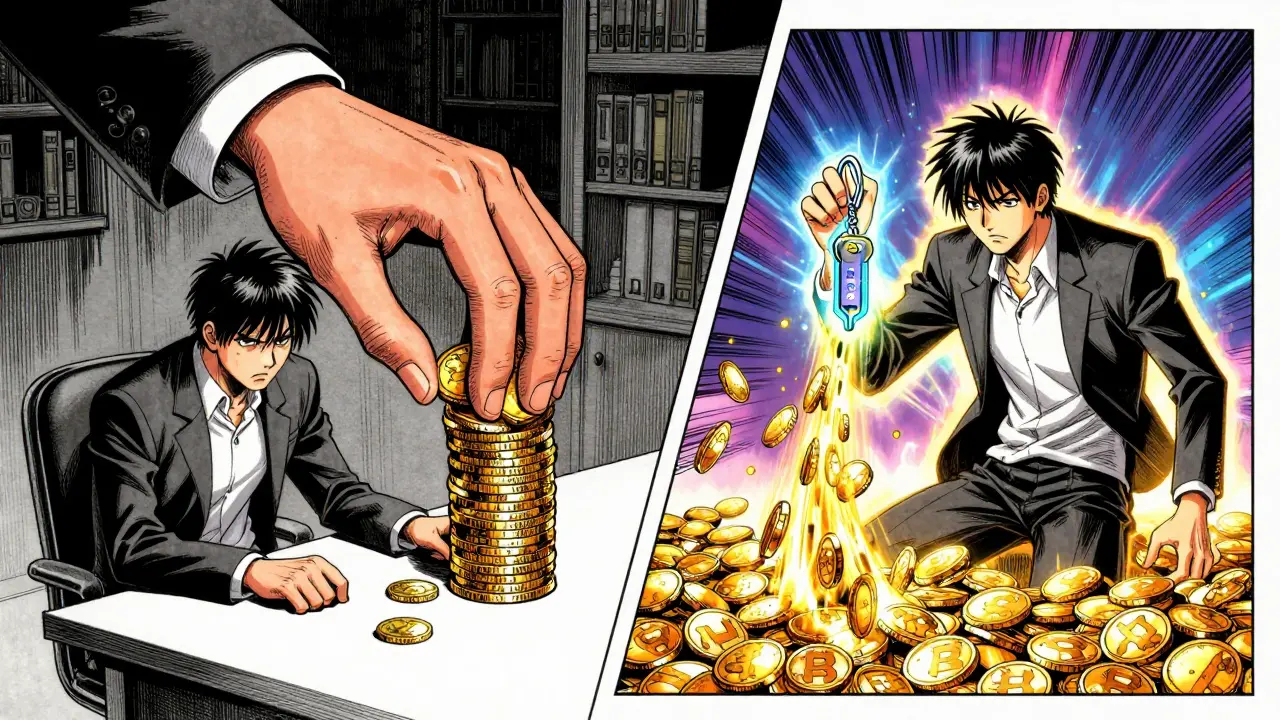
Imagine finding a rare coin-you'd hold onto it knowing others can't get one too. That's exactly what supply scarcity achieves through token burning. When demand stays steady but supply shrinks, basic economics suggests prices rise.
Most burns target inflation control. As Changpeng Zhao noted during Binance's 2017 launch of BNB burns, "deflationary pressure benefits long-term holders." This became even more critical after the 2021 bull market when many projects realized unchecked token supply undermined value retention.
How Token Burns Actually Work
| Step | Process | Key Requirement |
|---|---|---|
| 1 | Decision phase | Community approval or DAO vote |
| 2 | Address selection | Verifiable burn wallet (no private key) |
| 3 | Transaction execution | Blockchain confirmation & hash publication |
| 4 | Verification | On-chain explorers show zero balance |
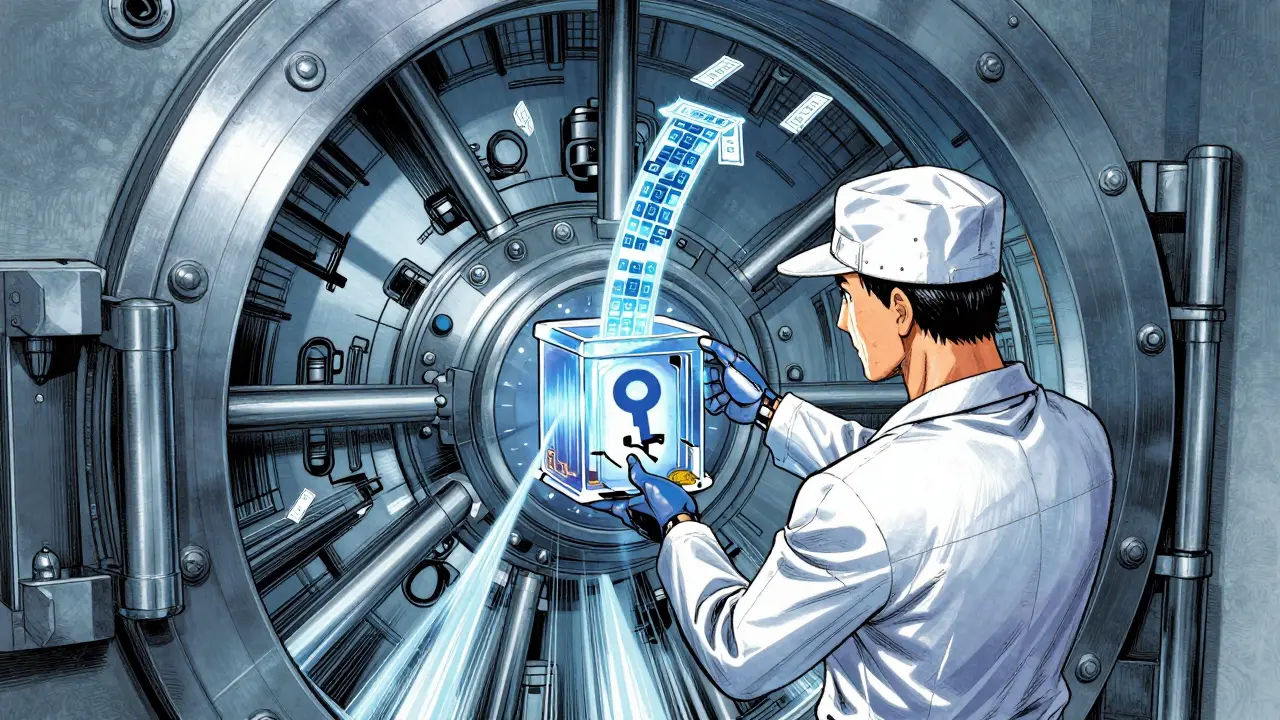
The magic happens at step 2: you send tokens to a burn address-a special wallet without recovery keys. On Ethereum networks, these look like 0x0000...dead addresses. Once sent, those tokens vanish forever. Network costs vary; during high congestion, gas fees for burns can spike above 100,000 units.
Manual vs. Automatic Burns: Critical Differences
| Feature | Manual Burning | Automatic Burning |
|---|---|---|
| Control | Team decisions | Smart contract logic |
| Transparency | Requires public proofs | Immutable on-chain records |
| Volatility Impact | 17.3% higher volatility | Predictable outcomes |
| Example | Binance quarterly BNB burns | Ethereum's EIP-1559 fee destruction |
Automatic systems won community trust post-2020 when KuCoin faced accusations over opaque burn processes. Today's leading projects prefer code-driven approaches-Ethereum alone has burned over 4.2 million ETH since implementing EIP-1559. But flexibility matters; Binance still uses manual burns to adapt to market cycles.
Real Cases That Moved Markets
When Shiba Inu community collectively burned 410 trillion SHIB tokens in May 2021, the result stunned observers. CoinGecko data shows a 230% price surge within weeks, proving psychological impact outweighed pure math-the burn represented just 4% of supply but created massive FOMO.
Conversely, TerraUSD's collapse revealed dangerous limitations. Its algorithmic stablecoin relied heavily on burning mechanisms without reserves. As u/StablecoinWatcher later explained, "Supply adjustments fail catastrophically without backing assets." The lesson: burns amplify value-but only when tied to genuine utility.

Should You Trust Token Burns?
A MIT study analyzing 214 burns reveals stark truths: burns below 0.5% of supply had no measurable effect, while those exceeding 2% triggered average 8.7% gains over 30 days. Context drives everything-burning 1 million tokens matters differently for a $1B versus $10B project.
Always verify three things: actual percentage burned, whether burns happen regularly, and if utility exists beyond speculation. Reddit polls show 62% of investors view strategic burns positively-but 28% dismiss them as marketing gimmicks. The dividing line? Transparency.
The Future Beyond Simple Destruction
Gartner's 2025 predictions materialized faster than expected: by Q1 2026, 60% of new projects launched automated burn mechanisms. Innovation accelerated further with dynamic models-VeChainThor's conditional burns activate only during specific market conditions, while Kadena adjusts rates based on network usage.
The next frontier combines burns with real assets. Paxos Gold demonstrated this successfully: when users redeem PAXG for physical gold, corresponding tokens burn. This verifiable loop maintained 99.87% peg stability since 2019. Dr. Aaron Wright emphasizes pairing burns with genuine demand creation-not just supply cuts-to sustain value long-term.
Do token burns always increase cryptocurrency value?
No. Burns work best when representing 2%+ of total supply alongside growing adoption. Small burns without utility rarely impact prices significantly.
Can anyone see burnt tokens?
Yes. All blockchain transactions remain visible. Explore blockchains like Etherscan to verify burn addresses holding irrecoverable balances.
Is token burning legal?
Generally yes, but U.S. SEC guidance warns against manipulative schemes. Transparent burns aligned with legitimate tokenomics face minimal regulatory risk.
What makes a burn trustworthy?
Look for public transaction hashes, third-party audits, regular schedules, and correlation with network activity metrics-not just announced amounts.
Will all cryptos eventually adopt burning?
Unlikely. Stablecoins needing constant mint/burn balance differently than growth-focused tokens. Best applied where scarcity genuinely supports ecosystem goals.






Chris R
March 29, 2026 AT 14:48token burning acts like supply shock in traditional markets
we see similar effects during treasury buybacks in stocks
Justin Smith
March 30, 2026 AT 12:38The mechanism relies on verifiable smart contracts.
This ensures transparency for investors.
Manual processes introduce human error.
Katrina Tate
March 31, 2026 AT 14:53it is just a marketing gimmick to manipulate the charts
Ashley Stump
April 1, 2026 AT 11:01i dont trust any project that burns too much of their supply without backing
it feels like a panic move to create artificial scarcity when utility drops
Jamie Riddell
April 2, 2026 AT 18:42maybe we should focus on utility instead of hype cycles
people always chase the shiny new thing
Leah Lara
April 3, 2026 AT 00:17the article says 78 percent of projects do this now
Markus Church
April 3, 2026 AT 13:05It is interesting to note the distinction between manual and automatic execution models.
Community approval remains a significant hurdle for many decentralized structures.
Efficiency gains are often secondary to governance concerns.
Justin Garcia
April 3, 2026 AT 17:09bullshit economics used to scare retail investors into holding bag
they know the value is zero without buyers
Tiffany Selchow
April 4, 2026 AT 00:27americans lose too much money on these schemes
why waste time on fake digital coins
Cara Boyer
April 5, 2026 AT 13:44The centralization risk remains high when teams control the burn schedule themselves
Regulatory bodies might view unbacked token destruction as fraudulent activity
Transparency is merely a veneer for deeper manipulative tactics employed by elite actors controlling the blockchain infrastructure
Addy Stearns
April 6, 2026 AT 22:14Consider the philosophical implication of destroying matter to increase worth of remaining units
It mirrors hoarding behaviors seen in historical gold rushes where scarcity was artificially manufactured through burial rather than burning
Human desire for exclusivity drives markets more than intrinsic utility metrics ever could explain in financial textbooks
We often overlook the psychological component of perceived value when analyzing cryptographic ledgers
Scarcity breeds obsession among collectors who equate possession with status
Historical precedents suggest such strategies fail once novelty wears off
New entrants require incentive mechanisms beyond simple deflationary pressure to maintain engagement
Without continuous adoption the burned tokens simply become dead weight on the chain history
Value is subjective and tied entirely to network participation levels over extended periods
Burning solves nothing if demand evaporates completely regardless of supply constraints
Utility must remain the primary driver for long term ecosystem health and sustainability
Speculators fade away leaving genuine users as the backbone of any lasting protocol architecture
This dynamic creates fragile stability dependent on external sentiment shifts
Investors must understand these risks before committing capital to volatile markets
True wealth creation comes from solving problems not moving numbers
Raymond K
April 7, 2026 AT 17:32i realy hope u guys stay safe with ur investments
crypto is vey risky but exciting if u do yor homework
keep learning and stay positive!!!
Justin Smith
April 8, 2026 AT 19:40Verification requires public block explorer access.
Private wallets cannot prove burn events independently.
joshua kutcher
April 9, 2026 AT 11:11its good to see more info on this stuff
helps us understand whats happening behind the scenes
Disha Patil
April 9, 2026 AT 23:21this whole thing is so dramatic and crazy to watch
prices jump then crash because everyone panics together
Liam Robertson
April 11, 2026 AT 16:14we can learn a lot from how they manage supply
staying positive helps us grow our portfolios
Shubham Maurya
April 13, 2026 AT 06:56look at this bro its totally fire 🔥🔥💰
you gotta check the charts man 😂😂
athalia georgina
April 15, 2026 AT 03:44i heard some people lost alot of money when burns failed
wouldnt wanna be them honestly
Jay Starr
April 15, 2026 AT 08:07the silence from developers after major burns is telling
nobody talks about the failures
Elizabeth Akers
April 16, 2026 AT 18:53chill just look at the long term trends
short term noise matters less overall
Lisa Walton
April 17, 2026 AT 11:20obviously the whales use this to pump their bags
retail never wins these games
Callis MacEwan
April 17, 2026 AT 20:00liquidity mining paired with deflation creates synthetic yield opportunities
however tokenomics models often break under stress testing conditions
market makers exploit these predictable event windows
Alex Kuzmenko
April 18, 2026 AT 04:54gussses the math checks out sometimes
i saw the numbers myself
Alex Lo
April 18, 2026 AT 12:51You cna achive great thins if you beleve in the techolgy
Keep working hard and never give up on your drema!!
I belive this project is going to change evrything for us all soon!
Katrina Tate
April 18, 2026 AT 16:23same strategy applied to stablecoins fails catastrophically