You might have stumbled upon the term SMAK airdrop while digging through old crypto forums or checking historical data on decentralized finance projects. If you are looking to claim tokens right now, I need to be straight with you: this specific event is over. The SMAK X CoinMarketCap Campaign was a time-limited promotional distribution that took place back in September 2021. It is not an active opportunity for new users today.
However, understanding what happened during that campaign provides a clear window into how early Web3 escrow services tried to gain traction. It also serves as a cautionary tale about market volatility and the difference between marketing hype and sustainable adoption. Let’s break down exactly what the Smartlink project was, how the airdrop worked, and where the SMAK token stands in the current landscape of 2026.
What Was the SMAK X CoinMarketCap Campaign?
The "SMAK X CoinMarketCap" campaign was a strategic partnership aimed at distributing $20,000 USD worth of SMAK tokens to the broader cryptocurrency community. This wasn't just a random giveaway; it was a calculated move to build brand awareness using one of the most trusted data aggregators in the industry.
CoinMarketCap has long been the go-to source for millions of traders seeking accurate pricing and market data. By hosting the airdrop there, Smartlink tapped into an audience already interested in tracking emerging assets. The campaign ran for ten days, from September 13, 2021, to September 23, 2021. Prior to this, the team released promotional materials, including YouTube videos on September 7, 2021, to generate buzz and explain the utility of the token.
For participants at the time, the process involved following specific instructions posted directly on the CoinMarketCap platform. These typically included tasks like following social media channels, joining community chats, or verifying wallet addresses. The goal was simple: get more people holding the SMAK token so they would experience the ecosystem firsthand.
How Did Participants Claim Their Tokens?
If you were around in late 2021, you likely remember the standard procedure for these types of campaigns. While detailed step-by-step guides from that specific week are no longer prominently featured on the main site, the mechanism followed industry norms for CoinMarketCap-hosted events.
- Registration: Users had to create or log in to their CoinMarketCap account.
- Task Completion: Participants completed mandatory actions, such as subscribing to newsletters or sharing posts on Twitter/X.
- Wallet Verification: You needed a compatible wallet address ready to receive the tokens. Since Smartlink is built on the Tezos blockchain, users required a Tezos-compatible wallet.
- Distribution: Once the campaign ended on September 23, 2021, eligible tokens were distributed automatically to verified wallets.
It is important to note that if you missed this window, there is no retroactive claim process. Airdrops are finite resources allocated for a specific period. Any website currently asking you to pay fees or connect your wallet to "claim leftover SMAK tokens" is almost certainly a scam. Legitimate airdrops never charge upfront fees.
The Technology Behind Smartlink
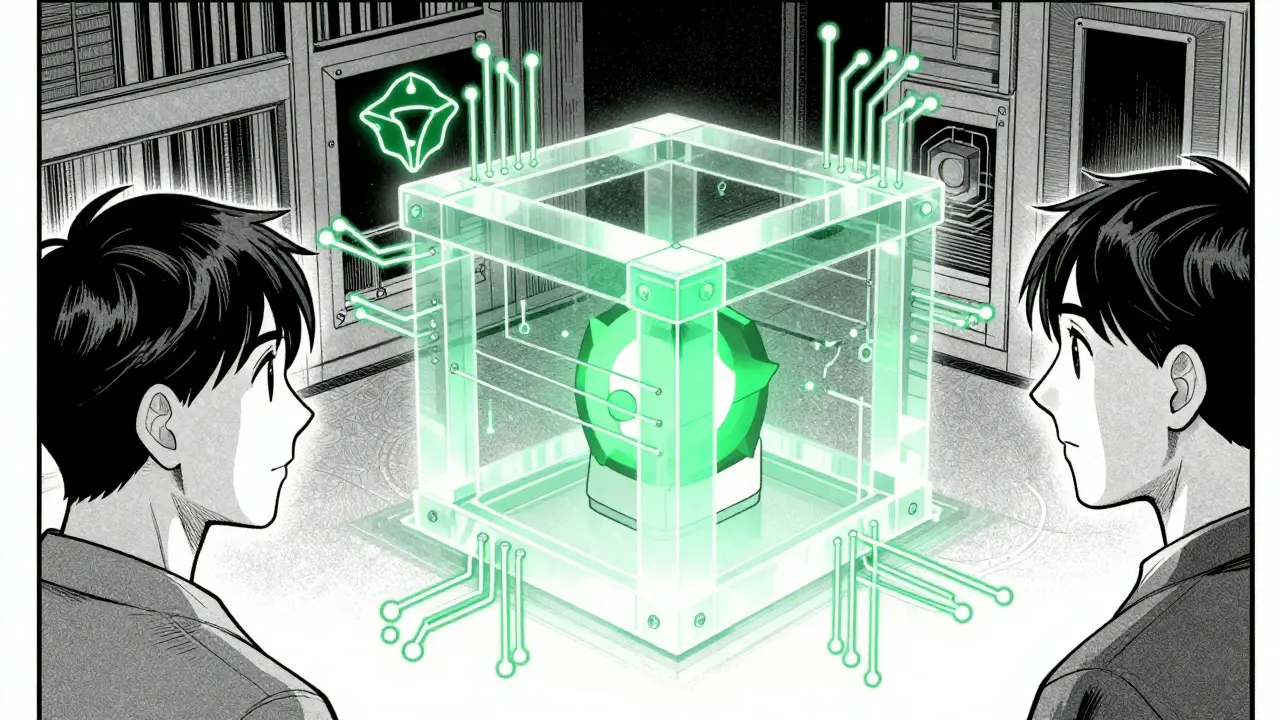
To understand why someone would participate in this airdrop, we need to look at what Smartlink actually does. It isn’t just another meme coin with no utility. The project focuses on decentralized escrow services, which act as a neutral third party in transactions.
In traditional e-commerce, platforms like PayPal hold money until both buyer and seller agree the deal is done. Smartlink attempts to replicate this trust layer on the blockchain. Here is how the ecosystem is structured:
- Smartlink Escrow Service: Supports C2C (consumer-to-consumer), B2C (business-to-consumer), and B2B (business-to-business) transactions. Funds are locked in smart contracts until conditions are met.
- Payment Processing: A decentralized portal allowing instant settlements using various digital currencies.
- Milestone Management: For larger business deals, payments can be released in stages as work is completed.
- Decentralized Marketplace: A space for listing products and services directly within the Smartlink environment.
The choice of the Tezos Blockchain was critical here. Tezos is known for its self-amending protocol, low transaction fees, and energy efficiency compared to older networks like Bitcoin or Ethereum. For a payment-focused application, high gas fees can kill user adoption. By building on Tezos, Smartlink aimed to keep costs low enough for micro-transactions and everyday use.
Current Status of SMAK Token in 2026
This is where the story takes a turn. While the technology sounded promising in 2021, the market reality for SMAK has been harsh. If you are holding SMAK from that original airdrop, or considering buying it now based on nostalgia, you need to look at the hard numbers.
| Metric | Value / Status | Context |
|---|---|---|
| Price Range (2025) | $0.000113 - $0.000137 | Significant decline from previous years |
| Year-over-Year Change | -94.59% | Dropped from ~$0.0024 in 2024 |
| 24-Hour Volume | $0.00 | Indicates extremely low liquidity |
| Primary Exchange | Gate.io | Limited availability on major platforms |
| Circulating Supply | ~305.49 Million | Self-reported by project team |
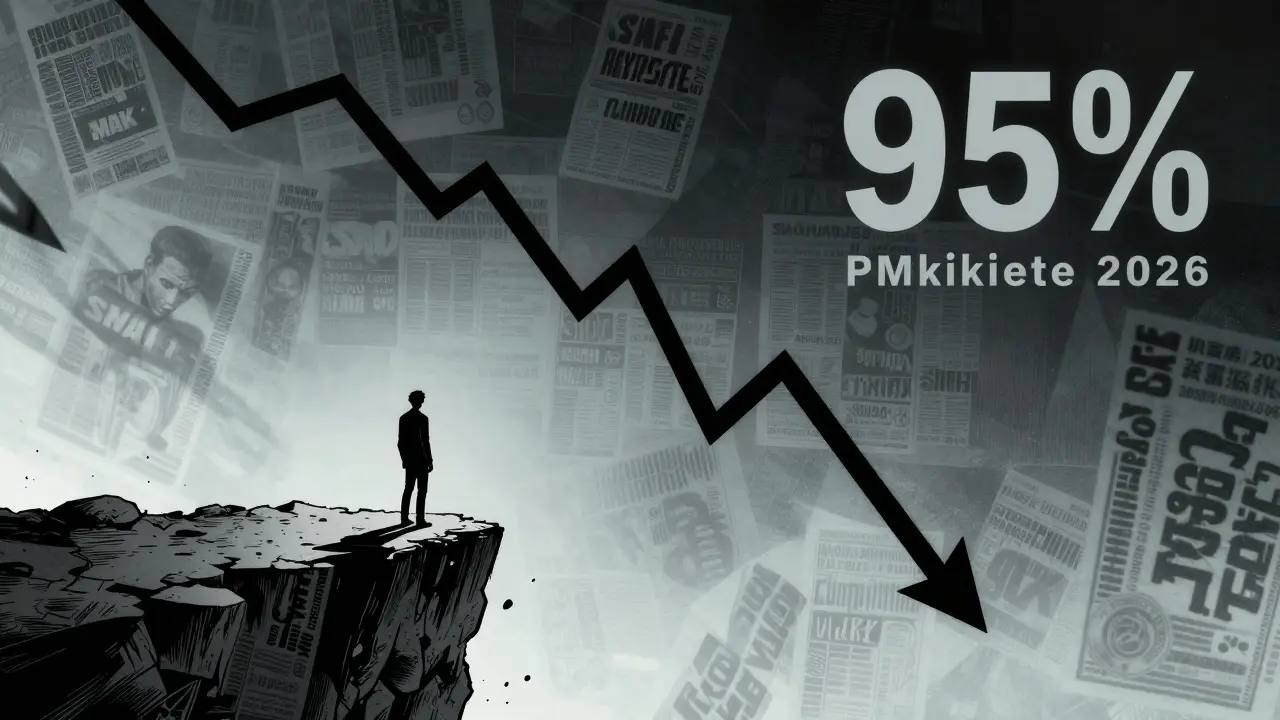
The price action tells a difficult story. A drop of nearly 95% in a single year is severe. More concerning is the trading volume. When the 24-hour volume hits zero, it means very few people are actively buying or selling the asset. This lack of liquidity makes it risky for anyone trying to exit a position, as even small sell orders could crash the price further.
There is also confusion regarding the supply. Some sources list the circulating supply at over 300 million tokens, while others show zero. This discrepancy often points to reporting errors or inactive tokenomics, which adds another layer of risk for potential investors.
Why Did the Project Struggle?
It is easy to criticize in hindsight, but several factors contributed to SMAK's current position. First, the decentralized escrow market is crowded. Competitors emerged with better funding, stronger developer communities, and more polished user interfaces.
Second, user acquisition in Web3 is notoriously difficult. Building a product is one thing; getting regular people to use a decentralized escrow service instead of familiar centralized options is another. Despite the technical advantages of Tezos, the network effect favors established players.
Finally, the broader crypto market shifted. After the bull run of 2021, many projects that relied heavily on marketing rather than deep product-market fit saw their valuations correct sharply. The SMAK airdrop successfully created initial exposure, but exposure alone does not guarantee long-term retention or growth.
Lessons for Modern Crypto Investors
Looking back at the SMAK X CoinMarketCap campaign offers valuable lessons for anyone participating in today’s airdrops or investing in new DeFi protocols.
- Utility Must Be Proven: A cool idea like decentralized escrow needs real-world usage. Check if the platform has active transactions, not just whitepaper promises.
- Liquidity Matters: Always check the trading volume. If you cannot easily sell your tokens, the paper gains mean nothing.
- Platform Choice Is Key: Being built on a scalable chain like Tezos helps, but it doesn't solve adoption challenges on its own.
- Beware of Hype Cycles: Marketing campaigns can drive short-term interest, but sustainable value comes from consistent development and community engagement.
If you are exploring similar opportunities today, focus on projects with transparent roadmaps, active GitHub repositories, and verifiable user metrics. Don't let a nostalgic name or a past partnership distract you from current fundamentals.
Can I still claim the SMAK CoinMarketCap airdrop in 2026?
No, the SMAK X CoinMarketCap campaign ended on September 23, 2021. There is no ongoing mechanism to claim tokens from this specific event. Any site claiming otherwise is likely fraudulent.
What is the current price of SMAK token?
As of recent data in 2025-2026, SMAK trades between $0.000113 and $0.000137. However, trading volume is extremely low, indicating limited market activity.
Is Smartlink still an active project?
While the Smartlink platform exists on the Tezos blockchain, its market presence has significantly diminished. Limited exchange listings and low trading volumes suggest reduced operational activity compared to its launch in 2021.
Which blockchain is SMAK built on?
SMAK is built on the Tezos blockchain. This choice was made to leverage Tezos's low transaction fees and scalability features for its decentralized escrow services.
Where can I buy or sell SMAK tokens?
SMAK is primarily listed on Gate.io. Due to low liquidity, executing large trades may be difficult. Always verify current listings on reliable data aggregators before attempting transactions.