

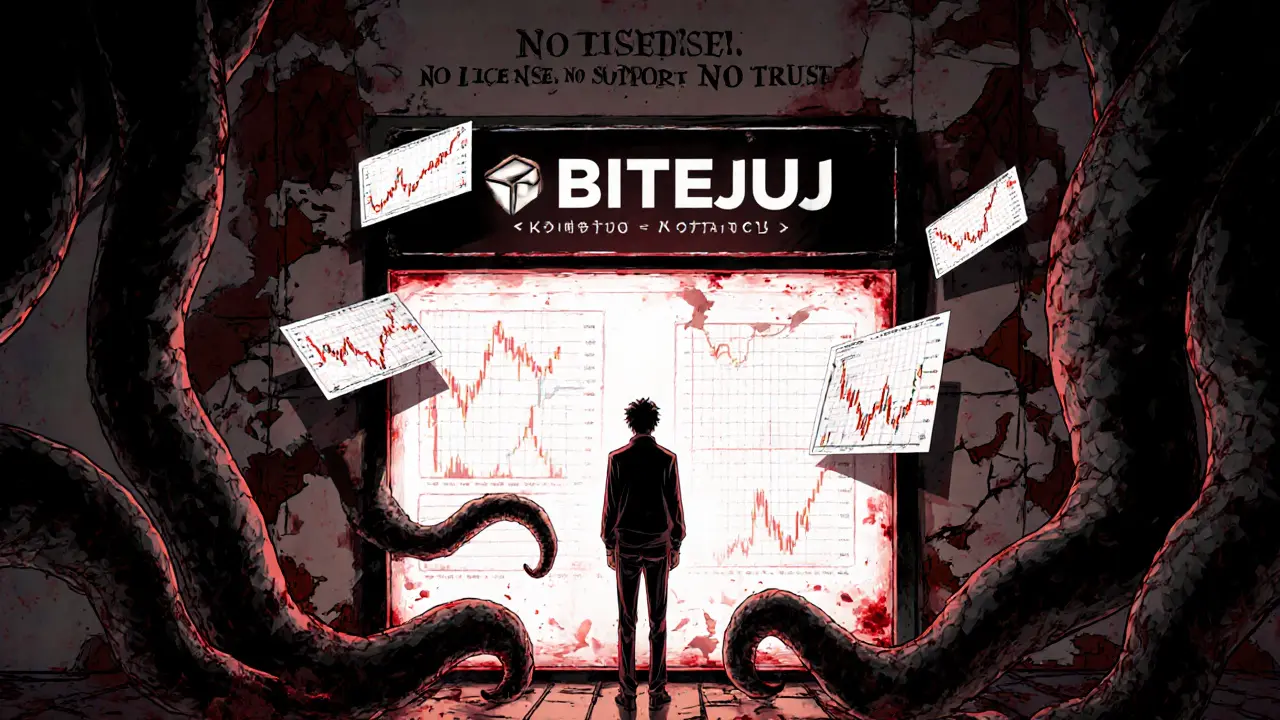
There’s no such thing as OnBlock Exchange - at least not as a real, functioning cryptocurrency trading platform. If you’ve come across a website or ad claiming to be OnBlock Exchange, you’re likely looking at a fraud. This isn’t a case of a new startup flying under the radar. It’s not even a poorly reviewed exchange. It’s a ghost. No credible source, no regulatory body, no user forum, no blockchain explorer, and no financial record ties this name to anything real.
Think about it: major crypto platforms like Binance, Kraken, Coinbase, and OKX are mentioned in every industry report, every news article, every user review site. They’re tracked by CoinGecko, CoinMarketCap, and regulatory agencies worldwide. OnBlock Exchange? It doesn’t show up anywhere. Not in Coin Bureau’s 2025 exchange rankings. Not in Koinly’s fee comparisons. Not in Kraken’s educational guides. Not even in scam databases from CryptoLegal UK or TechForing’s fraud alerts - until you dig deep enough to find it listed as a known imposter.
Here’s how these fake exchanges work. They copy the branding of real platforms - clean interfaces, professional logos, fake “verified” badges. They promise low fees, high yields, or exclusive access to new tokens. Then they lure you in with a simple message: “Deposit $500, get $100 free.” It sounds too good to be true? That’s because it is. Once you send your crypto, the site vanishes. No customer support. No withdrawal options. No response to emails. Just silence.
One of the biggest red flags? No regulatory license. Real exchanges are registered with authorities like the FCA in the UK, FinCEN in the US, or the FMA in New Zealand. OnBlock Exchange has no registration number, no public compliance team, and no legal address. You can’t verify its existence because it doesn’t exist.
Another warning sign: no public team. Every legitimate exchange lists its founders, CTOs, security leads, and compliance officers. LinkedIn profiles, press releases, interviews - they’re all there. OnBlock? Zero. No names. No history. No track record. Just a website with stock photos of smiling people in front of monitors.
And here’s the cruel twist: these scams often target people who are new to crypto. They use YouTube ads, TikTok influencers, and Facebook groups to spread fake testimonials. “I made 300% in 2 weeks on OnBlock!” says a profile with 12 followers and no posts. The video? Edited. The wallet address? Controlled by the scammers. The money? Gone.
Real crypto exchanges don’t need to hide. They compete on security, liquidity, and customer service. They publish audit reports. They run bug bounty programs. They have transparent fee structures. OnBlock does none of this. Because it’s not a business - it’s a trap.
If you’ve already sent funds to OnBlock Exchange, act fast. Stop all communication. Don’t pay any “recovery fees.” Those are just another layer of the scam. Report it to your local financial authority. In New Zealand, that’s the Financial Markets Authority. In the US, file with the FTC. In the EU, contact your national consumer protection agency. Share your story on Reddit’s r/CryptoScams or the Crypto Fraud Report forum. The more people know, the harder it is for these scammers to find new victims.
So what should you use instead? Stick to exchanges with proven records. Coinbase has over 110 million users and is regulated in over 100 countries. Kraken is audited annually and holds licenses in the US, Canada, and Europe. Binance operates in multiple jurisdictions and has a $1 billion Secure Asset Fund for Users (SAFU). These platforms don’t need to make wild promises. Their reputation speaks for itself.
Here’s how to protect yourself:
- Always check if the exchange is listed on CoinGecko or CoinMarketCap.
- Search for the exchange’s name + “scam” or “review” - if the first page is full of warnings, walk away.
- Verify regulatory status. If they don’t say where they’re licensed, they’re not.
- Never trust unsolicited DMs or ads promising “guaranteed returns.”
- Use a hardware wallet for long-term storage. Never keep large amounts on any exchange.
There’s a reason the crypto world doesn’t have hundreds of exchanges. Because most of them are fake. The real ones don’t need to shout. They just work.








Sharon Tuck
March 9, 2026 AT 13:08Jennifer Pilot
March 9, 2026 AT 16:15Sherry Kirkham
March 10, 2026 AT 17:26Nash Tree Service
March 11, 2026 AT 18:46Julie Potter
March 12, 2026 AT 04:25nalini jeyapalan
March 14, 2026 AT 03:11Drago Fila
March 14, 2026 AT 07:57prasanna tripathy
March 15, 2026 AT 19:19Jonathan Chretien
March 16, 2026 AT 01:04Jackson Dambz
March 16, 2026 AT 22:02Megan Lutz
March 18, 2026 AT 06:35Jesse VanDerPol
March 20, 2026 AT 00:45jonathan swift
March 21, 2026 AT 18:44Datta Yadav
March 22, 2026 AT 22:50Lydia Meier
March 23, 2026 AT 18:02jay baravkar
March 23, 2026 AT 18:52Ian Thomas
March 25, 2026 AT 05:40Austin King
March 25, 2026 AT 14:42Bryanna Barnett
March 27, 2026 AT 02:03Bonnie Jenkins-Hodges
March 27, 2026 AT 06:30