You’ve probably seen it pop up in your feed or heard about it in a Telegram group: PAYU, touted as the "Platform of Meme Coins". The promise sounds too good to be true-a dedicated ecosystem for meme coins that promises high returns and community-driven governance. But here’s the hard truth you need to hear right now: There is no legitimate, established cryptocurrency project known as 'Platform of Meme Coins (PAYU)' with any verifiable track record, official whitepaper, or presence on major tracking platforms like CoinGecko or CoinMarketCap.
In the world of crypto, if a project doesn’t exist on the big data aggregators, it’s either brand new, completely obscure, or-more likely-a scam designed to drain your wallet. Given the current landscape in May 2026, where regulatory scrutiny is tighter than ever, falling for an unverified token like PAYU can cost you everything. This article isn’t just about defining what PAYU *claims* to be; it’s about helping you recognize the red flags before you lose money.
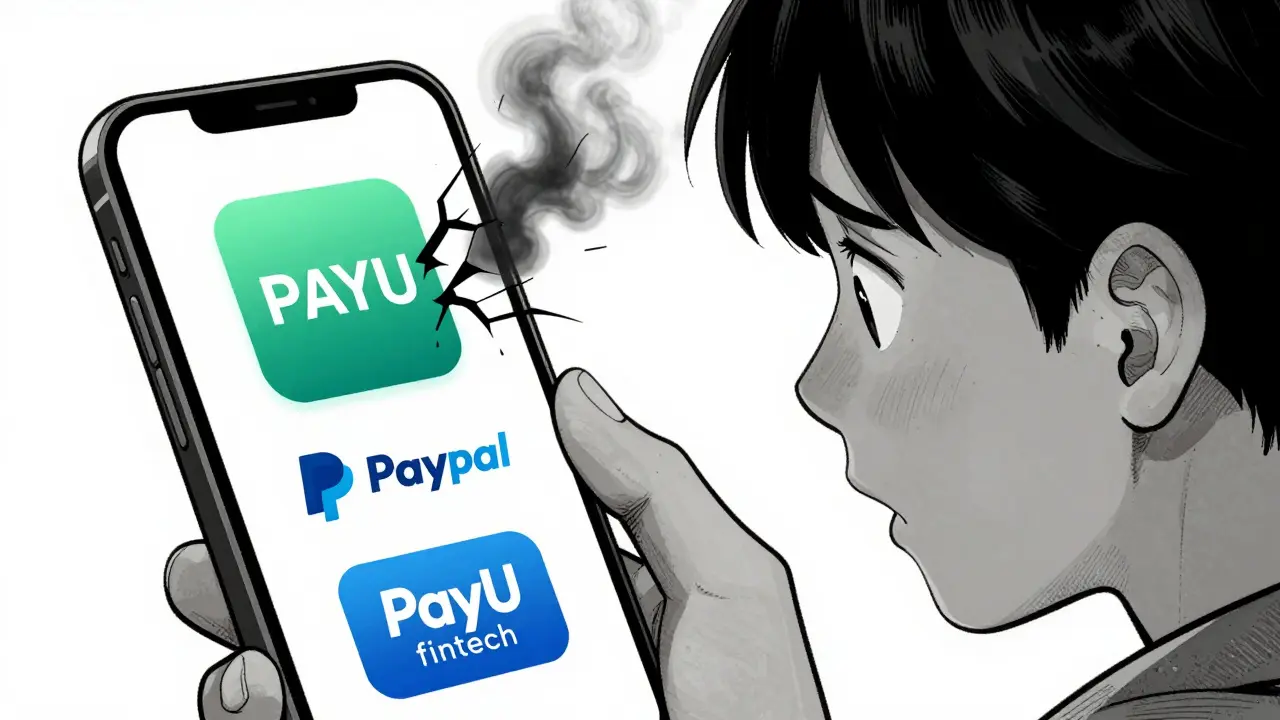
The Confusion: PAYU vs. PYUSD vs. PayU
One of the biggest tricks used by scammers is name confusion. They pick names that sound similar to trusted brands or existing tokens to trick you into clicking a malicious link. Let’s clear up the mess because mixing these up could lead to serious financial loss.
| Name/Ticker | Type | Legitimacy & Status | Risk Level |
|---|---|---|---|
| PAYU (Meme Coin) | Unverified Token | No official records, no whitepaper, not listed on major exchanges. | Extreme (Scam/Rug Pull) |
| PYUSD | Stablecoin | Issued by PayPal and Paxos. Fully regulated, backed by cash reserves. | Low (Regulated) |
| PayU | Fintech Company | A Polish payment processing service. Not a cryptocurrency. | N/A (Traditional Finance) |
If you are looking for PayPal USD (PYUSD), that is a stablecoin pegged to the US dollar, issued by PayPal. It is safe, regulated, and has nothing to do with meme coins. If you are looking for PayU, that is a payment gateway company based in Poland. Neither of these is the "PAYU" meme coin platform being promoted online. The fact that this specific "PAYU" meme coin lacks any footprint on reputable sources suggests it is a hollow shell created solely to collect funds from unsuspecting investors.
Why "Platform of Meme Coins" Is a Red Flag
The phrase "Platform of Meme Coins" itself is a marketing buzzword designed to sound technical without meaning anything concrete. In legitimate crypto projects, you have clear utilities: DeFi protocols offer lending, NFT platforms offer minting, and Layer-1 blockchains offer smart contract execution. A "platform for meme coins" is often a vague way of saying "a token that hopes to ride the hype of other meme coins."
Here is how these scams typically operate:
- The Pump-and-Dump: Anonymous creators buy up most of the supply at a low cost. They use bots to create fake social media accounts to hype the token. When real people start buying, the price goes up artificially. The creators then sell all their tokens, crashing the price to zero.
- Honeypot Contracts: You can buy the token, but you cannot sell it. The smart contract code is written to block outgoing transactions except for the creator’s wallet. This is common in unverified meme coins.
- Phishing Links: The website for "PAYU" may look professional, but it might ask you to connect your wallet to sign a transaction that actually grants them permission to drain your entire balance.
Without a verified smart contract on a blockchain explorer like Etherscan or Solscan, you have no proof that the token exists or that it is fair. In May 2026, tools like Etherscan and Solscan provide immediate warnings if a contract is flagged as risky. If you don’t see a verified contract, walk away.
How to Verify Any Crypto Project Yourself
You don’t need to be a developer to spot a fake project. You just need to follow a simple checklist. Before you send even one dollar to any token claiming to be PAYU or similar, run through these steps.
- Check CoinGecko and CoinMarketCap: If the token isn’t listed here, it is extremely high-risk. These platforms require significant due diligence before listing a token. Absence from these sites is a massive warning sign.
- Find the Whitepaper: Legitimate projects publish detailed technical documents explaining their technology, team, and roadmap. If the only information available is a flashy website with promises of "100x gains," it is a scam.
- Identify the Team: Who is behind the project? Are they anonymous? Do they have LinkedIn profiles? In the post-FTX era of 2026, anonymity is rarely accepted for anything other than experimental privacy coins. If the team is hidden, they have nothing to lose when they rug pull.
- Analyze Liquidity: Look at the liquidity pool on decentralized exchanges like Uniswap or Raydium. Is the liquidity locked? If the liquidity is not locked, the creators can withdraw all the funds at any time, leaving you with worthless tokens.
For a token like PAYU, which has no presence on these platforms, the answer to every question above is "no." There is no whitepaper, no team, and no locked liquidity because there is no real project.
The Psychology Behind Meme Coin Scams
Why do people fall for these traps? It’s not just greed; it’s fear of missing out (FOMO). Social media algorithms are designed to show you content that triggers emotional responses. When you see others posting screenshots of huge profits from a "new platform," your brain wants to join in. Scammers exploit this by creating artificial communities.
In Telegram groups or Discord servers, you might see hundreds of messages praising PAYU. But many of these are bots. Real human engagement involves questions, criticism, and discussion. Fake communities consist only of praise and emojis. If you join a chat for PAYU and everyone seems to agree instantly without asking any technical questions, you are talking to bots.
Remember, the people promoting this token make money when you buy. They earn referral fees or hold large bags of the token. Their incentive is to get you to click "Buy" as quickly as possible. They do not care if you can ever sell.
Safe Alternatives in the Meme Coin Space
If you are interested in meme coins, you don’t need to risk your savings on unknown entities like PAYU. The market has matured since the early days of Dogecoin. Established meme coins like Dogecoin (DOGE), Shiba Inu (SHIB), and Pepe (PEPE) have significant liquidity, wide exchange support, and active communities. While they are still volatile, they are not likely to disappear overnight because someone stole the liquidity.
Even better, consider exploring actual utility projects in the meme sector. Some newer projects combine meme culture with genuine utility, such as NFT integration, gaming ecosystems, or charitable donations. Look for projects that have:
- Public audits from firms like CertiK or Hacken.
- Doxxed teams with public identities.
- Listings on centralized exchanges like Binance or Coinbase.
These markers provide a layer of security that a random "PAYU" token simply cannot offer.

What To Do If You Already Bought PAYU
If you have already purchased tokens labeled as PAYU, act immediately. First, check if you can sell. Try to swap a small amount on a decentralized exchange. If the transaction fails or requires an unusually high gas fee, you may be in a honeypot.
If you can sell, exit immediately. Do not wait for the price to go up. In scam tokens, the price only goes up until the creators decide to dump their holdings. Once they start selling, the price will crash to near zero within minutes.
Disconnect your wallet from the site where you bought the tokens. Go to your wallet settings and revoke permissions. This prevents the malicious contract from draining any remaining assets from your wallet in the future.
Report the incident to local authorities and crypto-focused fraud reporting platforms. While recovering funds is difficult, reporting helps build a database of scam addresses that can be blacklisted by wallets and exchanges.
Protecting Your Crypto Portfolio in 2026
The crypto landscape in 2026 is more regulated than ever, but scammers are also more sophisticated. They use AI-generated images, deepfake videos of influencers, and cloned websites to trick users. Protecting yourself requires vigilance.
Use a hardware wallet like Ledger or Trezor for storing significant amounts of crypto. Never store long-term holdings on hot wallets connected to unverified dApps. Enable two-factor authentication (2FA) on all your exchange accounts, using an authenticator app rather than SMS.
Educate yourself on basic blockchain analysis. Learn to read transaction histories on explorers. If a wallet address associated with a project receives large amounts of tokens from a mixer or shows unusual patterns, it is a bad sign. Tools like Chainalysis and Elliptic are used by professionals, but free tools like BscScan or SolanaFM can give you enough insight to spot obvious red flags.
Finally, trust your instincts. If a deal feels too good to be true, it is. No legitimate platform offers guaranteed high returns with zero risk. If you are unsure, ask questions in reputable crypto communities, but beware of paid promoters. Independent verification is your best defense.
Is PAYU crypto a legitimate investment?
No. As of May 2026, there is no verifiable evidence that "Platform of Meme Coins (PAYU)" is a legitimate project. It lacks listings on major tracking sites, has no official whitepaper, and shows all signs of a potential scam or rug pull.
What is the difference between PAYU and PYUSD?
PYUSD is a regulated stablecoin issued by PayPal, pegged to the US dollar. PAYU is an unverified token with no backing, no regulation, and no legitimate utility. They are completely unrelated, and the similar names are likely used to confuse investors.
How can I tell if a meme coin is a scam?
Look for red flags such as anonymous teams, absence from CoinGecko/CoinMarketCap, unlocked liquidity, and overly aggressive marketing. Always verify the smart contract on a blockchain explorer and check for audits from reputable firms.
Can I recover my money if I invested in PAYU?
Recovery is extremely unlikely if the project is a scam. Cryptocurrency transactions are irreversible. If you suspect fraud, report it to local authorities and revoke wallet permissions immediately to prevent further loss.
Where should I buy legitimate meme coins?
Only buy meme coins on reputable centralized exchanges like Binance, Coinbase, or Kraken, or via verified decentralized exchanges like Uniswap or Raydium. Always double-check the contract address and ensure the token is listed on major tracking platforms.