You’ve likely seen the buzz around NFTP, the token associated with NFT Token Pilot. The promise of free tokens is always tempting in the crypto world, but it comes with a critical warning: there is currently no verified official information or credible documentation confirming an active, legitimate airdrop for NFTP by NFT Token Pilot. In fact, many projects using similar names are often scams designed to steal your wallet credentials. Before you click any link or connect your wallet, you need to understand exactly what this project claims to be, how real airdrops work, and why caution is your best strategy right now.
The Reality of the NFTP Project Claims
To navigate this safely, we first need to separate marketing hype from verifiable facts. NFT Token Pilot is described by its proponents as a platform aiming to bridge non-fungible tokens (NFTs) with traditional financial instruments. They claim their goal is to make digital assets more accessible and liquid. However, when you dig into the specifics, the picture becomes blurry.
There is no whitepaper hosted on a reputable domain, no audited smart contract code on platforms like Etherscan or BscScan, and no announcements from major cryptocurrency exchanges listing NFTP. Legitimate projects do not operate in the shadows. If a project cannot provide clear, public, and verifiable technical documentation, it is a massive red flag. The term "NFTP" itself is generic and has been used by various unofficial groups, making it easy for scammers to impersonate the brand.
Remember that NFTs, or Non-Fungible Tokens, represent unique ownership of digital items. They are not inherently tied to a specific utility token unless explicitly defined by the project’s smart contract. Without a clear definition of what the NFTP token actually *does*-whether it grants governance rights, pays for fees, or offers staking rewards-the value proposition is empty.
How Real Crypto Airdrops Work
Understanding how legitimate airdrops function will help you spot fakes instantly. An crypto airdrop is a marketing distribution method where a project sends free tokens to eligible wallets. This is done to build community awareness and decentralize token ownership.
Here is what a legitimate process looks like:
- Official Announcement: The project announces the airdrop on their verified Twitter (X), Discord, and official website. Check for blue checkmarks and long-standing account histories.
- Clear Eligibility Criteria: You might need to hold a certain NFT, interact with a dApp, or join a community early. These criteria are publicly documented.
- No Upfront Fees: Legitimate airdrops never ask you to pay gas fees to "claim" tokens unless you are interacting with a mainnet contract yourself. They certainly never ask for your private keys or seed phrase.
- Smart Contract Verification: The token contract address is published and can be verified on blockchain explorers.
If an "NFTP airdrop" asks you to send ETH to a wallet to "verify" your identity or requires you to sign a suspicious transaction that drains your funds, it is a scam. Period.
Red Flags Specific to NFT Token Pilot
When evaluating NFT Token Pilot, several warning signs stand out. First, look at the team. Is there a doxxed (publicly identified) team behind the project? Anonymous teams are common in crypto, but combined with vague promises and lack of technical docs, they become high-risk.
Second, check the social media presence. Are the followers real people engaging in meaningful discussion, or are they bots posting generic "to the moon" comments? Scammers often buy fake engagement to create a false sense of popularity. Third, examine the website. Does it use HTTPS? Is the domain recent? Many scam sites register domains just days before launching a fake airdrop campaign.
Furthermore, search for "NFT Token Pilot scam" or "NFTP rug pull" on forums like Reddit or Bitcointalk. If users report losing funds or receiving spam tokens that have zero value, you have your answer. Spam tokens are worthless ERC-20 tokens sent to thousands of wallets to trick users into thinking they received a valuable airdrop. Do not try to sell them; they cost nothing and drain your time.
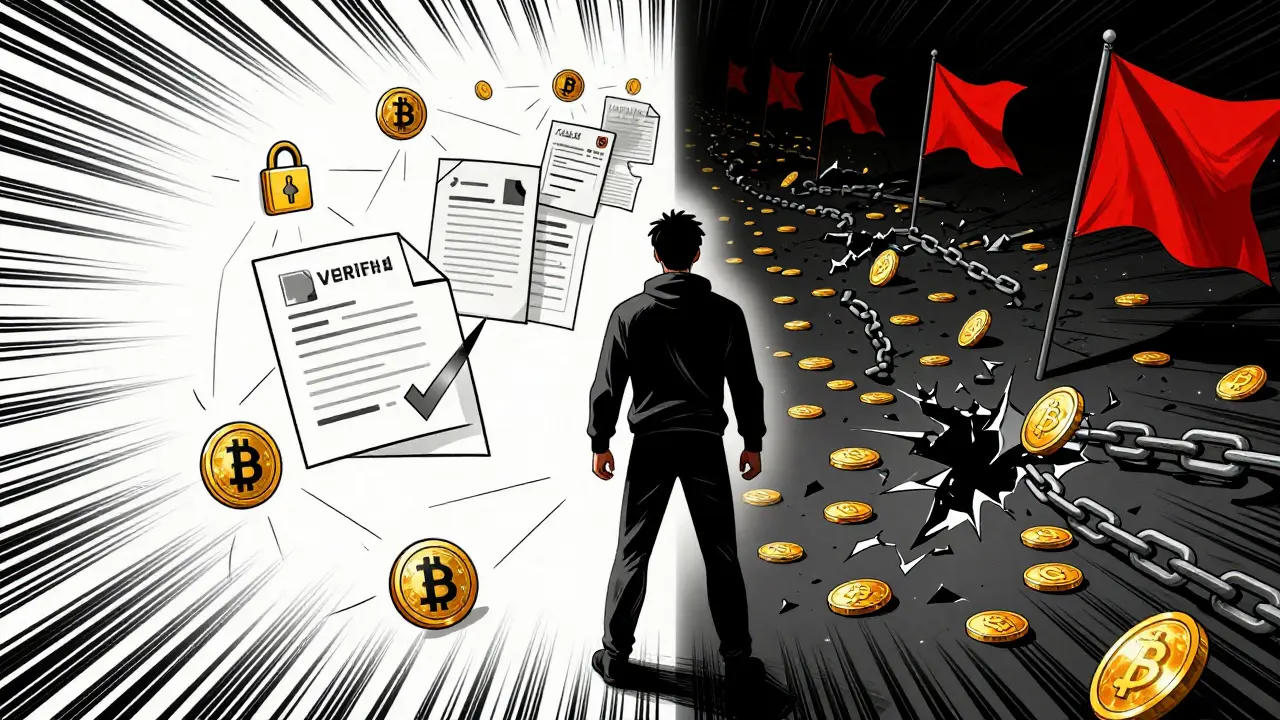
Safety Checklist Before Claiming Any Airdrop
Your security should always come before potential gains. Use this checklist before interacting with any project claiming to offer NFTP tokens:
- Verify the Source: Go directly to the project’s official website. Do not click links from Telegram DMs, random emails, or unverified social media posts.
- Use a Burner Wallet: Never connect your main wallet holding significant assets to unverified dApps. Use a separate wallet with minimal funds for testing.
- Check the Contract Address: Compare the contract address provided with those listed on trusted aggregator sites like CoinMarketCap or CoinGecko. If it’s not listed, proceed with extreme caution.
- Review Transaction Permissions: When signing a transaction, read every line. If it asks for unlimited approval of your entire balance, revoke it immediately.
- Ignore Private Key Requests: No legitimate service will ever ask for your 12-24 word seed phrase or private key. Anyone asking for this is trying to steal your funds.
Tools like Revoke.cash can help you manage and revoke permissions granted to suspicious contracts. Keeping your tools updated and your software patched is part of basic hygiene in Web3.
Alternatives: Safe Ways to Earn NFTs and Tokens
If you are looking to get involved in the NFT space without risking your capital on unverified airdrops, consider these safer alternatives:
| Method | Risk Level | Potential Reward | Effort Required |
|---|---|---|---|
| Earn through Established Platforms (e.g., Coinbase Earn, Binance Learn) |
Low | Small amounts of verified tokens | Low (watch videos, answer quizzes) |
| Participate in Testnets (e.g., LayerZero, zkSync) |
Medium | Potential future airdrops from reputable projects | High (technical interaction required) |
| Create Your Own NFTs (on OpenSea, Rarible) |
Low | Ownership of unique art, potential sales | Medium (creation and marketing) |
| Staking Blue-Chip Assets (e.g., Ethereum, Solana) |
Low-Medium | Yield on existing holdings | Low |
Projects like Ethereum and Solana have established ecosystems where developers and users can participate in testnets or governance with known risks. These networks have large communities and transparent roadmaps. Engaging with these ecosystems provides exposure to new technologies without the immediate threat of total loss from a rug pull.

Understanding Tokenomics: Why It Matters
Even if NFTP were a legitimate project, you must evaluate its tokenomics. Tokenomics refers to the economic structure of a token. Key questions include:
- Total Supply: How many tokens exist? Infinite supply leads to inflation and dilution of value.
- Distribution: Who holds the majority? If the team holds 50%+, they can dump tokens on the market, crashing the price.
- Utility: What is the token used for? Without utility, demand relies solely on speculation.
- Vesting Schedule: Are team and investor tokens locked? Vesting prevents immediate dumping after launch.
Without access to NFTP’s tokenomics, you are flying blind. Always demand transparency. If a project hides these details, they likely have something to hide.
Community Sentiment and Due Diligence
In the absence of official data, community sentiment is your next best indicator. Join Discord servers and Telegram groups, but observe quietly. Look for genuine questions and answers, not just hype. Ask experienced members about their experiences. If moderators delete negative comments or ban users who ask hard questions, leave immediately.
Also, check if the project has partnerships with known entities. Fake logos are common. Verify partnership claims by checking the partner’s official website or social media. If Company X claims to partner with NFT Token Pilot, does Company X mention it? If not, the claim is likely false.
Is the NFTP airdrop by NFT Token Pilot real?
As of May 2026, there is no verified evidence of a legitimate NFTP airdrop by NFT Token Pilot. Most online references appear to be spam or potential scams. Always verify information through official channels and independent security audits before participating.
What should I do if I received NFTP tokens in my wallet?
If you see NFTP tokens in your wallet without requesting them, ignore them. These are likely spam tokens with no value. Do not attempt to swap or sell them, as this may require signing transactions that compromise your wallet security. Simply filter them out in your wallet interface.
How can I identify a fake airdrop?
Fake airdrops often ask for upfront payments, request private keys, or direct you to unverified websites. They lack clear eligibility criteria, official announcements, and smart contract verification. Always cross-reference information with trusted sources like CoinMarketCap or official project documentation.
Are there safe ways to earn NFT-related tokens?
Yes. Participating in educational programs on major exchanges (like Coinbase Earn), interacting with testnets of reputable protocols (like Ethereum or Solana), and creating your own NFTs on established marketplaces are safer alternatives. These methods carry lower risk and offer learning opportunities.
What is NFT Token Pilot supposed to be?
NFT Token Pilot claims to be a platform bridging NFTs with traditional finance. However, due to the lack of transparent documentation, audited code, and verifiable team information, its legitimacy remains highly questionable. Proceed with extreme caution.