Quick Summary / Key Takeaways
- Glimpse (GLMS) currently lacks verified public data regarding an official IDO or airdrop; treat all unsolicited claims with extreme caution.
- Crypto scams often mimic legitimate Initial DEX Offerings (IDOs) using fake websites and social media bots to steal funds.
- To participate safely in any new token launch, verify the project’s presence on established platforms like CoinMarketCap, CoinGecko, and official launchpads such as Polkastarter or DAO Maker.
- Never connect your wallet to unknown links. Use a burner wallet for testing and always revoke permissions after interacting with new contracts.
- This guide provides a step-by-step framework for validating any "Glimpse" opportunity before you risk a single dollar.
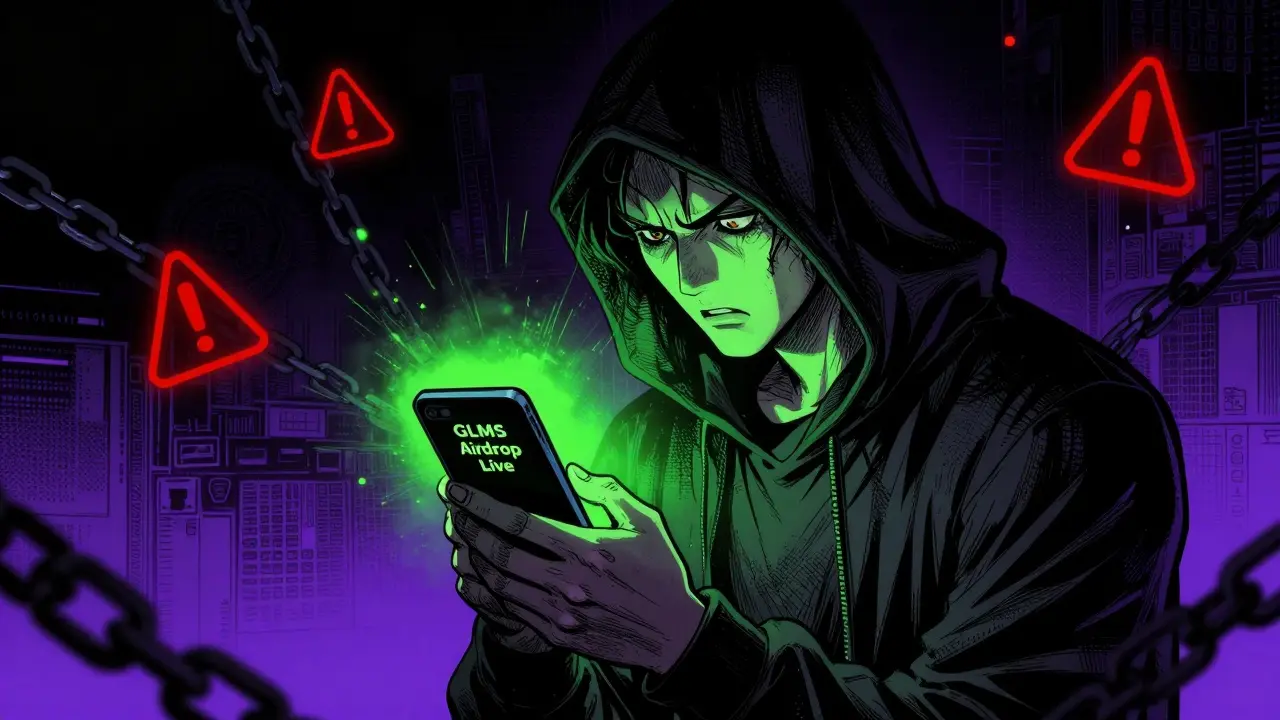
You’ve probably seen the notifications popping up in your DMs or flashed across Twitter: "Glimpse (GLMS) IDO is live! Claim your free tokens now!" It sounds too good to be true, doesn’t it? In the world of cryptocurrency, if it sounds easy, it’s usually a trap. As of mid-2026, there is no widely recognized, verified project called "Glimpse" issuing a major Initial DEX Offering (IDO) or a legitimate airdrop on top-tier exchanges. This absence of credible data is a massive red flag that every investor needs to understand before clicking a link.
I’m Victoria, writing from Wellington, where we value transparency and hard facts over hype. When I look at the current landscape, I see a surge in copycat scams targeting eager users. They use names like "Glimpse" because it sounds futuristic and clean. But without a verifiable whitepaper, a known team, or a listing on trusted aggregators, this "opportunity" is likely a phishing attempt designed to drain your wallet. Let’s break down exactly how to spot these fakes and how to actually find legitimate opportunities so you don’t get burned.
What Is an IDO and Why Are Airdrops Risky?
Before we dive into the specifics of the "Glimpse" claim, let’s clarify what you’re supposed to be getting into. An Initial DEX Offering (IDO) is a fundraising method where startups launch their tokens on a decentralized exchange (DEX) rather than a traditional centralized exchange. It’s faster and more accessible than an ICO, but it comes with higher risks because there’s less regulatory oversight.
An Airdrop is a marketing strategy where projects distribute free tokens to wallet addresses to build community awareness. Legitimate airdrops require you to perform tasks like following social media accounts, joining Discord servers, or holding specific tokens. They never ask you to send money first. If a site asks you to pay a "gas fee" or "verification deposit" to claim your free tokens, it is a scam. Period.
The danger with unverified projects like the alleged GLMS token is that scammers create fake landing pages that look identical to real ones. They might even buy ads on crypto news sites. When you connect your wallet to "claim" your reward, they execute a malicious smart contract that drains your assets instead of sending you tokens. This isn’t theoretical; it happens thousands of times daily.
Verifying the Glimpse (GLMS) Project: The Red Flags
So, how do you know if this Glimpse thing is real? You check the evidence. Right now, the evidence is missing. Here is what a legitimate project looks like versus what you are likely seeing with this GLMS rumor.
| Feature | Legitimate Project (e.g., Polkastarter launches) | Suspicious "Glimpse" Claims |
|---|---|---|
| Token Tracker Listing | Listed on CoinMarketCap, CoinGecko, or DexTools with verified contract address | No trace on major trackers; only found via direct DM links |
| Team Identity | Public LinkedIn profiles, GitHub activity, and clear bios | Anonymous team or stock photos with no digital footprint |
| Launch Platform | Hosted on reputable launchpads like DAO Maker, BSCPad, or TrustPad | Hosted on a generic website with a domain registered recently (check Whois) |
| Airdrop Requirements | Social engagement, testnet usage, or holding existing tokens | Asks for private keys, seed phrases, or upfront payment for "taxes" |
| Community Presence | Active, organic discussions on Twitter and Discord with verified badges | Bots posting generic hype; comments disabled or filled with fake accounts |
If the "Glimpse" project you heard about fails even one of these checks, walk away. Most importantly, if you cannot find the token contract address on Etherscan or BscScan linked from an official source, do not interact with it. Scammers often register domains like "glimpse-airdrop.com" or "glms-token-official.net" just days before launching their attack. Always cross-reference the URL with the project’s verified Twitter bio.
How to Spot a Fake Airdrop Website
Let’s talk tactics. How do these scammers trick people? They rely on urgency and greed. The website will likely have a countdown timer ticking down to zero. It will promise massive returns, like "100x gains" or "Early bird bonus." Real projects don’t need to scream about profits; they focus on technology and utility.
Look closely at the URL. Does it use HTTPS? Good, but that’s not enough. Scammers can get SSL certificates easily. Check the domain age. You can use tools like Whois.com. If the domain was created last week, but the project claims to have been in development for two years, it’s a lie. Also, check the design. Many scam sites are templates bought online. They often have broken links, poor grammar, or low-resolution images. A professional team hires professional designers. If it looks cheap, it is cheap.
Another huge giveaway is the connection request. When you click "Connect Wallet," does it ask for permission to spend unlimited tokens? A legitimate airdrop page might ask for read-only access to check your eligibility. It should never ask for approval to transfer funds unless you are actively buying something. If you see a prompt asking to approve a transaction for $0.00 but it feels off, cancel it. Use a tool like Revoke.cash to audit your wallet permissions regularly.
Safe Steps to Participate in Legitimate IDOs
Just because this specific "Glimpse" alert is suspicious doesn’t mean you should stop participating in crypto launches entirely. There are plenty of real opportunities. Here is how to do it safely, step by step.
- Stick to Reputable Launchpads: Only participate in IDOs hosted by established platforms. Names like Polkastarter, DAO Maker, BSCPad, and TrustPad have due diligence teams. They vet projects before allowing them to list. If a project isn’t on one of these, it’s high risk.
- Verify the Contract Address: Never copy-paste a contract address from a tweet or a DM. Go to the project’s official website (linked from their verified Twitter) and find the address there. Then, paste it into Etherscan to check the holder distribution. If one wallet holds 50% of the supply, it’s a rug pull waiting to happen.
- Use a Burner Wallet: Don’t use your main wallet where you keep your life savings. Create a separate wallet, like a new MetaMask profile, with only the funds you are willing to lose. Connect this burner wallet to new dApps. If it gets drained, your main assets remain safe.
- Check Liquidity Locking: For IDOs, ensure the liquidity pool is locked. This prevents developers from pulling all the funds out immediately after launch. Tools like Unicrypt or PinkSale show lock status. If liquidity isn’t locked, avoid it.
- Read the Whitepaper: It might sound boring, but skim it. Does it explain what the token does? If the whitepaper is full of buzzwords like "AI-powered blockchain synergy" without technical details, run. Real projects explain their tech stack, tokenomics, and roadmap clearly.
Understanding Tokenomics: What Makes a Token Valuable?
Even if a project passes the safety checks, you need to understand its economics. Tokenomics refers to the economic structure of the token. For a token like GLMS (if it were real), you’d want to see a fair distribution. Ideally, no single entity should hold more than 10-15% of the total supply. Large allocations to the team should be vested, meaning they can’t sell their tokens all at once. This protects early investors from sudden price crashes.
Also, look at the utility. Why does the token exist? Is it used for governance, staking rewards, or paying for services within the ecosystem? Tokens with no utility are just speculative bets. In 2026, the market is maturing. Investors are looking for projects with real revenue models, not just meme potential. Ask yourself: "If the price drops 90%, will anyone still use this token?" If the answer is no, it’s not an investment; it’s gambling.

Common Scams Targeting Airdrop Hunters
Let’s get specific about the threats. Beyond the fake website, there are other tricks.
- The "Tax" Scam: You enter your wallet address to claim tokens. The site says, "Please send 0.01 ETH to cover network fees." Legitimate airdrops are free. You never send money to receive money. This is the most common beginner trap.
- Phishing Links: Scammers send DMs saying, "Hey, did you get your Glimpse allocation? Click here." These links lead to fake login pages for MetaMask or Coinbase. They steal your seed phrase. Never click links in DMs. Always navigate to sites manually.
- Fake Social Media Accounts: Look for the blue checkmark. But even that isn’t foolproof, as scammers can spoof profiles. Check the follower count and engagement. A real project with 100k followers will have hundreds of replies per tweet. A fake one might have 100k followers but zero likes. Those followers are bots.
- Malicious Browser Extensions: Some scams ask you to install a browser extension to "connect" to the airdrop. Never do this. Extensions can monitor your browsing history and steal cookies. Stick to standard wallet connections.
What to Do If You Already Connected Your Wallet
Panic helps no one. If you clicked a link and connected your wallet to a suspicious "Glimpse" site, act fast. First, disconnect the wallet from that site. Then, go to Revoke.cash. Connect your wallet there. It will show you all the smart contracts you’ve given spending power to. Look for anything unfamiliar. Click "Revoke" next to those entries. This stops the contract from draining your funds in the future.
Next, move your remaining funds to a new wallet. Generate a new seed phrase on a fresh device if possible. Transfer your assets from the compromised wallet to the new one. Consider the old wallet compromised. Do not use it again. Monitor your transactions on Etherscan to see if any unauthorized transfers occurred. If funds were stolen, unfortunately, recovery is nearly impossible in crypto. Report the incident to local authorities, but manage your expectations.
Where to Find Real Opportunities in 2026
Instead of chasing rumors, follow the data. Aggregators like CoinMarketCap and CoinGecko have sections for "New Cryptocurrencies" and "Upcoming ICOs/IDOs." These lists are curated and verified. Follow reputable analysts on Twitter who provide due diligence reports, not just price predictions. Join communities around established ecosystems like Ethereum, Solana, or Polygon. Real projects announce themselves loudly on these channels.
Remember, the best time to research a project is long before it launches. By then, the hype has died down, and you can make a rational decision. Don’t FOMO (Fear Of Missing Out) into a deal because everyone else is talking about it. In crypto, the crowd is often wrong. Stay skeptical, stay safe, and keep your keys private.
Is the Glimpse (GLMS) airdrop legit?
As of July 2026, there is no verified information supporting a legitimate Glimpse (GLMS) IDO or airdrop. The lack of presence on major tracking platforms and reputable launchpads suggests it may be a scam. Always verify projects on CoinMarketCap or CoinGecko before participating.
How can I tell if a crypto airdrop is a scam?
Red flags include requests for upfront payments, private keys, or seed phrases. Other signs are newly registered domains, anonymous teams, and promises of guaranteed high returns. Legitimate airdrops are free and require only social engagement or testnet participation.
What should I do if I connected my wallet to a suspicious site?
Immediately disconnect your wallet and visit Revoke.cash to remove any approved spending permissions. Then, transfer your remaining funds to a new, secure wallet. Treat the original wallet as compromised and do not use it again.
Are IDOs safer than ICOs?
IDOs are generally faster and more transparent due to on-chain visibility, but they carry higher risks because they bypass some regulatory checks. Participating through reputable launchpads like Polkastarter or DAO Maker adds a layer of security through due diligence.
Do I need to pay gas fees for a legitimate airdrop?
You may need to pay small network gas fees to interact with the blockchain (like claiming tokens to your wallet), but you should never send tokens to a project address to "verify" your eligibility or unlock rewards. Any request for upfront payment is a scam.