
Digital Ownership Rights Calculator
What's Your Digital Ownership Situation?
This tool helps you understand what rights you really have when purchasing digital goods. By answering key questions about the license terms, you'll see what ownership rights you actually have.
Your Ownership Rights
Important: Digital ownership is often limited by license terms. You may not have the same rights as physical purchases.
The article explains why true digital ownership is rare, and how companies often maintain control through licensing terms.
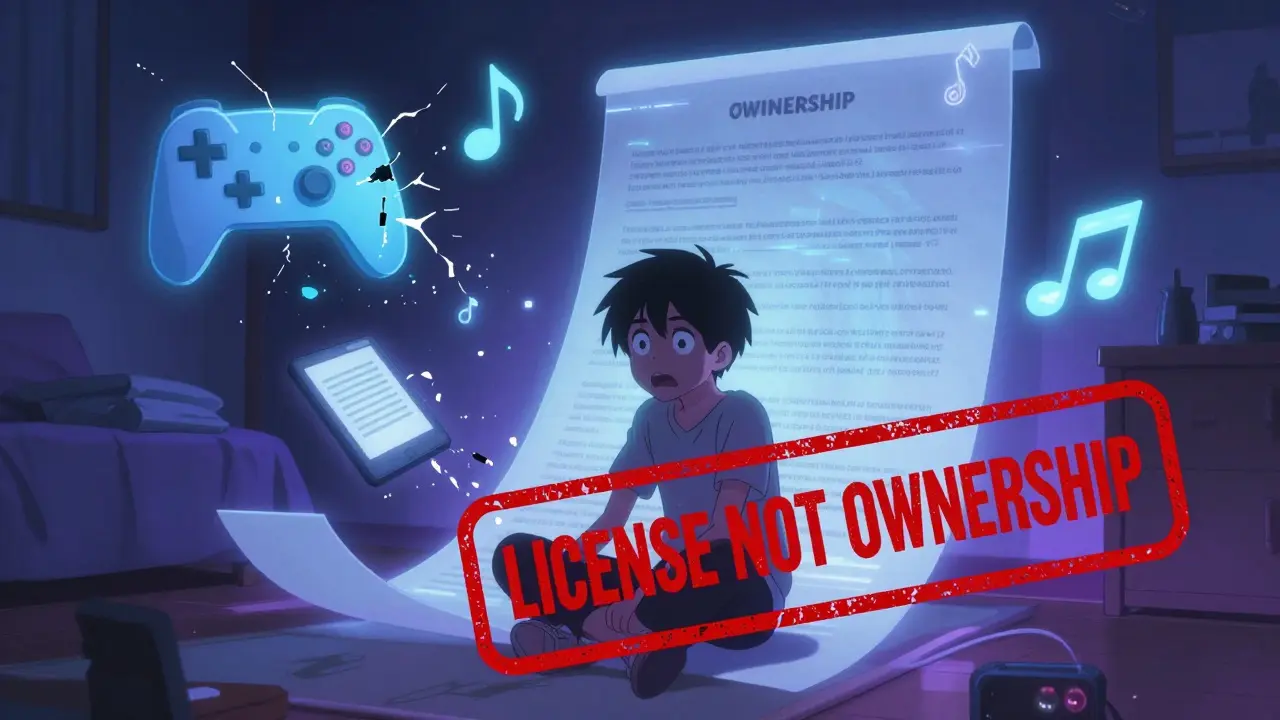
When you buy a game on Steam, an ebook on Amazon, or a song on iTunes, do you actually own it? Most people think yes. The truth? You don’t. You’re just borrowing it under a contract you never read.
This isn’t a trick. It’s the new normal. Every time you click "Buy Now" on a digital product, you’re agreeing to a license - not a sale. That means the company can take it away. Delete your account? Gone. Change the terms? Gone. Shut down the server? Gone. And there’s nothing you can do about it.
Unlike a physical CD or book, digital goods don’t come with the same rights. You can’t resell them. You can’t lend them to a friend. You can’t pass them down to your kids. And if the platform decides you’ve broken a rule - even accidentally - they can lock you out permanently.
Why Digital Ownership Doesn’t Exist (Yet)
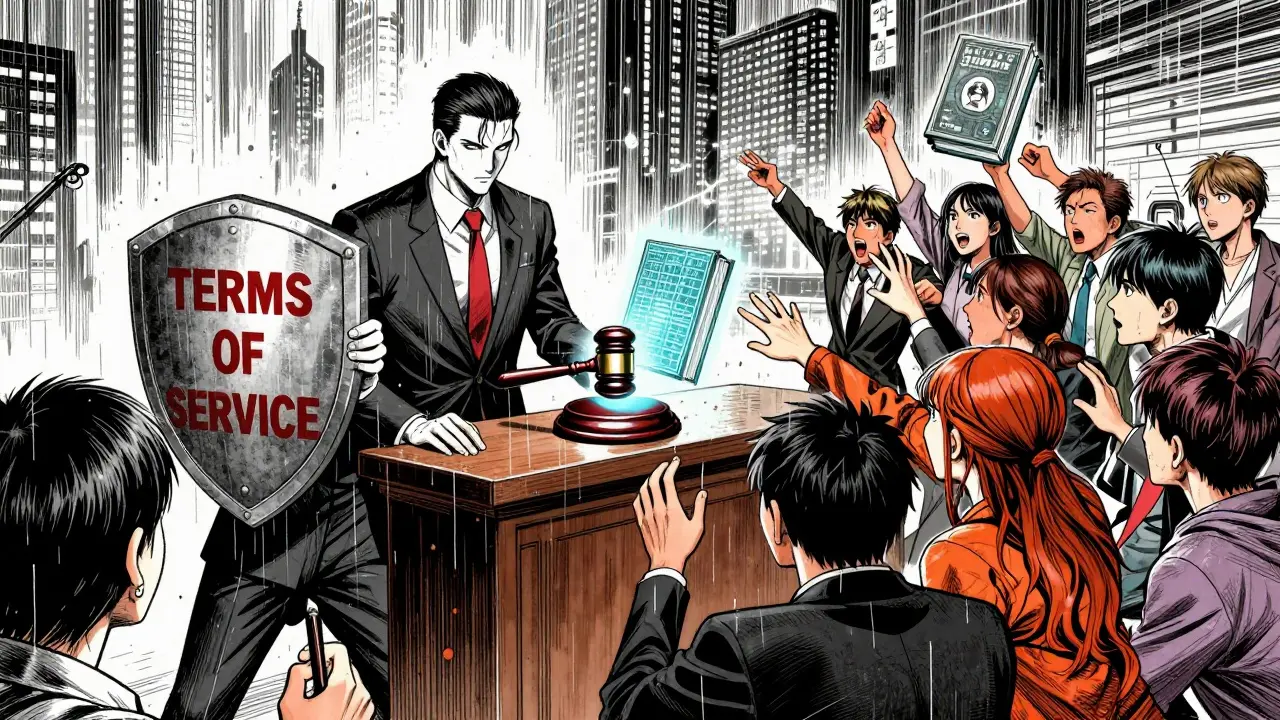
Back in the 1990s, software companies like Autodesk stopped selling programs and started licensing them. Why? Control. By calling it a "license," they avoided the legal rules that apply to physical goods - like the first sale doctrine, which lets you resell a used book or DVD. Courts backed them up. In Vernor v. Autodesk (2010), a judge ruled that if a license says you can’t resell software, then you can’t. It didn’t matter that the user paid full price. The contract overruled ownership.
Today, that same logic applies to everything digital. Steam’s terms say you get a "limited, revocable, non-exclusive, non-transferable, personal license" to your games. That’s legal jargon for: "You’re not the owner. We are. And we can revoke this anytime."
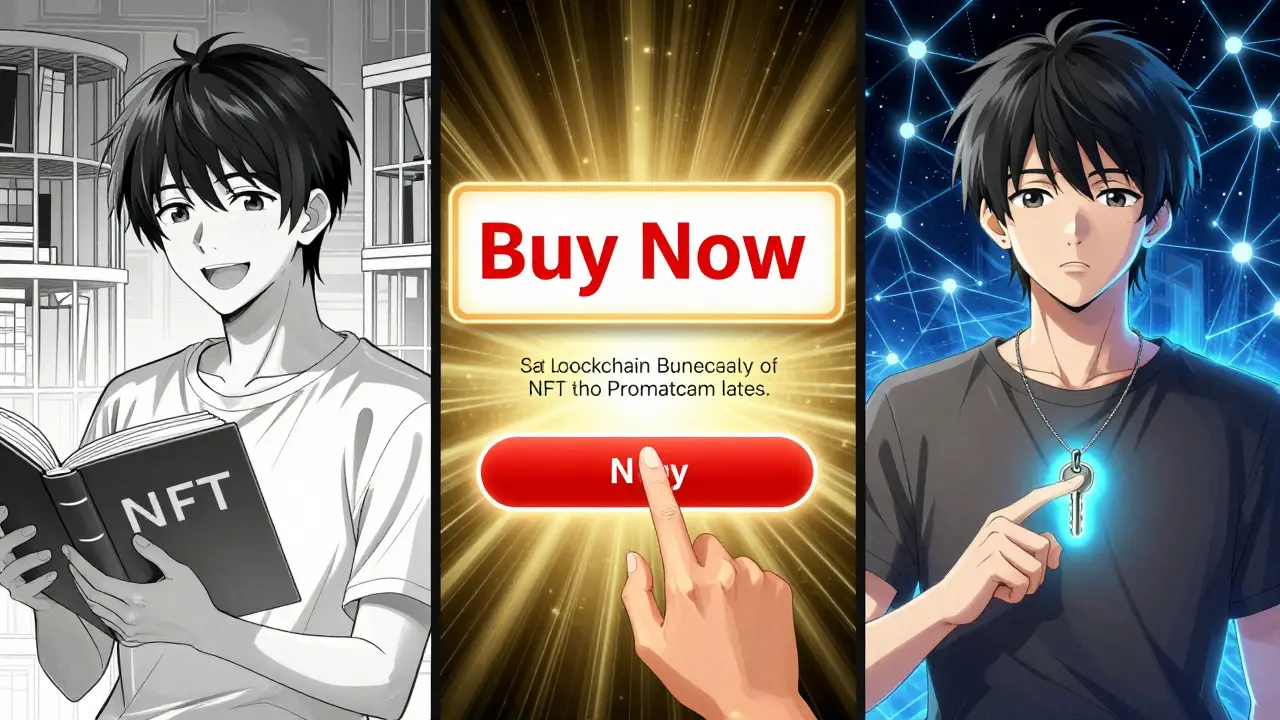
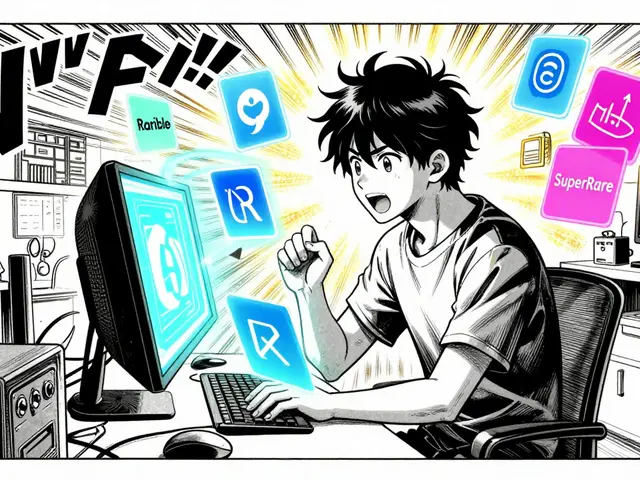
Even NFTs - often sold as "proof of ownership" - aren’t always what they seem. Many NFTs only give you a digital image and a blockchain record. They don’t automatically grant copyright, commercial rights, or even the right to display the image outside the platform. Some projects, like Bored Ape Yacht Club, do grant commercial rights. Most don’t. And unless you read the fine print, you won’t know the difference.
California’s Law That Changed Everything
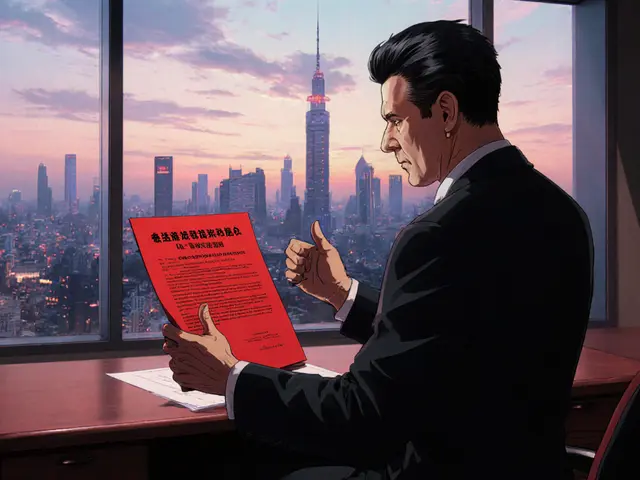
Until January 1, 2024, companies could hide the truth behind vague terms. California’s AB 2426 changed that. It’s the first U.S. law that forces platforms to clearly tell you: "This is a license, not ownership."
The law requires three things:
- A clear statement - in plain language - before you pay.
- Visual contrast - the notice can’t be hidden in tiny gray text.
- A link or QR code to the full license terms.
Steam updated its store in February 2024 to add a "License Notice" banner right above the Buy button. Amazon now shows similar warnings on ebook pages. Apple added disclosures to its App Store. These aren’t optional. They’re legally required.
But here’s the problem: most people still don’t read them. A 2023 Morgan Lewis survey found 78% of users thought they owned their digital purchases. Only 12% understood they were just licensed users.
What You Can and Can’t Do With Digital Goods
Here’s what real ownership looks like - and what digital licensing takes away:
| Right | Physical Good (e.g., Book, CD) | Digital Good (e.g., Ebook, Game) |
|---|---|---|
| Own it outright | Yes | No - you’re licensed |
| Resell it | Yes (first sale doctrine) | No - blocked by license terms |
| Lend it to a friend | Yes | No - usually restricted by DRM |
| Bequeath it in a will | Yes | No - most platforms prohibit transfer |
| Modify or repair it | Yes | No - DRM locks access |
| Access after platform shutdown | Yes | No - server-dependent |
Amazon deleted 12 million users’ purchased ebooks in 2022 when its Cloud Drive service shut down. EA removed 15 classic games from Origin after changing licensing terms. Users who "bought" them in 1995 lost access overnight. No refunds. No appeals.
Blockchain and the Promise of Real Ownership
Blockchain technology offers a different path. Instead of relying on a company’s server, ownership is recorded on a public ledger. Ethereum Name Service (ENS) lets users buy .eth domains that are permanently theirs - no annual renewal, no corporate control. If you own the private key, you own the domain.
Some NFT projects are starting to use smart contracts to encode real rights: the right to display, the right to sell, even the right to earn royalties from future sales. Unlike traditional licenses, these rules can’t be changed by a company. They’re enforced by code.
But blockchain isn’t magic. Many NFTs still don’t grant copyright. Many platforms still require you to use their app to view your "ownership." And courts haven’t ruled on whether blockchain ownership overrides a platform’s terms. It’s promising - but still untested.
Why Companies Love Licensing
For businesses, licensing is a dream. They can:
- Update software remotely without user approval
- Block users who complain or protest
- Stop competitors from reselling their content
- Collect recurring revenue through subscriptions
- Control how their content is used - even after sale
The numbers back it up. The global digital content market hit $1.12 trillion in 2024. 92% of those sales were licenses, not ownership transfers. Gaming alone made $227 billion - almost all under license terms.
Companies argue they need this control to protect creators. Independent musicians and indie devs say licensing platforms help them earn more than open distribution. But that doesn’t explain why users can’t resell a game they paid $70 for - or why their entire library vanishes if they get banned for a forum post.
What’s Next? The Fight for Digital Rights
Consumer pressure is building. The FTC received over 12,000 digital ownership complaints in 2023 - up 214% since 2020. The Electronic Frontier Foundation sued Apple in November 2024, claiming App Store licensing rules are anti-competitive.
The U.S. Copyright Office is now reviewing whether digital first sale rights should be allowed - something it dismissed as "impractical" in 2001. Meanwhile, the European Union’s new Digital Markets law demands that digital goods have "equivalent rights" to physical ones. That could force platforms to let you resell your games.
And consumers? They’re starting to vote with their wallets. A Morgan Lewis white paper found 68% of users would pay 15-22% more for true digital ownership. If platforms don’t adapt, they’ll lose trust - and sales.
What You Should Do Today
You can’t change the system overnight. But you can protect yourself:
- Read the license before you buy. Look for keywords: "non-transferable," "revocable," "limited license." If you can’t find it, don’t buy.
- Ask: Can I resell this? Can I give it to someone else? Can I keep it forever? If the answer is no, you’re not owning - you’re renting.
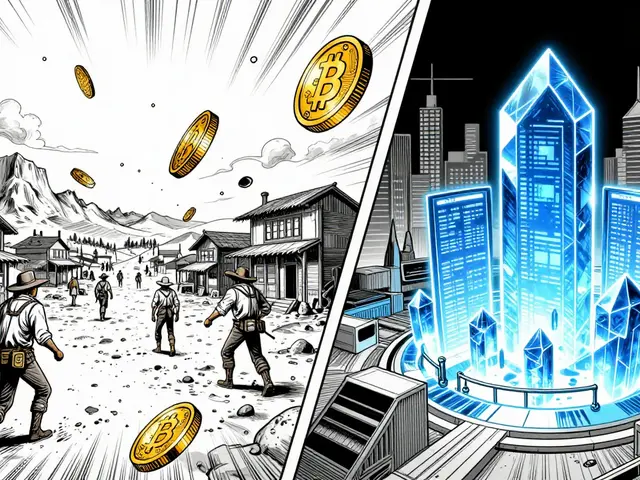
- Prefer blockchain-based assets where you control the private key. ENS domains, Bitcoin, and some NFTs offer real ownership - if you manage your keys safely.
- Back up what you can. If you bought a game, save your save files. If you bought music, rip it to MP3. If you bought an ebook, convert it to PDF. Don’t rely on cloud storage.
- Support laws like AB 2426. Demand transparency. If a platform hides the truth, don’t give them your money.
Digital ownership isn’t dead. It’s just being rewritten. And right now, the companies hold the pen. But if enough people demand change - and pay for real ownership - the rules will have to change too.


Neal Schechter
December 5, 2025 AT 19:30I bought a game on Steam last year and it got pulled last month because the dev went bankrupt. No warning. No refund. Just gone. I paid $60 for something I can’t even download anymore. This isn’t just a legal thing-it’s a betrayal.
And don’t get me started on ebooks. I bought a whole series on Kindle. Now I can’t even read them on my new tablet because Amazon locked the account. What am I supposed to do? Buy it all again? That’s not ownership. That’s digital rent.
California’s law is a start, but it’s too late for millions of us who already got screwed. We need retroactive rights, not just disclaimers.
And yeah, I know blockchain is the ‘solution,’ but most people don’t have a clue how to manage a wallet. That’s not progress-that’s elitism wrapped in crypto jargon.
Madison Agado
December 7, 2025 AT 16:09It’s funny how we call it ‘buying’ when we’re really just leasing. We’ve normalized digital servitude because it’s convenient. We don’t want to think about the fine print-we just want the thing to work.
But ownership isn’t just about legal rights. It’s about dignity. It’s about the right to pass down your music collection to your kid, or let your friend borrow your favorite book. These aren’t trivial things. They’re part of how we connect, remember, and grieve.
When you lose access to something you ‘bought,’ you’re not losing a file-you’re losing a piece of your history. And companies don’t care about that. They care about retention metrics and subscription renewals.
Maybe we need a new word for it. Not ‘purchase.’ Not ‘license.’ Something like ‘digital access permit.’ At least then we’d know what we’re really signing up for.
Tisha Berg
December 7, 2025 AT 22:03Hey, I just want to say-this is super important, and I’m glad someone’s talking about it.
My mom bought a bunch of audiobooks on Audible. She’s 72. She doesn’t know what DRM is. Last year, one of her favorite books disappeared. She cried. She thought she’d lost it forever.
Companies need to stop hiding behind legal jargon. If you’re not giving people real ownership, say it clearly. Like, in big letters. Not in tiny gray text at the bottom of a 50-page agreement.
And please, for the love of god, make it easy for older folks to understand. We’re not all tech-savvy. We just want to enjoy our stuff without fear it’ll vanish tomorrow.
Billye Nipper
December 9, 2025 AT 00:18OMG, YES. I’ve been screaming about this for YEARS!!!
I paid $120 for a game bundle on GOG back in 2018. It’s still there. Why? Because GOG doesn’t use DRM. They actually let you OWN it. You can download it forever. You can back it up. You can move it to another computer. No corporate middleman.
Why aren’t more people buying from GOG?!
It’s not about price. It’s about trust. And if you’re still buying from Steam or Amazon without reading the license? You’re basically giving away your digital life to strangers who can delete it with a click.
PLEASE, if you care about your stuff-go GOG. Or buy physical. Or use blockchain. But don’t just click ‘Buy Now’ and hope for the best!!
It’s not just a game. It’s your memory. Your time. Your money. It matters.
Chris Mitchell
December 10, 2025 AT 06:11Ownership is a legal fiction. You never owned anything. You paid for access. That’s the market now.
Stop pretending digital goods are like books. They’re services.
Get over it.
Martin Hansen
December 11, 2025 AT 07:05Oh wow, another ‘digital rights’ crybaby. You paid $70 for a game. You got 50 hours of entertainment. You got a 1080p experience. You got updates. You got multiplayer. You got cloud saves.
And now you’re mad because you can’t resell it like it’s a used VHS? Grow up.
Companies aren’t evil-they’re innovating. You want to own your software? Build it yourself. Or go back to 2005 and buy CDs.
Stop acting like your digital library is a family heirloom. It’s not. It’s a subscription with extra steps.
Sandra Lee Beagan
December 12, 2025 AT 11:37This is such an important conversation... 🥺
I work with indie devs, and I see both sides. Platforms like Steam let small creators reach audiences they’d never reach otherwise. But yeah, the licensing stuff is wild. I’ve had users cry because their purchased mods vanished after a patch.
It’s not just about the law-it’s about empathy.
Maybe the solution isn’t ‘ownership’... but ‘permanent access rights’? Like, if you buy it, you get a forever-download key tied to your account? Even if the company dies, the keys live on a decentralized ledger?
Just an idea. I’m not a lawyer. But I do know people deserve to keep what they paid for. 💙
Isha Kaur
December 12, 2025 AT 15:14Actually, I think this whole issue is more complicated than it seems because in India, most people don’t even have the option to buy digital content legally because of pricing and piracy, so when we do get access, even if it’s licensed, we are grateful for it, and honestly, we don’t even think about ownership because we are just happy to have the content at all, and also, many of us use pirated versions anyway because the original ones are too expensive, so the whole concept of digital ownership feels like a luxury problem for Western users who have the privilege to even think about it, and I think that’s something we need to acknowledge before we start demanding rights that are not even accessible to most of the world’s population, and also, if we start allowing resale, then companies will just raise prices even more to compensate, and then it will become even harder for people like me to afford anything, so maybe the real issue is not ownership but affordability and accessibility, and maybe we should focus on making digital goods cheaper and more available instead of trying to turn them into physical goods, because they are not the same, and pretending they are just creates more confusion and unrealistic expectations, and I think the solution is not legal battles but better pricing models and more regional pricing and maybe even subscription-based models that let you access everything for a low monthly fee, so you don’t have to ‘own’ anything, you just pay for access, like Netflix, and that’s actually more sustainable and fair for everyone, including the creators.
Sorry for the long comment, but I really feel this is an important perspective that gets ignored in these discussions.
Glenn Jones
December 13, 2025 AT 15:24OMG I CAN’T BELIEVE PEOPLE ARE STILL FALLING FOR THIS SCAM!!
STEAM IS A PRISON. AMAZON IS A CORPORATE GULAG. APPLE IS A TERRITORIAL TERRORIST.
I LOST MY ENTIRE MUSIC LIBRARY WHEN MY APPLE ID GOT HACKED. 3000 SONGS. GONE. NO BACKUP. NO REFUND. JUST A ‘SORRY’ EMAIL.
AND NOW YOU WANT TO TALK ABOUT ‘LICENSES’??
THEY’RE STEALING YOUR DIGITAL SOUL AND CALLING IT ‘TERMS OF SERVICE.’
THEY’RE NOT EVEN TRYING TO HIDE IT ANYMORE.
THEY KNOW YOU’RE TOO LAZY TO READ THE TOS.
THEY KNOW YOU’RE TOO EMBARRASSED TO ASK FOR HELP.
THEY KNOW YOU’LL NEVER SWITCH BECAUSE YOU’VE ALREADY SPENT 10 YEARS BUILDING A LIBRARY.
THEY WIN.
AND YOU’RE THE GUY WHO CLICKED ‘I AGREE.’
YOU DESERVE THIS.
JUST BUY A HARD DRIVE AND RIP EVERYTHING YOU CAN.
BECAUSE IF YOU DON’T… YOU’RE ALREADY DEAD.
PS: I’M NOT EVEN MAD. I’M JUST DISAPPOINTED IN HUMANITY.
Nelson Issangya
December 14, 2025 AT 01:13Hey, I get it. It sucks. I’ve been there. Lost a game I paid for. Felt like someone stole my time.
But here’s the thing-we’re not powerless. We can vote with our wallets. We can support platforms that respect us. We can demand better. We can back up our stuff. We can spread the word.
It’s not about giving up. It’s about fighting smarter.
And yeah, maybe we can’t change the whole system overnight-but we can change one purchase at a time.
Start with GOG. Start with physical media. Start with reading the damn terms.
Small steps. Big impact.
You got this.
nicholas forbes
December 15, 2025 AT 06:53Most people don’t care. That’s why this keeps happening.
Companies don’t change unless they’re forced to.
And they won’t be forced until enough people stop buying.
So stop buying from platforms that lock you in.
Simple.
Regina Jestrow
December 15, 2025 AT 20:10Wait-so if I ‘buy’ a game and it gets deleted, is that theft? Or is it just breach of contract? And if it’s breach of contract, why can’t I sue them? And if I can sue, why don’t I? Because it’s too expensive? Because the terms say I can’t? Because I don’t know how?
Who even enforces this? Who’s watching?
And if no one is watching… does it even matter if they’re breaking the rules?
…I’m starting to think we’re all just living in a simulation where the rules are written by people who don’t live here.
Lore Vanvliet
December 16, 2025 AT 02:55OH MY GOD THIS IS THE MOST AMERICAN PRIVILEGE DRAMA I’VE EVER SEEN.
YOU PAID $70 FOR A GAME AND NOW YOU WANT TO OWN IT FOREVER?
IN MY COUNTRY, PEOPLE DON’T EVEN HAVE INTERNET TO BUY STUFF.
YOU THINK YOU’RE ENTITLED TO DIGITAL PROPERTY BECAUSE YOU HAVE A CREDIT CARD?
STOP BEING A BABY.
THE WORLD DOESN’T OWE YOU OWNERSHIP.
GET A REAL JOB.
AND STOP WHINING ABOUT YOUR EBOOKS.
PS: I OWN A HOUSE. I OWN A CAR. I OWN A DOG. I DON’T NEED YOUR VIRTUAL STUFF.
PPS: I’M NOT EVEN AN AMERICAN. I’M JUST SICK OF YOUR ENTITLEMENT.
PPPS: 😠
Frank Cronin
December 17, 2025 AT 10:21Oh, so now we’re all entitled to digital property because we clicked ‘Buy Now’? Wow.
You paid for a license. You knew that. You just didn’t care.
Now you’re mad because the company didn’t treat your $70 purchase like a sacred relic?
Let me guess-you also think your Netflix password is a constitutional right.
Here’s the truth: you’re not a customer. You’re a data point.
And if you can’t handle that, go back to reading paper books and listening to vinyl.
But don’t cry about it on Reddit. It’s embarrassing.
Neal Schechter
December 17, 2025 AT 19:12Yeah, but if I can’t resell it, why does Steam charge $70? Why not $20? That’s the cost of access. The rest is a tax on the illusion of ownership.
They’re pricing it like a product so we feel like we’re getting value. But the moment we try to transfer it? Boom-contract violation.
It’s a scam dressed up as a sale.