

Imagine a world where the hours you spend scrolling through short videos actually put money in your pocket, and the creators you love don't have to give a massive cut of their earnings to a corporate giant. That is the pitch behind Petals (PTS) crypto coin is the native utility token of a Web3 short-video social platform designed to decentralize content creation and distribution. Unlike traditional apps that hoard user data, Petals aims to give ownership back to the people who actually make the platform valuable: the creators and the viewers.
The Vision: A Decentralized Alternative to TikTok
Most of us are used to the "black box" algorithms of big tech. You see what they want you to see, and they make the money from the ads. Petals wants to flip this script. By using blockchain technology as its engine, the platform creates a direct line of value between advertisers, creators, and viewers. In this ecosystem, your data isn't the product; you are a stakeholder.
The core idea is to replace the middleman with a DAO (Decentralized Autonomous Organization). This means the platform isn't run by a CEO in a boardroom, but by the community of token holders who vote on how the network evolves. If the platform succeeds in its goal of creating its own application chain, it could significantly reduce the friction and costs associated with traditional social media management.
How the PTS Token Actually Works
The PTS token isn't just a speculative asset; it's the fuel for the entire network. If you're diving into this ecosystem, you'll find that the token serves several distinct purposes:
- Transaction Fees: Every time an asset is moved or a service is used within the app, PTS is used to cover the cost.
- Staking: Users can lock up their tokens to earn rewards, essentially helping to secure the network while gaining a passive income stream.
- Governance: Holding PTS gives you a seat at the table. You can vote on proposal changes, algorithm updates, and platform rules.
- Monetization: Creators can turn their videos into NFTs (Non-Fungible Tokens), allowing them to sell ownership or exclusive access to their content.
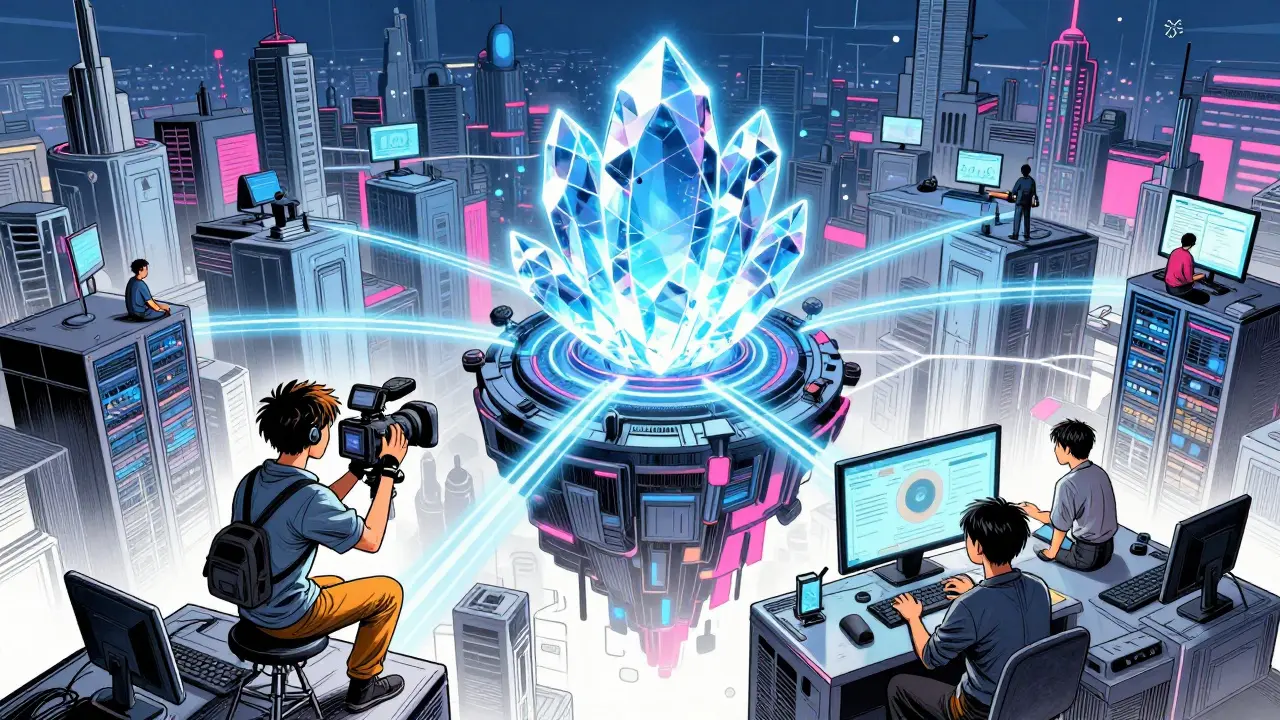
Who Profits? The Ecosystem Participants
One of the most interesting parts of Petals is that it doesn't just reward the "superstars." It creates a value loop for everyone involved. Here is how different roles fit in:
| Role | Action | Reward/Benefit |
|---|---|---|
| Content Consumer | Watching ads and interacting | Direct compensation in PTS |
| Content Producer | Creating videos and NFTs | Copyright earnings and token payments |
| Node Provider | Providing server storage | Rewards for maintaining the network |
| Algorithm Designer | Writing open-source code | Payment if their algorithm is adopted |
| Advertiser | Bidding for ad space | Targeted reach via PTS auctions |
Technical Realities and Market Performance
While the vision is ambitious, the market data tells a more cautious story. Currently, Petals (PTS) is primarily traded on Gate.io, a major digital asset exchange. For a coin to be healthy, you generally want to see it across multiple platforms to ensure liquidity. The fact that it's concentrated on one exchange means it's harder for the average person to buy and sell without facing high price swings.
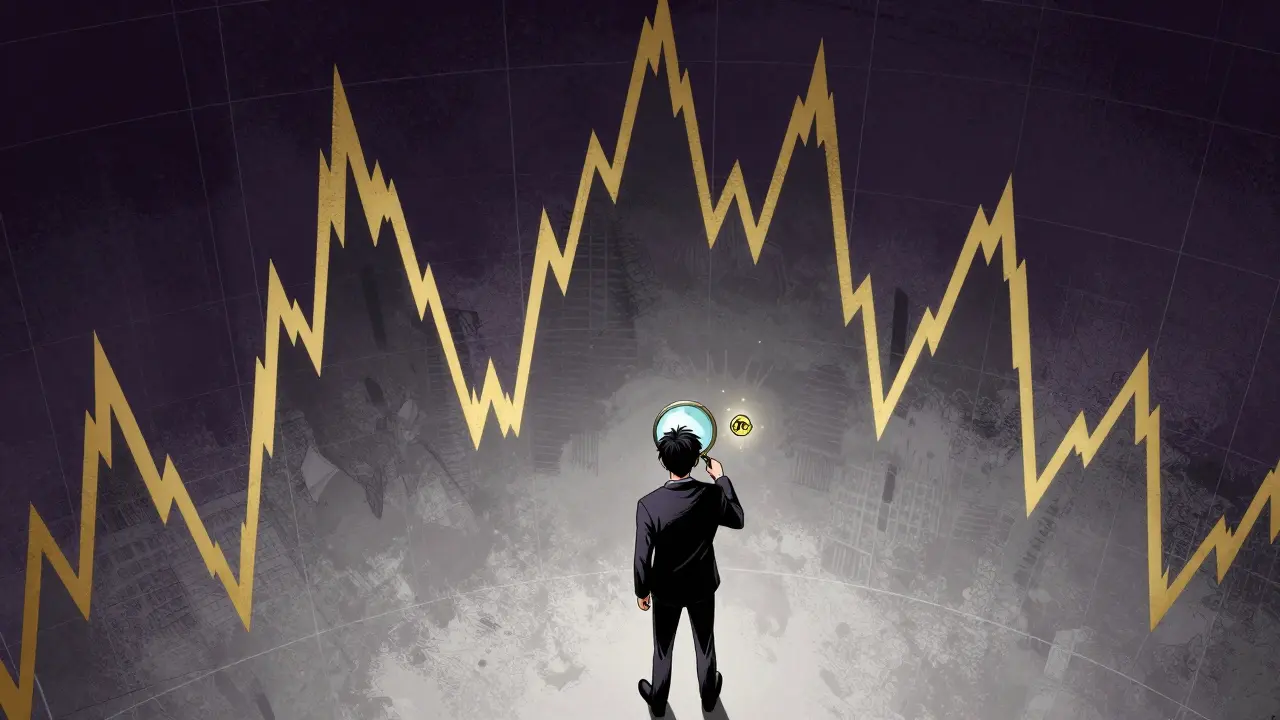
Looking at the numbers, the project has faced a steep climb. With a maximum supply of 100 billion tokens and a circulating supply around 14 billion, the token has experienced massive volatility. At various points, reports have shown the price swinging wildly, and it has traded significantly below its all-time high. This is common for early-stage Web3 projects, but it's a red flag that requires a high risk tolerance from any potential investor.
How to Get PTS Tokens
If you've decided that the risk is worth the potential reward, getting PTS is a straightforward process, though limited to specific channels. Since Gate.io is the primary home for the token, you'll need to follow these steps:
- Account Setup: Create a verified account on Gate.io.
- KYC Verification: You'll have to complete the "Know Your Customer" process by providing a government ID. This is standard for most legal exchanges today.
- Funding: Deposit funds, usually in the form of USDT (Tether), which is the most common trading pair for PTS.
- Execution: Search for the PTS/USDT pair and execute your buy order.
The Red Flags and Risks to Consider
We have to talk about the contradictions. Some data sources list Petals as a DeFi bridge for cross-chain transfers, while most others describe it as a video platform. This kind of discrepancy usually happens for one of two reasons: either the project underwent a massive "pivot" in its business model, or there are different tokens with the same ticker symbol causing confusion. When you see conflicting information about what a coin actually does, it's a sign to do extra due diligence.
Furthermore, the lack of a widely available official GitHub repository or detailed public documentation makes it hard to verify if the 2024 goal of becoming a full DAO with its own application chain actually happened. In the crypto world, "roadmap promises" are common, but execution is the only thing that truly matters.
Is Petals (PTS) a safe investment?
High risk. The token is traded on very few exchanges, has low liquidity, and has dropped significantly from its peak. It should be treated as a speculative asset rather than a stable investment.
What is the total supply of PTS tokens?
The maximum supply is capped at 100 billion PTS tokens, with roughly 14 billion currently in circulation.
Can I really earn money by watching videos on Petals?
The platform's model is designed to reward viewers for interacting with ads and content via PTS tokens, but the actual amount earned depends on the platform's current advertiser demand and token value.
Where can I buy Petals (PTS)?
Currently, the token is primarily available for purchase on the Gate.io exchange.
What happens if I stake my PTS tokens?
Staking allows you to lock your tokens to support the network's stability in exchange for additional PTS rewards and potentially increased governance voting power.




Ryan Nakielny
April 29, 2026 AT 09:37Oh great, another "TikTok killer" built on a blockchain. I'm sure this one is totally different and definitely not just a way for early investors to dump their bags on retail buyers. 🙄
Nitin Gupta
April 30, 2026 AT 09:51It is interesting to see how they plan to implement the DAO for algorithm updates. If they can actually execute that, it could provide a much fairer environment for small creators who usually get buried by the current big-tech systems.
AP Fisher
May 1, 2026 AT 05:03Seems cool.
Wayne Gillis
May 1, 2026 AT 08:52Wait... why only Gate.io?? That is super sketchy! 🚩🚩🚩 Who even uses that exchange without feeling like they are in a casino?? I need more info on the devs! 🧐🚀
Livvy Cooper
May 2, 2026 AT 09:59This is just a scam. All these crypto coins promise the world and then just vanish. Why do people keep falling for this stuff? It is just lazy thinking.
Rain Richardsson
May 3, 2026 AT 07:13The part about node providers is interesting. I wonder if the hardware requirements are low enough for regular people.
Kara Spadone
May 4, 2026 AT 04:30We are witnessing the digital transmutation of attention into currency. It is a spiritual void wrapped in a smart contract. :) 🌀
Arun Prabhu
May 5, 2026 AT 16:46The sheer audacity of calling a token with 100 billion supply a "utility asset" is laughable. It is a textbook example of inflationary madness designed to fleece the gullible masses who lack basic financial literacy.
Jehan ZA
May 6, 2026 AT 22:17The discrepancy regarding the project's primary function-whether it be a DeFi bridge or a video platform-is a matter of significant concern for any diligent investor.
debra hoskins
May 7, 2026 AT 09:06Typical. Another whitepaper full of buzzwords and zero actual evidence of a working product. I've seen a thousand of these "ecosystems" collapse into nothingness.
Pramendra Singh
May 8, 2026 AT 11:52I believe if the community stays strong, they can overcome these early hurdles. It's always tough at the start!
Chloe Fletcher
May 8, 2026 AT 17:47You guys need to stop being so negative! 🌟 Imagine the potential for creators to finally own their work! Let's give them a chance to build something great! 💪✨
Mitali Rajvanshi
May 9, 2026 AT 13:51The rewards for watching ads sound okay, though the actual payout probably isn't much.
Ralph Espinosa
May 11, 2026 AT 05:59Actually, the 14 billion circulating supply is quite standard for early phase tokens... it just depends on the burn rate!! Check the lock-up periods!!
Lex Harley
May 12, 2026 AT 15:13Tbh the tokenomics look kinda sus. If the liquidity is only on one CEX, the slippage on a large market buy will be insane... plus no public GitHub is a huge red flag for any dev-centric project. I'm worried about the smart contract audit too. This smells like a rug pull waiting to happen if the TVL doesn't increase soon.
Tony Phan
May 14, 2026 AT 04:42I'm all in on this! I already bought a bunch of PTS! Let's pump this to the moon! Who else is holding?? I can't wait to see the price skyrocket! 🚀🚀🚀
Alex Mazonowicz
May 14, 2026 AT 12:19Keep dreaming big!! This is the future of social media!! Love the energy here!!
Veronica Bago
May 15, 2026 AT 09:55It's a risky bet, but the idea of a decentralized TikTok is definitely a vibe.
Arti Jain
May 16, 2026 AT 10:24Western apps are failing. We need these new models to disrupt the status quo. PTS is just the beginning.
Harvey Alford
May 16, 2026 AT 10:45I'm losing money on every coin I touch. This is just another way to go broke.