TRUST AI Token: What It Is, Why It’s Dead, and What to Watch Instead
When you hear TRUST AI token, a cryptocurrency promoted as an AI-driven trading assistant. Also known as TRUSTAI, it was pitched as a tool that could predict market moves using machine learning—except there was never any real code, team, or product behind it. By early 2025, its website vanished, social media accounts went quiet, and trading volume dropped to near zero. This isn’t an isolated case—it’s part of a growing wave of fake AI crypto projects that lure investors with buzzwords and vanish before anyone can ask for proof.
Projects like Oracle AI (ORACLE), another AI crypto project that disappeared without a trace and 1000x by Virtuals (1000X), a token tied to a non-existent AI agent follow the exact same pattern: flashy promises, no whitepaper, no GitHub, no team bios. These aren’t startups—they’re exit scams dressed up as innovation. The crypto space is flooded with AI-themed tokens because the word "AI" still sells, even when there’s nothing artificial about the intelligence behind them. What’s worse, many of these tokens appear on CoinMarketCap or CoinGecko as "pre-launch" or "preview" listings, giving them false legitimacy. You don’t need a degree in blockchain to spot the red flags—just ask: Is there a working product? Who built it? Where’s the code?
Real AI crypto projects—like Xterio (XTER), a Web3 gaming token powered by AI-driven NPCs—don’t just talk about intelligence. They show it. They let you interact with AI agents in games, track how they learn from player behavior, and see the results in real time. That’s the difference between marketing and technology. If a token claims to trade for you but can’t even show you a demo, walk away. The TRUST AI token is gone. But the lessons it left behind? They’re still very much alive. Below, you’ll find real breakdowns of dead projects, active scams, and the few AI crypto projects that actually deliver. No hype. Just facts.
Dec
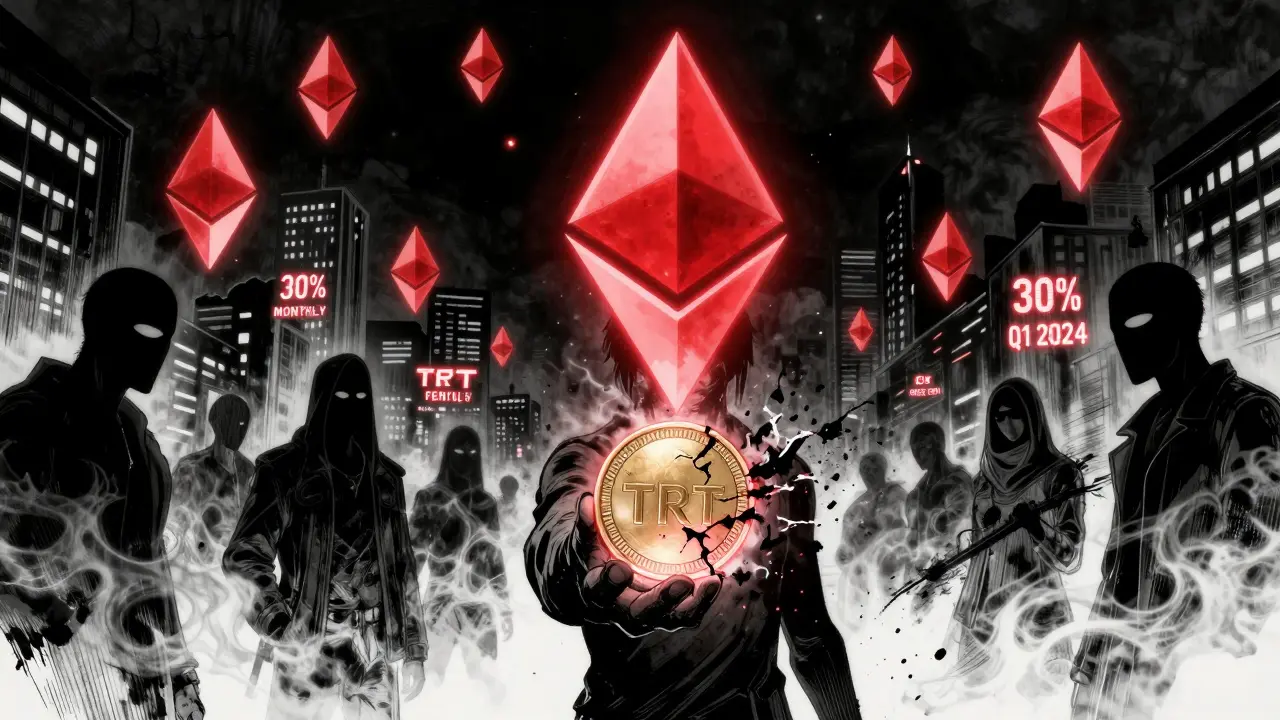
TRUST AI (TRT) is a high-risk crypto token with unverified AI claims, fake price data, and no working product. Learn why experts warn against it and what to look for instead.
Read More