Digital Ownership: What It Really Means in Crypto and Web3
When you buy a digital item—like an NFT, a game skin, or a tokenized piece of art—you’re not just downloading a file. You’re claiming digital ownership, the verified, unchangeable right to control, transfer, or prove possession of a digital asset using blockchain technology. Also known as on-chain ownership, it means no middleman can take it away, freeze it, or delete it without your permission. This isn’t theory. It’s what makes an NFT from Lepasa Polqueen or a fan token like TRA from Trabzonspor worth anything—because you actually own it, not just have a license to view it.
True digital ownership relies on three things: blockchain ownership, a permanent, public record of who holds what, stored across thousands of computers, tokenized assets, digital tokens that represent real value, whether it’s art, real estate, or in-game items, and Web3, the next version of the internet where users control their data and assets instead of corporations. Without blockchain, you’re just storing files on someone else’s server. With it, your asset is yours—forever, no matter what happens to the website or company behind it. That’s why projects like Xterio and Lepasa Metaverse built their economies around this idea: your avatar, your land, your gear—owned by you, not the platform.
But digital ownership isn’t magic. It’s only as strong as the chain it’s built on. If the project dies, the smart contract breaks, or the token gets hacked—like HAI or Oracle AI—your ownership becomes a ghost. That’s why knowing the difference between real ownership and hype matters. Look for live contracts, active communities, and real utility—not just pretty pictures or fake trading volumes. The posts below show you exactly what works, what doesn’t, and how to spot the difference. You’ll see how NFTs really get their value, why some airdrops are scams, and how tokenized assets are starting to replace traditional ownership in finance. This isn’t about speculation. It’s about building something you can truly hold onto—in the digital world, and beyond.
Dec
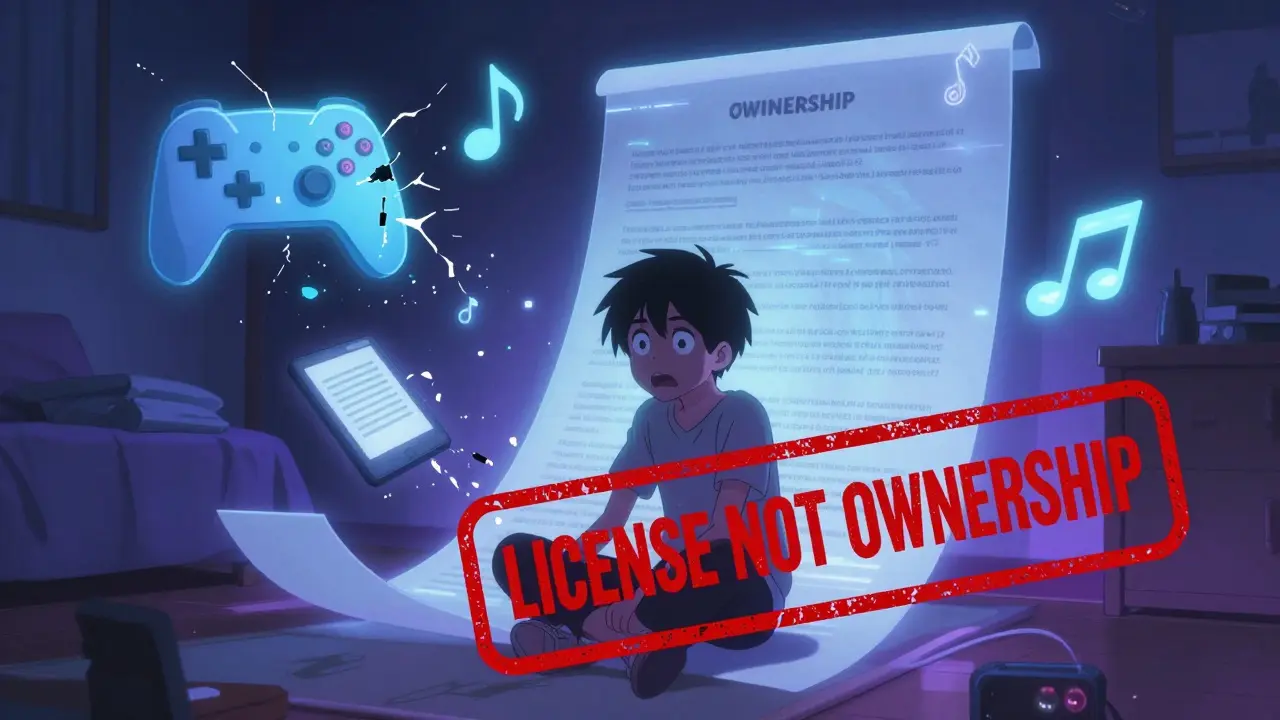
Most digital purchases aren’t sales - they’re licenses. Learn what you really own online, how California’s new law forces transparency, why blockchain offers real ownership, and what steps you can take to protect your digital assets.
Read More