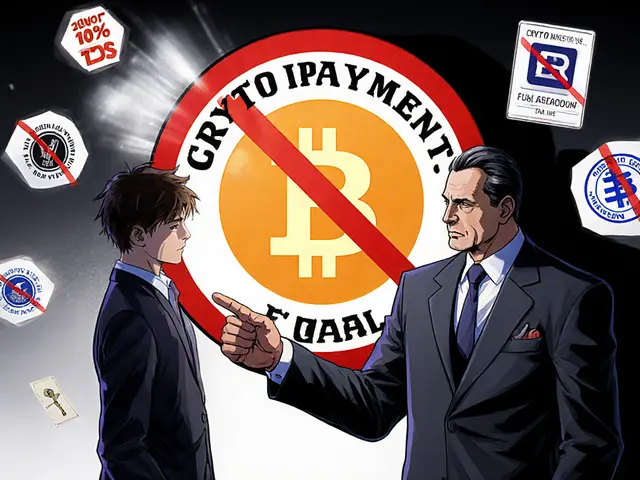
Accept Cryptocurrency in Russia: Rules, Risks, and Real Options
When it comes to accept cryptocurrency Russia, the legal status of using digital currencies as payment in Russia. Also known as crypto payments Russia, it’s not as simple as turning on a wallet. While holding or trading crypto isn’t banned, using it to pay for goods or services crosses a legal gray zone that could land you in trouble.
The Russian government doesn’t recognize Bitcoin or any other crypto as legal tender. That means no business can legally demand you pay in crypto, and no merchant can officially accept it as payment without risking penalties. The Central Bank of Russia has been clear: crypto isn’t money. It’s an asset, a speculation, a digital token—but not a currency you can use to buy coffee or pay your supplier. Even if you’re not selling crypto, just accepting it as payment? That’s treated like a foreign currency transaction under strict financial controls.
So how do some businesses still accept crypto? They don’t officially. Many use third-party services that convert crypto to rubles instantly behind the scenes. The customer pays in Bitcoin, the service turns it into rubles, and the merchant gets rubles in their bank account. This avoids direct crypto acceptance but still lets customers use digital assets. It’s a workaround, not a legal solution. And it’s risky. If the Central Bank cracks down on these converters, the whole system could freeze overnight. Plus, banks are required to report any unusual crypto-linked transactions. If your business suddenly starts receiving large crypto-backed payments, expect questions—and possibly account freezes.
There’s also the issue of taxes. Even if you avoid direct crypto acceptance, any crypto you receive—even through a converter—is considered income. That means you owe income tax, and you must report it. The Federal Tax Service (FTS) now has tools to track crypto flows through exchanges and wallets. Ignoring this isn’t an option. In 2024, several small businesses were fined for not declaring crypto income, even when they thought they were just using a payment processor.
What about international companies? If you’re a foreign business selling to Russian customers, can you accept crypto? Technically, no. Russian law applies to any transaction involving Russian residents. So even if your company is based in the U.S. or Singapore, if a Russian citizen pays you in Bitcoin, you’re still subject to Russian financial regulations. Many foreign platforms simply block Russian IPs to avoid the legal mess.
There’s one exception: crypto mining. Russia allows mining and even offers tax breaks in some regions. But mining isn’t the same as accepting crypto as payment. Mining generates new coins—you don’t receive them from a customer. That’s a completely different legal category.
What you’ll find in the posts below are real cases, real risks, and real alternatives. You’ll see how businesses in Russia navigate this tightrope, what happens when they get caught, and which crypto-related services still operate under the radar. You’ll also learn about the legal gray areas around crypto wallets, peer-to-peer transfers, and how some entrepreneurs use NFTs or tokenized assets as indirect payment methods. None of this is legal advice. But it’s what’s actually happening on the ground in Russia’s crypto scene in 2025.
Dec

Russia bans businesses from accepting crypto for domestic payments, but allows it for international trade under strict conditions. Only giant, state-connected firms can legally use crypto - everyone else faces account freezes and fines.
Read More