

Imagine buying a car in a video game and actually owning it-not just as data on a server, but as a digital asset you can trade or sell. That is the promise of Rebel Cars, a blockchain-based racing game that uses its own token, RC. But before you jump in, you need to know what this project really is, how the money works, and why it carries significant risk.
Rebel Cars is not just another meme coin with a cool logo. It is the native utility token for a specific ecosystem built on the Elysium network. The project aims to merge high-octane racing gameplay with Web3 asset ownership. However, as of mid-2026, it remains a micro-cap asset with modest liquidity and limited public transparency regarding its long-term roadmap. This guide breaks down exactly what RC is, how you can use it, and whether it fits your investment or gaming strategy.
What Exactly Is Rebel Cars (RC)?
To understand the coin, you first have to look at the product behind it. Rebel Cars is a racing simulation designed for car enthusiasts who are also interested in cryptocurrency. Unlike traditional games where you buy a skin or a vehicle with real money and lose access if the company shuts down, Rebel Cars uses blockchain technology to tokenize these assets.
The RC token serves as the fuel for this ecosystem. It is used for in-game transactions, purchasing NFTs (non-fungible tokens) representing cars and tracks, and earning rewards through gameplay. Technically, RC is an ERC-20 style token running on the Elysium blockchain, not a standalone Layer-1 coin. This distinction matters because it dictates which wallets you can use and how fast transactions settle.
The project is developed by IXOR DiGiTAL, a studio with over 25 years of experience in computer graphics and gaming. This background suggests that the visual fidelity and game mechanics might be stronger than typical crypto-games, which often prioritize tokenomics over actual fun. Their goal is to create a "play-to-earn" environment where skill and engagement translate into tangible value.
How the Token Works: Utility vs. Speculation
In the world of crypto-gaming, there are usually two ways people interact with a token: they play to earn it, or they buy it hoping the price goes up. Rebel Cars attempts to balance both, though the latter currently dominates market activity.
- In-Game Currency: You spend RC to enter races, repair vehicles, or purchase new parts. If the game becomes popular, demand for RC could rise organically.
- NFT Purchases: Unique cars and race tracks are likely issued as NFTs. These assets require RC to buy, mint, or trade within the marketplace.
- Rewards: During public alpha demos and limited-time events, players have been able to earn RC by participating in challenges. This creates a supply mechanism tied to user activity rather than just inflationary mining.
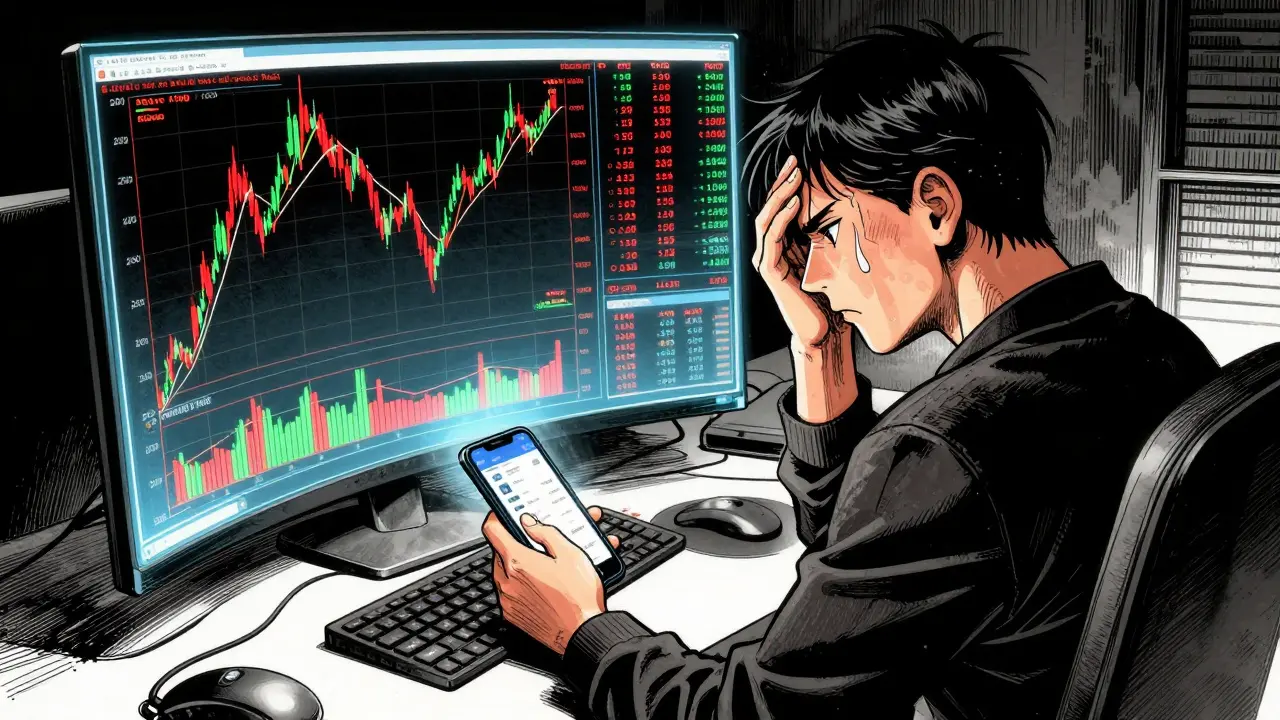
However, be aware that the majority of RC’s current volume comes from trading, not gameplay. As of early 2026, daily trading volumes hover between $19,000 and $45,000. This indicates that while the game exists, the speculative interest in the token itself is still higher than the active player base driving organic demand.
Market Reality: Price, Volume, and Liquidity
If you are looking at Rebel Cars as an investment, you need to look at the hard numbers. Micro-cap tokens like RC are volatile and illiquid compared to giants like Bitcoin or Ethereum. Here is the snapshot of the market as of mid-2026:
| Metric | Value / Range | Context |
|---|---|---|
| Price (USD) | $0.002 - $0.007 | Highly variable depending on exchange; check live rates. |
| Market Cap | $0.5M - $0.65M | Micro-cap status; highly sensitive to small trades. |
| Daily Volume | $19k - $45k | Low liquidity; large orders may slip price significantly. |
| Blockchain | Elysium Network | Not Ethereum Mainnet; requires compatible wallet. |
Notice the discrepancy in prices across platforms. One tracker might show $0.0022 while another shows $0.0069. This happens because liquidity is fragmented across smaller exchanges like MEXC, BitMart, and Biconomy. There is no single dominant market for RC, which means arbitrage opportunities exist but also increase the risk of getting stuck with tokens you cannot easily sell without impacting the price.
Where Can You Buy and Store RC?
You cannot buy Rebel Cars directly with credit cards on major platforms like Coinbase Pro or Binance main listings in the same way you would buy Bitcoin. Instead, you typically need to go through centralized exchanges that support altcoins.
- Exchanges: Look for RC/USDT pairs on MEXC, BitMart, or Biconomy. You will likely need to deposit USDT (Tether) first and then swap it for RC.
- Wallets: Since RC lives on the Elysium network, you need a wallet that supports Elysium tokens. Standard MetaMask setups might not work out of the box unless you add custom RPC nodes for Elysium. Always verify the contract address before transferring funds to avoid sending tokens to the wrong chain.
- Bridging: If you hold assets on Ethereum or BNB Chain, you may need to bridge them to Elysium first, which introduces additional gas fees and security risks.
Always start with a small amount to test the withdrawal process. In niche crypto projects, technical glitches with withdrawals are more common than in established ecosystems.
The Risks: Why You Should Be Cautious
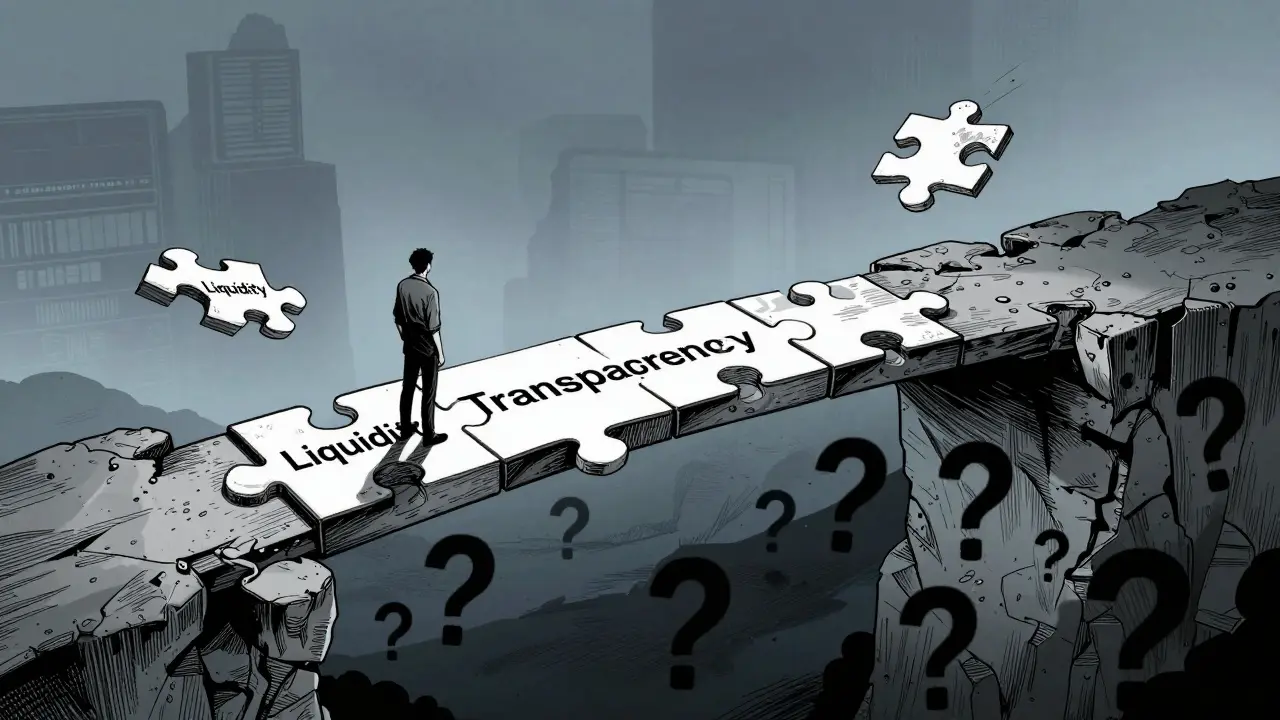
Let’s be direct: investing in micro-cap gaming tokens is risky. Here is why Rebel Cars falls into the "high-risk" category despite its professional backing.
1. Lack of Tokenomics Transparency
Most reputable projects publish detailed whitepapers explaining total supply, vesting schedules for team members, and inflation rates. For Rebel Cars, this information is sparse. Without knowing how many tokens will be released in the future, you cannot accurately assess potential dilution. If the developers decide to mint millions more RC tokens, your share of the pie shrinks instantly.
2. Game Adoption Uncertainty
The value of RC is tied to the success of the game. If players find the racing mechanics boring or the graphics outdated, they will stop playing. If they stop playing, they stop buying RC for upgrades. Currently, the project has had public alpha demos, but widespread adoption has not yet occurred. A game that isn't fun is just a token with no utility.
3. Exchange Delisting Risk
Because RC trades on smaller exchanges, it is vulnerable to delisting. If MEXC or BitMart decides to remove RC due to low volume or regulatory pressure, liquidity could dry up overnight. You might find yourself holding tokens with no easy way to convert them back to cash.
Is Rebel Cars Right for You?
This depends entirely on your goals.
If you are a racing enthusiast who loves the idea of owning digital cars and wants to try out Web3 gaming, Rebel Cars offers a unique entry point backed by a veteran studio. The alpha demos provide a chance to test the waters without heavy financial commitment.
If you are a crypto investor looking for quick gains, proceed with extreme caution. The micro-cap nature means high volatility. You could see 20% swings in a day, but you could also lose everything if the project fails to gain traction. Never invest money you cannot afford to lose.
For most users, the best approach is to treat RC as a speculative experiment. Allocate only a tiny fraction of your portfolio-money you are willing to write off-to explore the Elysium ecosystem and the Rebel Cars game. Keep an eye on their Telegram channel and official social media for updates on new features, as the lack of formal roadmaps means community announcements are your primary source of truth.
What blockchain is Rebel Cars (RC) built on?
Rebel Cars (RC) is built on the Elysium network. It is not on Ethereum, BNB Chain, or Solana. This means you need a wallet compatible with Elysium to store and transact with RC tokens.
Can I make money playing Rebel Cars?
Yes, the game features a "play-to-earn" model. During public alpha demos and limited-time events, players have earned RC tokens by participating in races and challenges. However, earnings depend on your skill, the event structure, and the market value of RC at the time of payout.
Where can I buy RC tokens?
RC is traded on several centralized exchanges, including MEXC, BitMart, and Biconomy. You typically need to deposit USDT and trade it for RC. Check CoinMarketCap or CoinGecko for the most current list of supported exchanges.
Who develops Rebel Cars?
The project is developed by IXOR DiGiTAL, a computer graphics and gaming studio with over 25 years of industry experience. This distinguishes it from many crypto projects that are launched by anonymous teams with no prior development history.
Is Rebel Cars a safe investment?
No. Like all micro-cap cryptocurrencies, RC is highly speculative and risky. It has low liquidity, limited transparency regarding tokenomics, and depends entirely on the success of a niche video game. Only invest what you can afford to lose.
What do I own when I buy an RC car NFT?
You own a non-fungible token (NFT) representing a unique car or track within the Rebel Cars ecosystem. This gives you full control over the digital asset, allowing you to use it in the game, trade it on the marketplace, or hold it as a collectible independent of the game operator.





Robert Hundley
June 25, 2026 AT 10:19Yo, this looks kinda cool! I mean, owning a car in a game that you can actually sell? That's the dream right there. 🏎️💨 Just gotta make sure the graphics don't look like they were made in 1998. If IXOR DiGiTAL is behind it, hopefully it runs smooth on my rig. Gonna check out the alpha demo for sure.
Melissa L
June 26, 2026 AT 06:31i dont get why ppl buy these tokens tho... seems risky af. what if the game sucks and u lose all ur money?? just saying.
Rob Morton
June 26, 2026 AT 21:20It is interesting to consider the philosophical implications of digital ownership. When we say we 'own' an NFT, are we truly owning anything, or merely a receipt for access? The value is derived entirely from collective belief and utility within a closed ecosystem. If the server goes down, the car vanishes. It is a fascinating paradox of modern economics where intangible assets hold tangible weight, yet remain fragile as glass.
John Curry
June 28, 2026 AT 20:19Oh, the tragedy of it all! We chase these digital phantoms, hoping for salvation in a racing game, only to find ourselves trapped in a liquidity void! 😱 The market cap is tiny, people! Tiny! It’s like trying to fill a swimming pool with a teaspoon. One large seller enters the chat, and *poof*-your portfolio is dust. It is dramatic, it is dangerous, and it is utterly captivating!
Trent Erman1
June 28, 2026 AT 21:05Hey everyone! 👋 Just wanted to drop some quick tips since I’ve been digging into the Elysium network lately. Make sure you’re using a wallet that actually supports Elysium RPCs, otherwise you’ll be staring at a blank screen wondering where your tokens went. Also, double-check those contract addresses! Scammers love to copy-paste legit-looking contracts. Stay safe out there, folks! 💪✨
Sajjad Ghorbani Moghaddam
June 30, 2026 AT 13:43Look, I’m not here to tell you what to do, but I have seen enough crypto projects fail to know that transparency is key. This project lacks a clear tokenomics whitepaper. That’s a red flag. But hey, if you want to play around with small amounts, go ahead. Just don’t expect me to bail you out when it crashes. Keep it casual, keep it light.
Rebecca Shoniker
June 30, 2026 AT 15:23Let us be perfectly clear: this is a speculative asset with negligible fundamental value. The lack of vesting schedules for team members is not merely an oversight; it is a glaring indicator of potential dilution risks. Furthermore, the reliance on third-party exchanges like MEXC introduces counterparty risk that most retail investors fail to adequately assess. Proceed with extreme caution, if at all.
Jay Sharma
July 1, 2026 AT 11:25Wake up sheeple! They are testing us with these micro-caps. Notice how it’s on Elysium? Not Ethereum. Not Binance Smart Chain. A new chain? Convenient, isn’t it? Gives them full control over the ledger. Who owns Elysium? Follow the money. They want you to think it’s innovation, but it’s just another way to rug pull before the SEC wakes up. Don’t fall for it.
Mélanie Boulay
July 3, 2026 AT 01:46I have spent considerable time analyzing the structure of Web3 gaming ecosystems, and while the concept of interoperable assets is theoretically sound, the practical implementation often falls short due to fragmented liquidity pools and inadequate user interface design, which ultimately leads to a poor user experience that discourages long-term retention among non-technical gamers who simply wish to enjoy a racing simulation without navigating complex blockchain transactions.
Maurice Flynn
July 4, 2026 AT 04:35I guess it’s fine. I’ve seen worse. Most of these games are just cash grabs anyway. If you’re gonna dip a toe in, just use money you don’t care about. Don’t get emotional about it. It’s just pixels and numbers. Chill out.
nancy jarecki
July 5, 2026 AT 12:22Please. Another 'play-to-earn' scheme? How quaint. The jargon-heavy marketing fails to mask the underlying reality: this is a Ponzi structure disguised as entertainment. Only the early adopters will profit, and they will likely exit before the general public realizes the game mechanics are secondary to the token price action. Typical.
Routh Middaugh
July 5, 2026 AT 16:32I see both sides here!! On one hand, the tech is cool!!! On the other hand, the risks are real!!! I think it’s important to balance enthusiasm with caution!!! Maybe try the free demo first??? No pressure though!!!
Ryan Peters
July 6, 2026 AT 07:04This is exactly what happens when we let globalist crypto bro-science infect our local economies. American developers should be building real infrastructure, not digital toys for degens. And now you’re telling me this is on some obscure chain? Unbelievable. Stick to Bitcoin, patriots. Everything else is just noise and distraction from the real issues.
ross harris
July 6, 2026 AT 18:04The beautiful irony of betting your financial future on a racing game where the cars don’t even exist is almost poetic. You are buying air, friends. Digital wind. And yet, the human desire for speed and ownership remains unquenched. It is a colorful mess of greed and hope, swirling together in a vortex of volatility. Enjoy the ride, but don’t forget you’re in a cardboard box.
Carl Belgrave
July 8, 2026 AT 01:09Listen up! If you’re going to invest, do it smart. But honestly, most of these projects are garbage. Why support foreign chains when we have domestic options? This RC coin is weak sauce. Low volume, low interest. It’s a trap for the uninformed. Stay strong, stay skeptical, and don’t let the hype machine fool you.
Carl Hanzel
July 8, 2026 AT 04:36You all are so naive. Of course it’s risky. Everything in crypto is risky. But you’re focusing on the wrong things. The real issue is that nobody cares about the game. Nobody. It’s a dead horse. Stop pretending it has utility. It’s a meme coin with extra steps. Save your breath.
Daniel J. Cox
July 9, 2026 AT 12:56As someone who loves classic racing sims, I appreciate the effort to bring Web3 into the mix. It’s a different culture, yes, but innovation comes from taking risks. I’d rather see a studio like IXOR DiGiTAL experiment than watch the industry stagnate. Let’s give it a chance! 🌍🏁
Emma Rémond
July 10, 2026 AT 00:04The semantic drift in your arguments is palpable. You confuse 'ownership' with 'access rights,' a distinction that is critical in legal and economic theory. Furthermore, the assertion that the game is 'fun' is subjective and unsupported by empirical data. Until there is peer-reviewed analysis of player retention rates and token velocity, this entire discussion is merely anecdotal speculation.
ELNORA JEFFERSON
July 11, 2026 AT 00:53Boring. Another article telling me what I already know. Risky? Duh. Who doesn’t know that? I don’t have time to read all this fluff about wallets and bridges. Just tell me if it’s going to moon or not. Oh wait, nobody knows. Figures. Whatever.
Carol @minaszilda
July 12, 2026 AT 20:59Take your time. There’s no rush. If it feels right, explore it gently. If not, walk away. Your peace of mind is worth more than any token. Be kind to yourself. 💖