Most people assume that if you can't use an exchange in a specific country, it's because the local government put it on a blacklist. In Iran, the reality is messier and far more complex. There isn't a single, static list of "banned" apps you can download to check off. Instead, Iranian users face a two-pronged squeeze: domestic regulations that force local platforms to hand over total control to the state, and international sanctions that cause global giants to quietly block Iranian wallets. If you're trying to trade from Tehran or Isfahan in 2026, you aren't just fighting against one enemy; you're navigating a maze of compliance traps set by both your own central bank and the US Treasury.
The situation shifted dramatically starting in late 2024. What used to be a gray market where Iranians could relatively freely swap Rials for Bitcoin has turned into a controlled environment. The Central Bank of Iran moved from tolerating crypto to actively restricting it, while simultaneously, foreign entities like Tether began freezing assets at an unprecedented scale. This article breaks down exactly which platforms are affected, why they are inaccessible, and how the regulatory landscape looks as of mid-2026.
How Iran Restricts Crypto: Domestic vs. International Bans
To understand what is actually "banned," you have to separate the two forces at play. First, there are domestic regulatory limitations imposed by the Iranian government to monitor capital flows and enforce currency controls. Second, there are international compliance-driven blocks enforced by foreign companies to avoid penalties from US authorities.
In December 2024, the Central Bank of Iran effectively blocked all direct internet payments between cryptocurrency and the Rial. This wasn't about banning a specific app like Binance; it was about cutting off the pipe. By January 2025, they started unblocking some exchanges, but only those willing to integrate with a government API. This API gives the state full access to user data, transaction history, and wallet balances. So, technically, many local exchanges are still "open," but they operate under strict surveillance. If you don't comply with this data-sharing requirement, your platform gets shut down or becomes unusable for fiat deposits.
On the other side of the border, we have the impact of US sanctions. The Office of Foreign Assets Control (OFAC) doesn't just ban banks; it targets crypto addresses. When a major stablecoin issuer like Tether freezes a wallet, it’s often because OFAC flagged it as linked to sanctioned entities. For Iranian users, this means their funds can vanish overnight, not because the exchange banned them, but because the underlying asset issuer pulled the rug out.
The State of Local Exchanges: Nobitex and the Government API
If you look at the local scene, Nobitex stands out as the most significant player. It is Iran's largest centralized exchange. However, its status is complicated. While it hasn't been officially "banned" by name in a public decree, it faces intense scrutiny due to its connections with frozen addresses. In July 2025, Tether executed its largest-ever freeze of Iranian-linked funds, targeting 42 cryptocurrency addresses. More than half of these had substantial exposure to Nobitex.
This event didn't close Nobitex, but it disrupted trust. Users who relied on Nobitex to hold USDT found themselves unable to move their funds globally. The exchange now operates heavily within the domestic loop, facilitating trades that stay inside Iran's digital borders. Other local platforms have faced similar fates. Many smaller exchanges were forced to either integrate the government's surveillance API or cease operations entirely. The result is a fragmented ecosystem where the "banned" status is less about a legal prohibition and more about operational viability. If an exchange can't process Rial deposits without triggering a central bank alert, it might as well be banned for practical purposes.
International Giants and the Sanctions Squeeze
What about the big names? Platforms like Binance, Kraken, and Coinbase have historically avoided explicitly listing Iran as a "banned" jurisdiction in their Terms of Service, preferring vague language about "sanctioned regions." However, the practical effect is often the same. Due to compliance pressure from US regulators, these platforms frequently restrict features for Iranian users. You might be able to sign up, but depositing via card or wire transfer becomes nearly impossible.
A stark example of this dynamic is the case of Bittrex, the now-bankrupt exchange. Years ago, Bittrex froze accounts belonging to Iranian nationals after US Treasury sanctions tightened. One user, Ghader, launched an $88 million lawsuit claiming he lost out on massive bull runs in 2017 and 2021. Courts ultimately rejected his damage claims because the Terms of Service gave exchanges broad discretion to suspend accounts for compliance reasons. This precedent looms large over any international exchange operating near sanctioned jurisdictions. They know the risk of losing everything in litigation is lower than the risk of an OFAC fine.
Then there is the issue of stablecoins. In September 2025, just hours before UN sanctions were reinstated, Iran's Deputy Governor Asghar Abolhasani announced strict limits on holding stablecoins like Tether. Individuals can only buy up to $5,000 annually and hold no more than $10,000. This isn't a ban on the exchange, but a ban on the asset class itself for domestic use. It forces users to look elsewhere, often turning to alternative networks or foreign jurisdictions.
Tether Freezes and the Rise of Alternative Networks
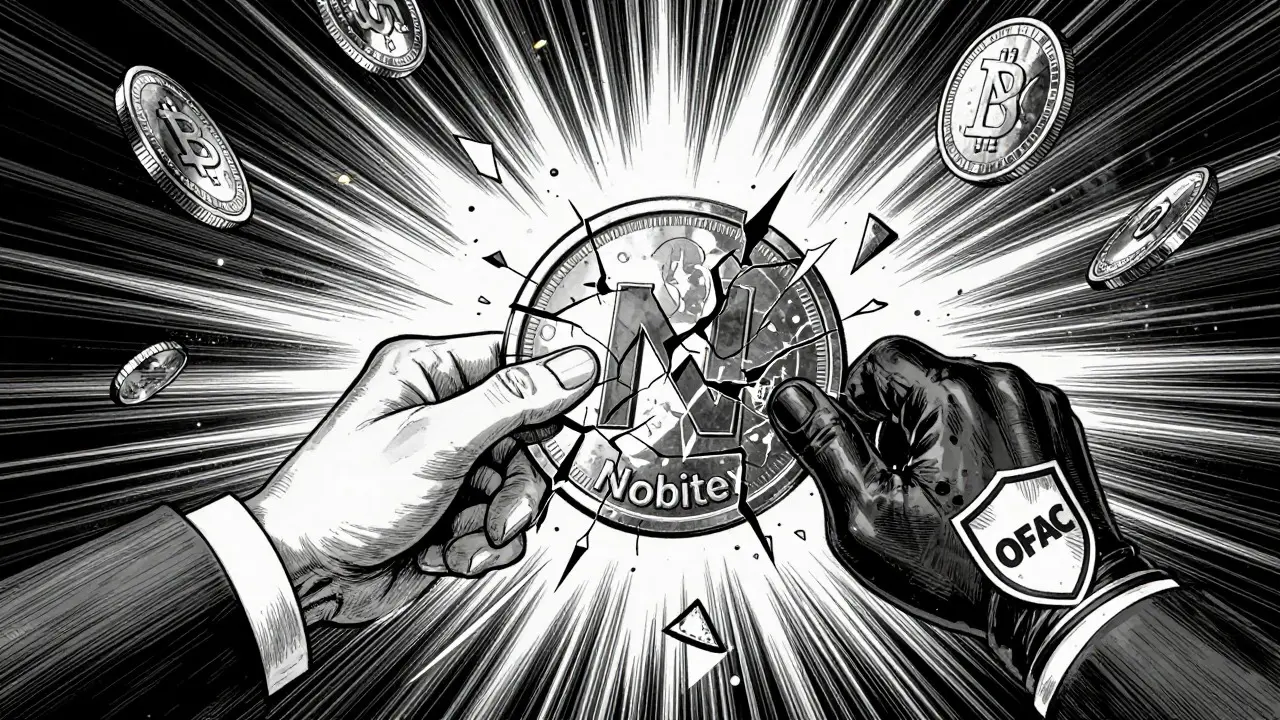
The most painful restriction for Iranian traders isn't always the exchange interface; it's the inability to move value. Tether, the issuer of USDT, has become a primary enforcement tool for sanctions. According to Tasnim News Agency, thousands of Iranian accounts have been blocked based on Tether's internal data. This creates a constant game of cat and mouse. When Tether freezes a cluster of addresses, users panic. In July 2025, following a major freeze, coordinated efforts by influencers and local exchanges urged users to quickly swap USDT into DAI via the Polygon network. Why? Because DAI is decentralized and harder to trace to specific sanctioned individuals compared to Tether's centralized ledger.
This agility highlights a key trend: Iranian users are becoming sophisticated in navigating these bans. They aren't just looking for a website that accepts Rials; they are looking for liquidity pools that are resilient to unilateral freezes. The shift toward Layer 2 solutions and different stablecoins is a direct response to the volatility caused by external enforcement actions.
Workarounds: Turkey and Offshore Hubs
So, if you can't use the local exchanges freely and the global ones are risky, where do people go? Turkey has emerged as the primary haven. Its large, dollarized crypto economy and flexible residency channels make it a gateway. Many Iranian traders open accounts with Turkish-based brokers or exchanges, using them as a bridge to access global markets. Western governments have noted that Turkish intermediaries are central players in Iran's sanctions evasion schemes, but for the average trader, it's simply the path of least resistance.
Here is a quick comparison of the accessibility levels for different types of platforms in Iran as of 2026:
| Platform Type | Access Status | Key Restriction | Risk Level |
|---|---|---|---|
| Local Exchanges (e.g., Nobitex) | Limited / Monitored | Mandatory Government API Integration | Medium (Data Privacy) |
| Global CEXs (e.g., Binance) | Restricted | Compliance Blocks / Deposit Limits | High (Account Freeze) |
| Stablecoin Issuers (Tether) | Unstable | Address Freezes / Holding Caps ($10k) | Very High (Asset Loss) |
| DeFi Protocols | Open | Technical Complexity / Gas Fees | Low (Censorship Resistant) |
Notice the low risk for DeFi protocols. Since they don't require KYC (Know Your Customer) and run on permissionless blockchains, they are the hardest to ban. This is why we see a surge in usage of decentralized finance tools among Iranian users who want to avoid the reach of both the Central Bank and OFAC.

Taxation and the Long Game
It's not just about access; it's also about cost. In August 2025, Iran enacted the Law on Taxation of Speculation and Profiteering. This imposed a capital gains tax on cryptocurrency trading for the first time. Crypto is now treated alongside gold, real estate, and forex. This signals that Tehran intends to formally regulate the market rather than just suppress it. They want a cut of the action. This adds another layer of friction for traders, who now have to account for potential tax liabilities on top of the technical hurdles of moving money across borders.
The combination of taxation, data surveillance, and international sanctions creates a high-barrier environment. It pushes casual users out of the market and leaves only those with the resources and knowledge to navigate complex multi-jurisdictional setups. The "ban" is less of a wall and more of a filter, separating the informed from the vulnerable.
Frequently Asked Questions
Is Binance officially banned in Iran?
Not officially by name in a public decree, but practically restricted. Binance allows Iranian users to create accounts, but deposits and withdrawals are often blocked due to compliance issues with US sanctions. Many users find their accounts frozen or limited in functionality without clear warning.
Why did Tether freeze so many Iranian wallets?
Tether froze wallets to comply with US Treasury (OFAC) sanctions. These addresses were flagged as having transactional flows to sanctioned entities, such as IRGC-affiliated addresses. The freezes are a mechanism to enforce international sanctions on the crypto sector.
Can I still trade crypto in Iran in 2026?
Yes, but it requires navigating strict rules. You can use local exchanges that comply with the government API, or use DeFi protocols that don't require KYC. However, you must adhere to the $10,000 holding cap for stablecoins and be aware of new capital gains taxes.
What is the best workaround for Iranian traders?
Many traders use Turkey as a hub, opening accounts with Turkish intermediaries to access global markets. Others switch to decentralized stablecoins like DAI on networks like Polygon to avoid centralized freezes by issuers like Tether.
Does the Iranian government track my crypto transactions?
If you use a local centralized exchange that integrates with the government API, yes. The Central Bank has full access to user data and transaction history. To maintain privacy, many users turn to DeFi protocols where no single entity holds the keys to your data.