HAI price crash: What caused the drop and what it means for crypto investors
When the HAI, an algorithmic stablecoin designed to maintain a $1 peg through supply adjustments suddenly dropped below 20 cents, it wasn’t just another crypto dip—it was a full collapse. Unlike Bitcoin or Ethereum, HAI wasn’t backed by cash or reserves. It relied on complex smart contracts and market incentives to stay stable. When confidence cracked, the whole system unraveled in hours. This is what happens when a stablecoin tries to mimic stability without real-world backing.
What made HAI different from USDT or USDC? It didn’t hold dollars in a bank. Instead, it used a dual-token model: HAI for trading, and another token (usually called a governance or seigniorage token) to absorb volatility. When demand fell, the system tried to burn HAI and mint more of the second token to drive price back up. But if traders didn’t believe in the model—especially during broader market stress—no amount of code could fix panic. This isn’t new. Terra’s UST did the same thing in 2022. And now HAI followed. The lesson? Algorithmic stablecoins are high-risk experiments, not safe stores of value. Even if they look stable on paper, they’re only as strong as the market’s faith in them.
Related entities like algorithmic stablecoin, a type of digital currency that maintains its value through code-driven supply changes, not collateral and crypto market volatility, the rapid and unpredictable price swings common in decentralized finance are central to understanding why HAI failed. These concepts show up again and again in posts about dead tokens like Oracle AI, 1000x by Virtuals, and BananaRepublic—projects that promised innovation but collapsed under lack of transparency, liquidity, or real utility. The HAI crash didn’t happen in isolation. It’s part of a pattern: when crypto projects rely on hype instead of hard assets or proven economics, they’re built on sand.
What you’ll find in the posts below aren’t just stories about price drops. They’re case studies in what to avoid. From fake airdrops pretending to be official, to exchanges with no website or regulation, the pattern is clear: if something sounds too good to be true—or too complex to understand—it probably is. The HAI crash teaches you to ask: Is this backed by anything real? Who’s behind it? And what happens when everyone runs for the door? These are the same questions you need to ask before buying any token. The next HAI might already be listed somewhere. Don’t wait for the crash to learn the lesson.
Nov
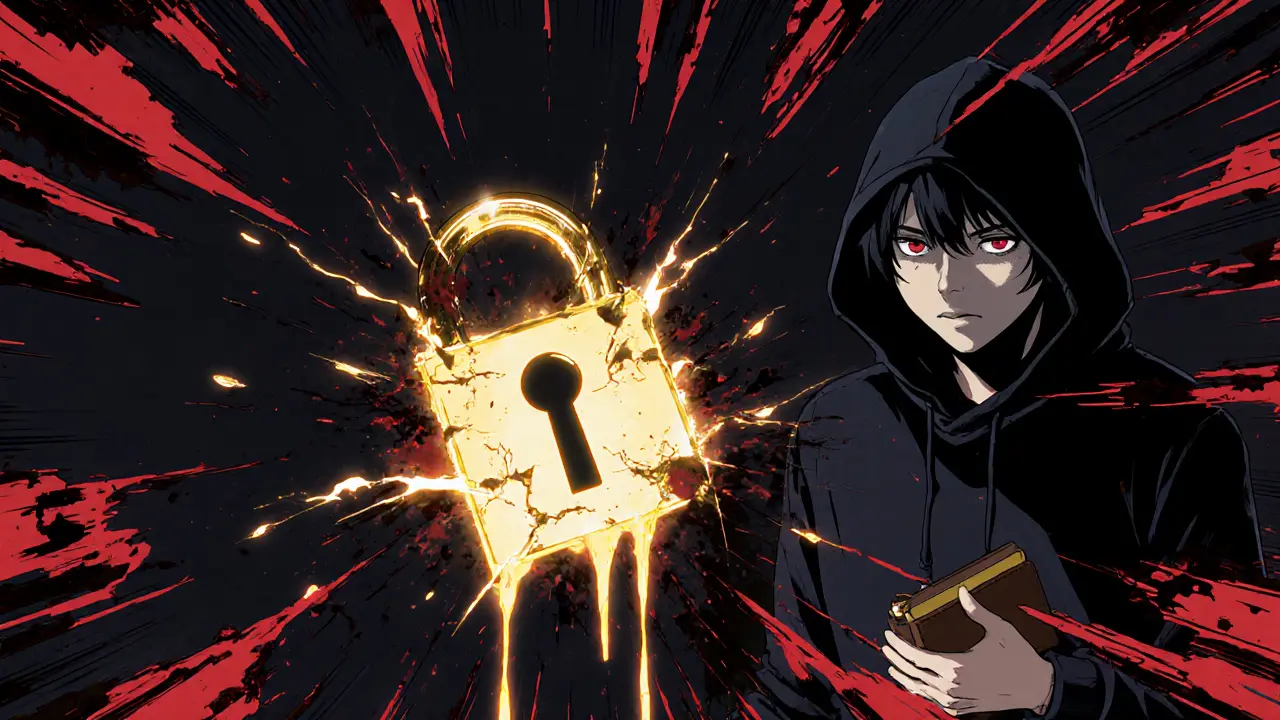
HAI token, once used for staking and governance on Hacken’s cybersecurity platform, crashed 99% after a private key leak allowed attackers to mint millions of new tokens. No airdrop exists - claims of free HAI are scams.
Read More