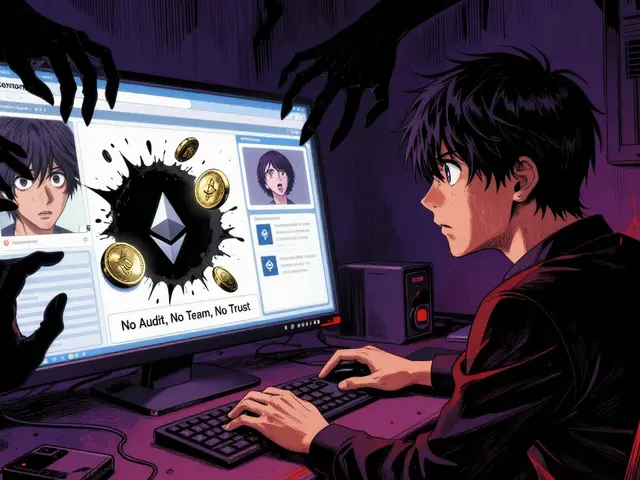
Copyright Law in Crypto: What You Need to Know About Ownership and Legal Risks
When you buy an NFT, you don’t own the art—you own a digital token, a unique record on a blockchain that points to a file. The copyright law, the legal system that protects original creative works still applies, but most people get it wrong. If you mint a copy of a Disney character as an NFT, you’re not buying rights—you’re inviting a lawsuit. Copyright law doesn’t vanish because something is on the blockchain. It just gets harder to enforce—and easier to ignore.
That’s why so many crypto projects run into trouble. Take NFT copyright, the legal gray area around who controls the underlying image or content linked to a token. The Lepasa Polqueen NFTs? Those were unique avatars, but the creators still had to make sure they didn’t copy someone else’s design. TRUST AI’s fake AI claims? Those weren’t just misleading—they could be fraud under copyright and advertising law. Even the Trabzonspor fan token isn’t about owning the team—it’s about access rights granted by the club. Copyright law here isn’t about the token. It’s about what the token unlocks.
And it’s not just NFTs. When a project like Oracle AI claims its AI can trade crypto better than humans, and then vanishes, that’s not just a scam—it’s a violation of how copyright protects software code and marketing claims. If someone copies a DeFi protocol’s code and relaunches it as their own, that’s copyright infringement. If a crypto exchange uses a logo that looks like another’s, that’s trademark and copyright overlap. The blockchain intellectual property, how ownership of digital creations is claimed, licensed, or stolen on-chain is still being written in courtrooms from India to Egypt. Law 194 in Egypt bans crypto trading, but it doesn’t touch copyright. Meanwhile, in Nigeria, the SEC is now requiring institutions to verify who owns the assets they’re tokenizing. That’s copyright law creeping into finance.
Here’s what you need to know: owning a token doesn’t mean owning the rights to what it represents. If you’re building a project, assume someone will copy you—and protect your work. If you’re buying NFTs or crypto assets, ask: who made this? Do they own it? Is this even legal where you live? The posts below show real cases—where copyright law caught up with crypto projects, where creators got sued, where users lost money because they assumed ownership was automatic. You won’t find a simple answer. But you’ll see the patterns. And that’s how you avoid getting burned.
Dec
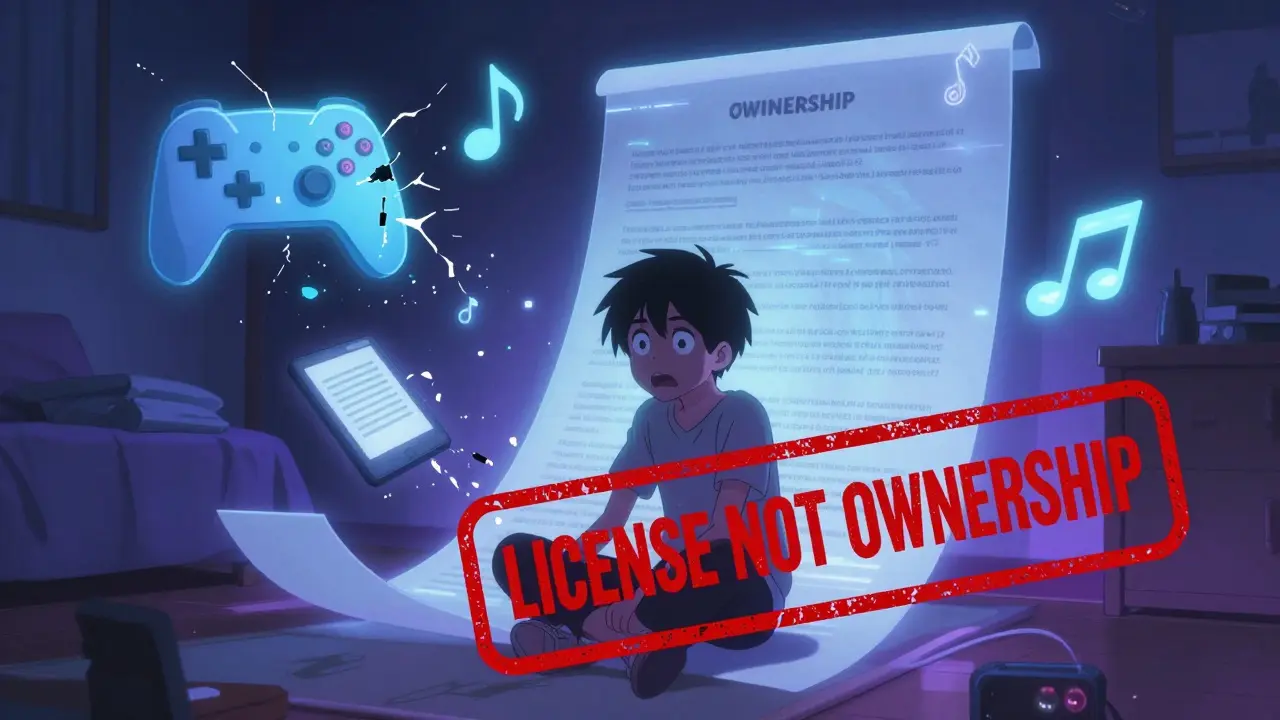
Most digital purchases aren’t sales - they’re licenses. Learn what you really own online, how California’s new law forces transparency, why blockchain offers real ownership, and what steps you can take to protect your digital assets.
Read More