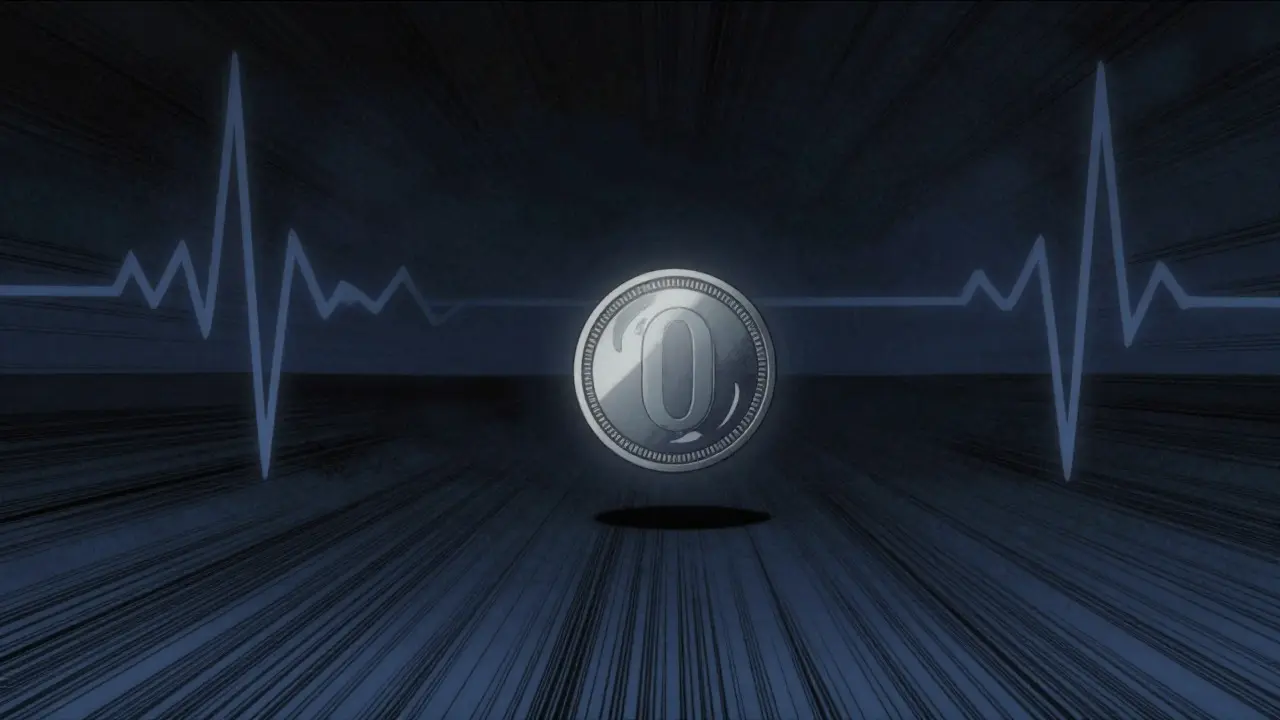
There is a lot of noise in the crypto space right now, especially around token distributions. You might have seen posts about the SafeLaunch (SFEX) airdrop and wondered if it's worth your time or wallet balance. The short answer? Proceed with extreme caution. As of mid-2026, the SFEX token shows zero trading volume on major trackers like CoinMarketCap, which is a massive red flag for any active distribution program.
If you are holding an SFEX token or thinking about claiming one, you need to know what you are dealing with. This isn't just another hype cycle; it's a case where the lack of data speaks louder than any marketing tweet. Let's break down the current state of the project, why the silence matters, and how to protect yourself from the common traps that come with obscure airdrops.
The Current State of the SFEX Token
To understand the airdrop situation, we first have to look at the asset itself. The SFEX token is a digital asset associated with the SafeLaunch platform, currently listed with negligible market activity. When you check live data on standard cryptocurrency aggregators, the price often lists as $0 USD with a 24-hour trading volume of $0 USD. In the world of decentralized finance, this usually means one of two things: the token has been delisted from major exchanges, or it is so illiquid that no one is buying or selling it in meaningful quantities.
This stands in stark contrast to established projects. For example, the SAFE token from Safe Global, which shares a similar name but is a completely different entity, maintains a market capitalization above $226 million and daily volumes exceeding $8.8 million. The gap between these two metrics is not just significant; it is indicative of a fundamental difference in project health. If SafeLaunch were running a robust airdrop campaign designed to bootstrap liquidity, you would expect to see at least some secondary market interest. The absence of this activity suggests that the 'airdrop' may be more of a technicality than a genuine economic event.
Why the Lack of Information is a Red Flag
In 2025 and 2026, legitimate airdrop programs have become highly transparent. Projects like Meteora, Hyperliquid, and EigenLayer publish detailed tokenomics, clear vesting schedules, and verifiable eligibility criteria. They use point systems and on-chain activity metrics that anyone can audit. SafeLaunch, however, lacks this foundational documentation. There is no comprehensive whitepaper detailing the distribution mechanism, no clear team information, and minimal coverage in major industry publications.
When a project announces an airdrop, you should expect three things immediately: a verified social media presence, a smart contract address that has been audited by a reputable firm, and a clear roadmap for post-airdrop utility. If you cannot find these elements through official channels, the risk profile changes drastically. The silence from SafeLaunch in major databases isn't just an oversight; it's a signal that the project may not be actively maintained or that the airdrop is a low-priority initiative with little long-term value.
Comparing SafeLaunch to Established Airdrop Models
To put the SFEX situation into perspective, let's compare it to a well-documented example. The SAFE token airdrop serves as a good benchmark for what 'legit' looks like. Here is how the two differ:
| Attribute | SafeLaunch (SFEX) | Safe Global (SAFE) |
|---|---|---|
| Current Trading Volume | $0 USD (Negligible) | >$8.8 Million Daily |
| Market Capitalization | Unclear / Negligible | >$226 Million |
| Public Tokenomics Documentation | Limited / Absent | Detailed (Max Supply 1B, 5% Airdrop Allocation) |
| Verification Sources | Scattered / Unverified | CoinMarketCap, Major News Outlets |
| Risk Level for Participants | High | Moderate (Standard Market Risk) |
Notice how the SAFE token had a defined allocation of 50 million tokens specifically for airdrops, with an initial drop of 25 million subject to vesting. That level of planning creates trust. Without similar specifics for SFEX, you are essentially guessing whether the tokens you claim will ever hold value or if they are just dust on your wallet.
Security Risks: The Hidden Cost of Claiming
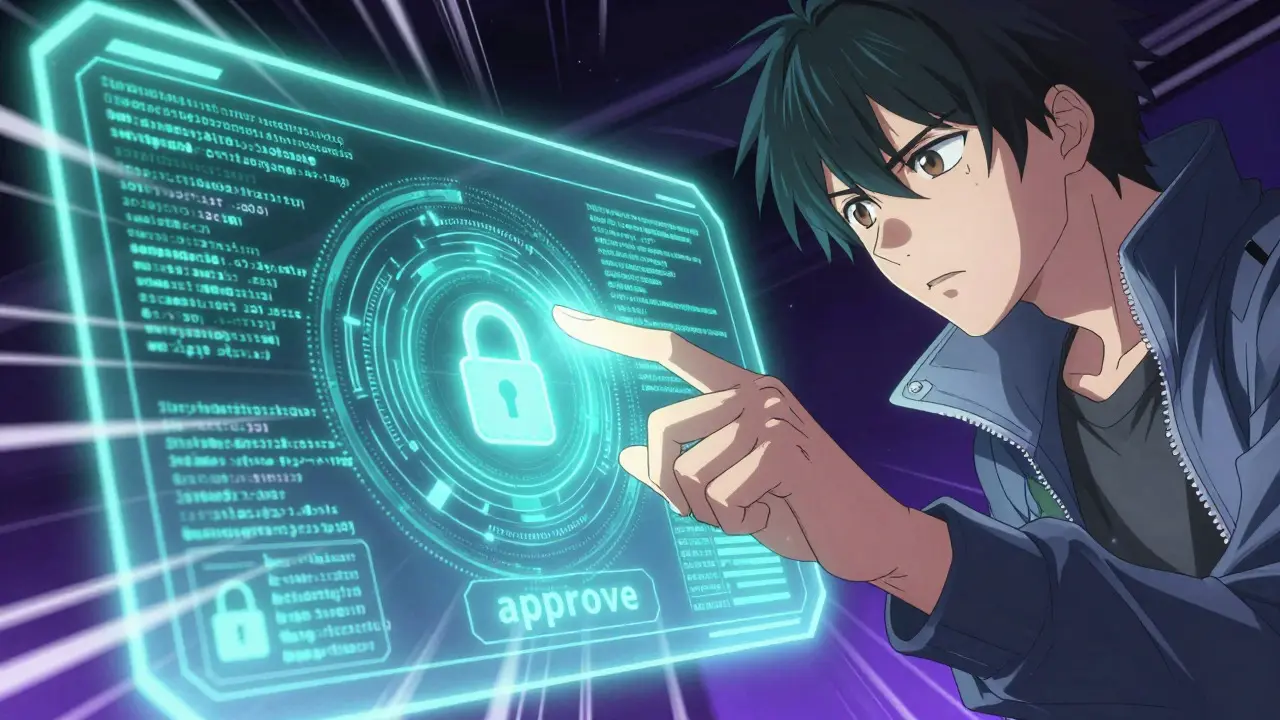
Even if the SFEX token itself turns out to be worthless, the act of claiming it carries inherent risks. The biggest threat in the current airdrop landscape is not the token's price, but the smart contract interaction required to receive it. Malicious actors frequently use airdrops as a vector for scams. They send tokens to your wallet, hoping you will try to sell them. When you do, you interact with a malicious smart contract that drains your entire wallet balance.
This is particularly dangerous on networks like Ethereum, Solana, and BNB Smart Chain. Attackers exploit users who don't check the contract address before approving a transaction. If you decide to engage with SFEX, do not just click 'approve' blindly. Check the contract address against the official SafeLaunch website (if it exists and is verified). Better yet, use a hardware wallet like Trezor Suite, which now includes features to blur scam airdrop tokens and sort them into a dedicated 'Hidden' section. This simple step can save you from losing funds to a rug pull disguised as a free gift.
How to Verify Any Airdrop Before You Click
Whether it's SFEX or the next big thing, you need a consistent process for vetting opportunities. Don't rely on Twitter hype or Telegram groups. Use this checklist to protect yourself:
- Check Liquidity First: Look up the token on CoinMarketCap or CoinGecko. If the 24-hour volume is near zero, the exit strategy is non-existent. You can't sell what no one buys.
- Verify the Contract Address: Go to Etherscan (or the relevant block explorer) and check the token's contract. Is it verified? Has it been audited by firms like CertiK or OpenZeppelin?
- Look for Team Transparency: Who is behind the project? Are their LinkedIn profiles public? Do they have a track record in blockchain development?
- Assess Community Sentiment: Search Reddit and Discord for complaints. If people are asking 'where is my token?' without answers, run away.
- Use a Burner Wallet: Never claim airdrops with your main wallet. Create a fresh wallet with only the gas fees needed to claim. If it gets drained, you lose nothing but a few dollars in gas.
Applying this to SafeLaunch, the first bullet point alone should make you hesitate. With $0 volume, there is no market. Without a market, there is no value. Unless you are purely collecting NFTs or tokens for governance rights in a private ecosystem, the financial incentive is nearly nil.
What Should You Do With SFEX Now?
If you already have SFEX tokens in your wallet, you have three options. First, you can ignore them. If they have no volume, they won't affect your portfolio value unless you try to move them. Second, you can monitor the project's official channels for any sudden announcements of exchange listings. If a major exchange like Binance or Coinbase lists SFEX, the volume will spike, and you can sell. Third, you can write them off as a loss or a curiosity. Given the current data, waiting for a miracle listing is a high-risk bet with low probability.
Do not pay extra fees to 'unlock' or 'stake' these tokens unless you are 100% sure of the contract's safety. Scammers love to target holders of dead tokens, offering fake staking pools that promise high returns. Keep your distance. The safest move in crypto is often the one that keeps your hands off the keyboard until the data supports action.
Frequently Asked Questions
Is the SafeLaunch (SFEX) airdrop legit?
It is difficult to confirm legitimacy due to a lack of public documentation and zero trading volume. While not necessarily a scam, it lacks the transparency and market activity of established projects. Treat it as high-risk and verify all contract addresses before interacting.
Where can I trade SFEX tokens?
Currently, SFEX has negligible to zero trading volume on major centralized exchanges. It may only be available on specific decentralized exchanges (DEXs) if a liquidity pool exists. Check DEXScreener for real-time pair availability, but be aware that slippage may be very high.
How do I avoid getting scammed when claiming an airdrop?
Always use a separate burner wallet for claims. Verify the smart contract address on a block explorer like Etherscan. Avoid clicking links from unverified social media posts. Use hardware wallets that filter out known scam tokens, and never approve unlimited token allowances to unknown contracts.
What is the difference between SafeLaunch (SFEX) and Safe Global (SAFE)?
They are completely different entities. Safe Global (SAFE) is a well-known multi-sig wallet protocol with a large market cap and active trading. SafeLaunch (SFEX) is a lesser-known project with currently inactive markets. Do not confuse the two based on similar names.
Should I stake SFEX to earn rewards?
Only if you have verified the staking contract is safe and the rewards are sustainable. Given the current $0 volume, staking yields are likely speculative. Most experts recommend avoiding staking on illiquid tokens until secondary market activity proves the project's longevity.