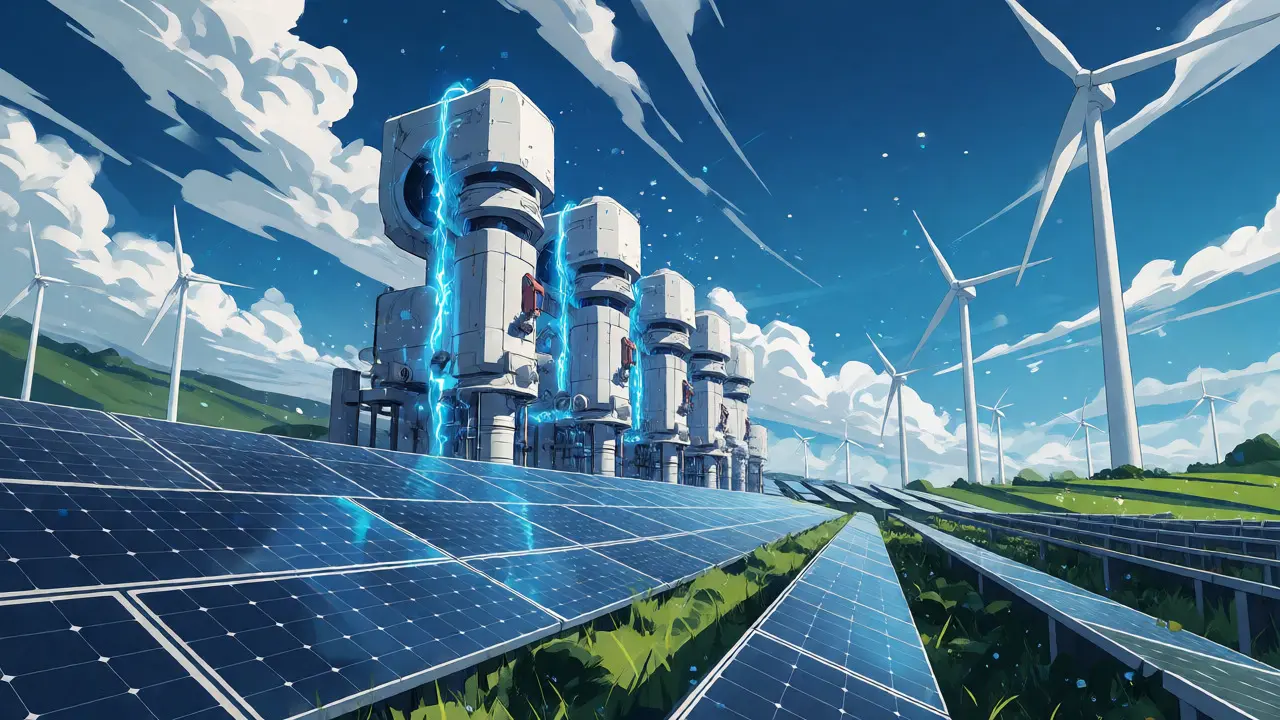
You might think Bitcoin is the ultimate energy hog, a digital monster eating coal-fired electricity for breakfast. But here’s the twist that surprises most people in 2026: more than half of the network now runs on clean power. Yes, you read that right. According to the Cambridge Centre for Alternative Finance's 2025 report, sustainable sources account for 52.4% of total mining energy usage. This isn't just a PR stunt; it’s a survival strategy driven by cold, hard economics and tightening regulations.
If you’re looking at this from an investor’s perspective or just curious about where your transaction fees go, understanding how miners use solar, wind, and hydro isn't optional anymore-it’s essential context. We’re going to break down exactly how this works, who is doing it best, and why some experts still argue it’s all smoke and mirrors.
The Numbers Behind Green Mining
Let’s look at the actual data before we get into the tech. Bitcoin mining consumes roughly 150 terawatt-hours (TWh) annually. To put that in perspective, that’s about the same amount of electricity used by a small nation like Argentina or the Netherlands. It sounds terrifying until you realize where that power comes from.
The breakdown tells a different story than the "coal-only" narrative of five years ago. While natural gas remains the largest single source at 38.2%, renewables have surged. Wind, solar, and hydro make up 42.6% of the mix, with nuclear adding another 9.8%. This shift didn’t happen because miners suddenly developed a conscience. It happened because renewable energy is often cheaper when you can use it flexibly.
| Energy Source | Percentage of Total Usage | Primary Driver |
|---|---|---|
| Natural Gas | 38.2% | Cost efficiency & flare gas capture |
| Renewables (Wind/Solar/Hydro) | 42.6% | Low marginal cost & grid balancing |
| Nuclear | 9.8% | Baseload stability & low carbon footprint |
| Other/Coal | 9.4% | Legacy infrastructure & regional availability |
This data comes from the Cambridge Centre for Alternative Finance, which tracks global mining operations rigorously. The key takeaway? The industry is moving away from baseload coal toward intermittent sources like wind and solar. Why? Because miners are unique customers. They can turn off their machines instantly if the price spikes, allowing them to buy cheap surplus power when the sun is shining or the wind is blowing.
How Miners Become Grid Heroes
Think of a traditional factory. If the power goes out, production stops, and money is lost. A Bitcoin miner is different. It’s a flexible load. When there’s too much wind energy in Texas and prices drop to zero-or even negative-miners ramp up consumption. When demand peaks and everyone else needs power, miners throttle down.
This behavior makes miners act like virtual batteries. In Texas, which has become a global hub due to its deregulated market, miners consume about 32% of the state’s curtailed wind energy. "Curtailed" means the grid operator had to waste that energy because there was nowhere to send it. By absorbing this excess, miners pay premium rates during these windows, generating revenue that incentivizes wind farm developers to build more capacity. Since 2020, this dynamic has helped expand wind capacity in the region by 8% annually.
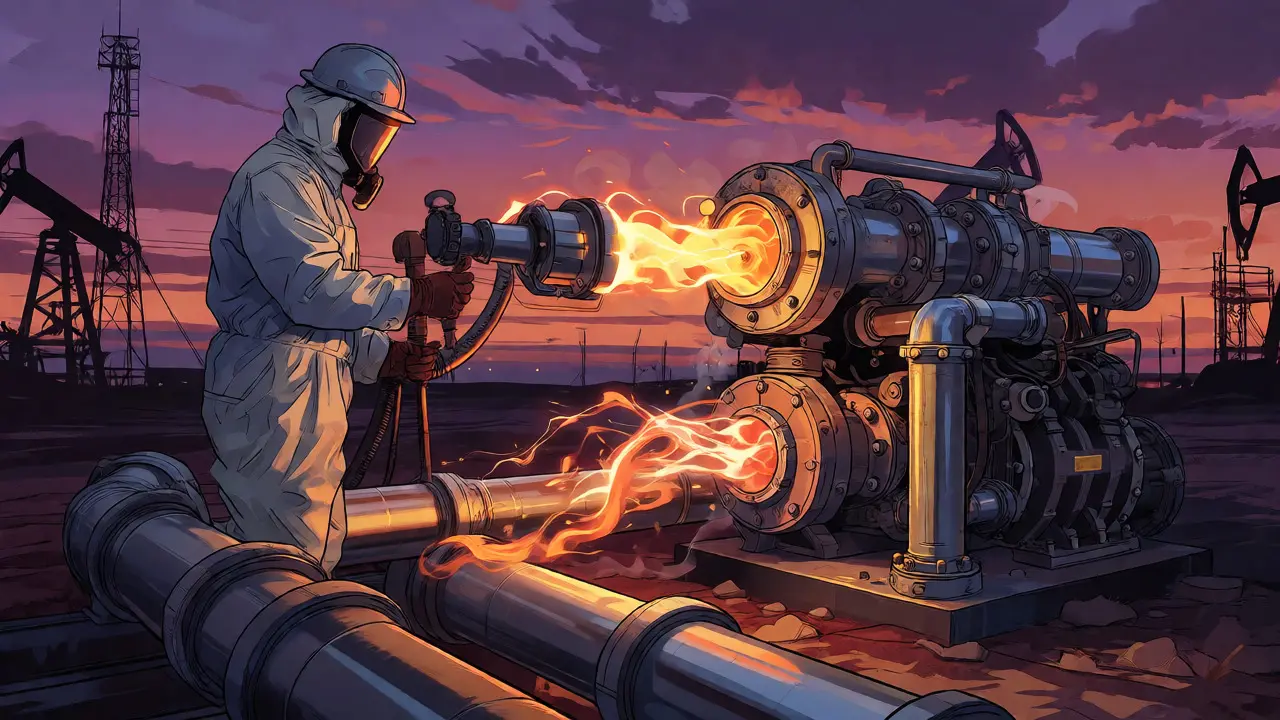
Companies like Gryphon Digital Mining take this further. They focus on flare gas utilization. Instead of letting methane burn off into the atmosphere at oil wells, they capture it and convert it into electricity for mining rigs. This turns a waste product into profit while reducing greenhouse emissions. It’s a clever arbitrage of environmental policy and commodity pricing.
Who Is Leading the Charge?
Not all green mining is created equal. Some companies are purely opportunistic, jumping between grids based on hourly prices. Others are building long-term infrastructure. Let’s look at three distinct models dominating the landscape in 2026.
- CleanSpark: They operate over 950 MW of capacity across the US. Their strategy involves multi-source portfolios and heavy community engagement. By January 2025, they hit an operating hash rate of 12.8 exahashes per second (EH/s). They’re also diversifying into AI computing, using the same power infrastructure for high-performance computing sites in places like Sharon, Pennsylvania.
- TeraWulf: This company bets big on nuclear and hydroelectric power. Why? Because weather doesn’t matter. Nuclear plants run 24/7 regardless of whether the sun shines. This provides consistent, low-cost baseload power, shielding them from the volatility of spot markets.
- Iris Energy: They claim 100% renewable usage through modular facility designs. Iris has been aggressive in pivoting towards artificial intelligence workloads, recognizing that GPU clusters for AI need similar cooling and power density as ASIC miners. This dual-use model maximizes asset utilization.
These aren't just theoretical advantages. Following the Bitcoin halving in April 2024, block rewards dropped from 6.25 BTC to 3.125 BTC. Suddenly, every kilowatt-hour mattered twice as much. Miners with access to cheap, stranded renewable energy survived; those relying on expensive fossil fuels struggled or exited.
The Skeptics' Case: Is It Really Green?
Before you start planting trees in honor of your Bitcoin holdings, consider the counter-arguments. Environmental groups like Earthjustice and the Sierra Club argue that much of this "green" narrative is misleading. Their main point? Miners often just plug into existing grids that are already partially renewable. If a miner uses hydro power in Washington State, did they cause new hydro dams to be built? Probably not. They just took a slot that could have gone to a local business or home.
Mandy DeRoche, deputy managing attorney at Earthjustice, points out a critical issue: displacement. When cheap, clean hydroelectric power gets consumed entirely by crypto farms, humans and small businesses lose access to it. They then have to buy energy from alternative sources, which are often fossil fuel-based. So, while the miner’s invoice says "hydro," the net effect on the grid might be increased fossil fuel combustion elsewhere.
Steven Ferrey, an energy law expert, adds that miners tend to locate where energy costs are lowest, which often means regions with subsidized or abundant but non-renewable resources. Even in the Pacific Northwest, known for its hydro abundance, less than half of mining operations actually utilize dedicated renewable contracts. The rest rely on the general grid mix, which includes natural gas and imported coal.
Real-World Challenges: Noise, Land, and Lawsuits
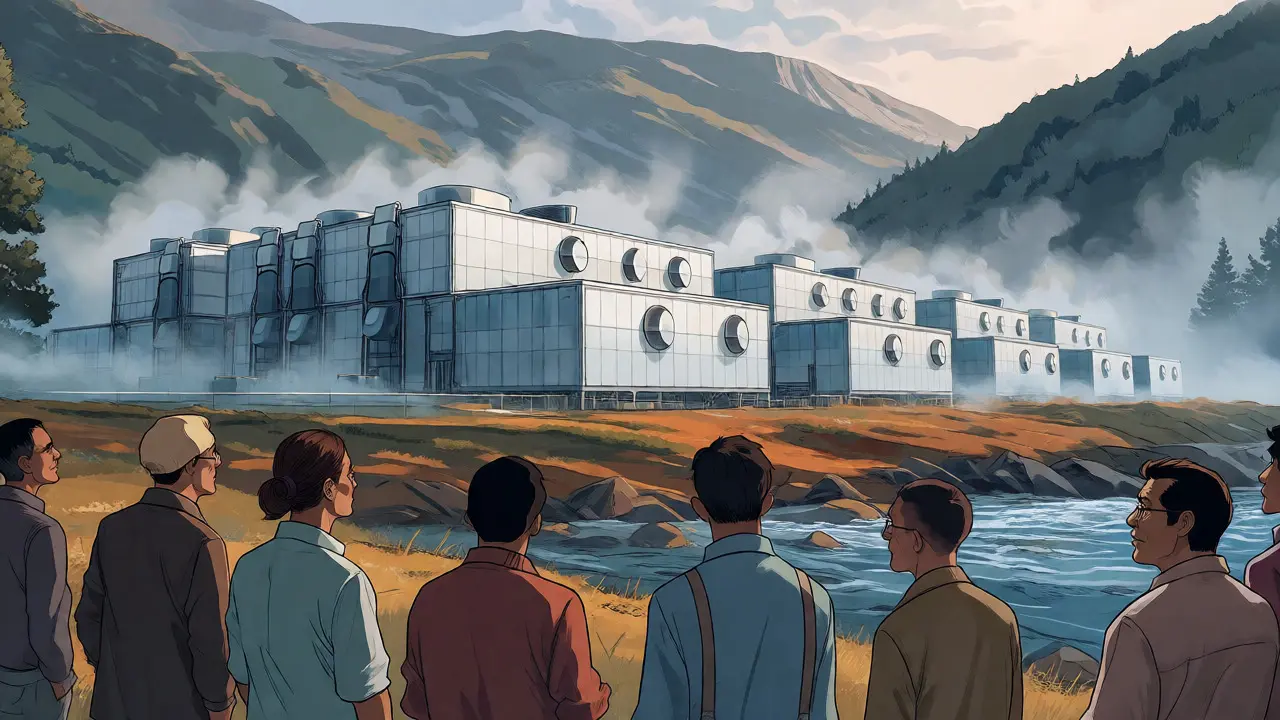
It’s not just about carbon footprints. There’s a physical impact. In Texas, residents living near mining facilities have filed multiple lawsuits over noise pollution. ASIC miners are loud. The constant hum of cooling fans creates a drone that never stops, day or night. Local ordinances are starting to threaten operations, forcing companies to invest in quieter technologies like immersion cooling, where servers are submerged in dielectric fluid instead of being air-cooled.
Land use is another battleground. In Chile’s Atacama Desert, a 2.5 MW solar farm was built specifically to power a Bitcoin mine. The good news? Excess energy now supplies the local grid, powering about 1,200 homes. The bad news? These projects require vast amounts of land, leading to conflicts with agricultural communities and conservationists.
Then there’s the regulatory risk. Kuwait recently banned mining operations entirely, citing strain on the national power grid. In the US, while federal regulations have relaxed under recent administrations, state-level pushback is growing. New York, for example, implemented moratoriums on proof-of-work mining powered by fossil fuels. Investors need to factor in this legal uncertainty. A profitable mine today could be shut down tomorrow by a city council vote.
Future Outlook: Integration and Diversification
Where does this go from here? The trend is clearly toward integration. Miners are no longer just Bitcoin factories; they are becoming energy brokers. By signing Power Purchase Agreements (PPAs) with renewable developers, miners provide upfront capital for new solar and wind farms. In exchange, they lock in predictable energy rates for years. This helps developers secure financing, accelerating the transition to renewables.
We’re also seeing a convergence with AI. As hardware becomes more efficient, the line between crypto mining and high-performance computing blurs. Companies like Bitfarms and CleanSpark are expanding into HPC services. If Bitcoin mining profitability dips, they can pivot their infrastructure to serve AI training demands without rebuilding the entire facility. This flexibility is crucial for long-term viability.
For the average user, this means the environmental cost of transacting in Bitcoin is likely lower than headlines suggest. However, it’s not zero. The industry is improving, but it faces significant hurdles regarding grid reliability, community acceptance, and honest accounting of indirect emissions. Keep an eye on the Cambridge reports and local zoning laws-they tell the real story better than any whitepaper.
Is Bitcoin mining really 50% renewable?
According to the Cambridge Centre for Alternative Finance's 2025 report, approximately 52.4% of Bitcoin mining energy comes from sustainable sources, including renewables and nuclear. However, critics argue that much of this relies on existing grid infrastructure rather than new renewable generation, meaning the net addition of green energy may be lower than the percentage suggests.
Why do miners prefer wind and solar if they are intermittent?
Miners can turn their operations off almost instantly. This allows them to consume excess renewable energy when prices are low or negative (during oversupply) and reduce consumption when grid demand is high. This flexibility makes them ideal partners for renewable developers who struggle to store intermittent energy.
What is flare gas mining?
Flare gas mining involves capturing methane gas that would otherwise be burned off (flared) at oil drilling sites. Companies like Gryphon Digital Mining convert this waste gas into electricity to power Bitcoin miners, reducing greenhouse emissions while generating revenue from an otherwise wasted resource.
Do miners increase electricity bills for regular people?
It depends on the region. In areas with abundant surplus energy, miners may stabilize the grid and keep prices low. However, in regions with limited capacity, high mining demand can drive up wholesale prices. Critics argue that miners displace residential users from cheap renewable sources, forcing those users onto more expensive fossil-fuel alternatives.
Which countries have banned crypto mining?
Several countries have imposed bans or strict restrictions. China issued a comprehensive ban in 2021. More recently, Kuwait banned mining operations in 2025 due to grid strain. Other nations, including parts of the US like New York, have implemented temporary moratoriums on fossil-fuel-powered mining.