Remember the winter of 2021? The air was thick with hype around non-fungible tokens (NFTs). Artists were minting digital works for millions, and every new project promised to change the game. One name that popped up frequently in those early days was MurAll, an on-chain collaborative mural project that distributed its native PAINT token through a massive airdrop. If you held an NFT back then, or if you are just catching up on crypto history, you might be wondering about the specifics of that distribution. Was it profitable? How did it work? And more importantly, what is happening with the PAINT token today?
The MurAll PAINT airdrop was not just another random giveaway. It was a targeted campaign designed to reward the very people who built the early NFT ecosystem. By late 2020 and early 2021, the concept of digital ownership was exploding, but many projects struggled to find genuine community members versus speculators. MurAll chose a different path. They offered free tokens to verified artists and serious collectors, betting on the idea that real creators would drive value for their platform-a giant, uncensored digital canvas where anyone could draw using PAINT tokens.
How the MurAll PAINT Airdrop Worked
To understand the impact of this event, we need to look at the mechanics. Unlike modern airdrops that often require complex social media tasks or holding specific meme coins, the MurAll distribution relied on two strict snapshots taken in late 2020. This approach ensured that only established participants in the space received tokens.
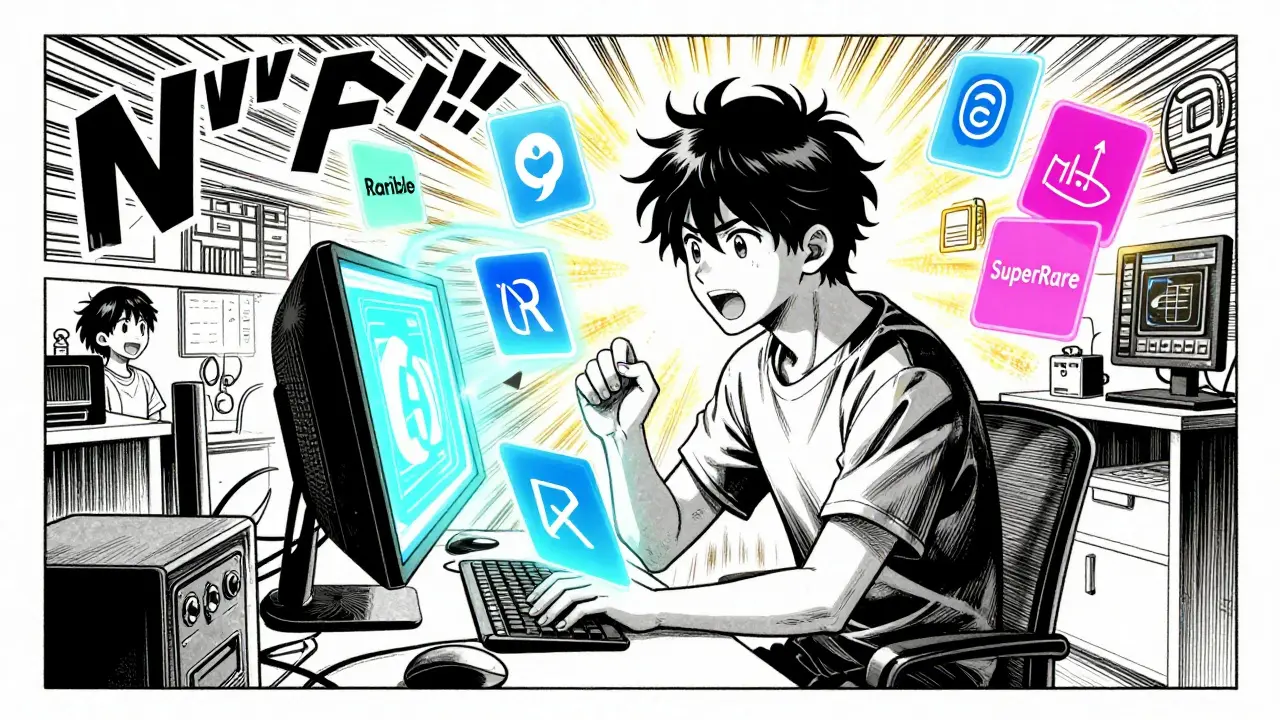
The first group targeted was Verified NFT Artists. To qualify, you had to have sold or listed work on major platforms like Known Origin, Rarible, SuperRare, or Async Art. The snapshot date for these artists was November 15, 2020. If your wallet was linked to one of these accounts on that date, you were eligible to claim a staggering 1,048,576 PAINT tokens.
The second group consisted of NFT Holders. This category was broader but still exclusive. You needed to hold ERC-721 compatible tokens as of December 18, 2020. However, there was a catch: the system checked your transaction history. You had to have more incoming transactions than outgoing ones. This rule filtered out flippers and traders, rewarding only those who genuinely collected and held digital art. These holders received 193,537 PAINT tokens per qualified wallet.
The claiming window remained open until January 22, 2022. This gave recipients over a year to connect their wallets-typically MetaMask-and claim their allocation. For many, this period coincided with the peak of the NFT bull run, making the potential value of those tokens incredibly attractive.
The Value Proposition: Then vs. Now
Let’s talk numbers, because that’s usually why people care about airdrops. At the height of the hype, the PAINT token carried significant weight. Reports from outlets like BeInCrypto indicated that the full artist allocation of over one million tokens could be worth between $2,100 and $3,300 depending on when you looked at the price. Even the smaller holder allocation of roughly 193,000 tokens was valued at around $400 at peak times.
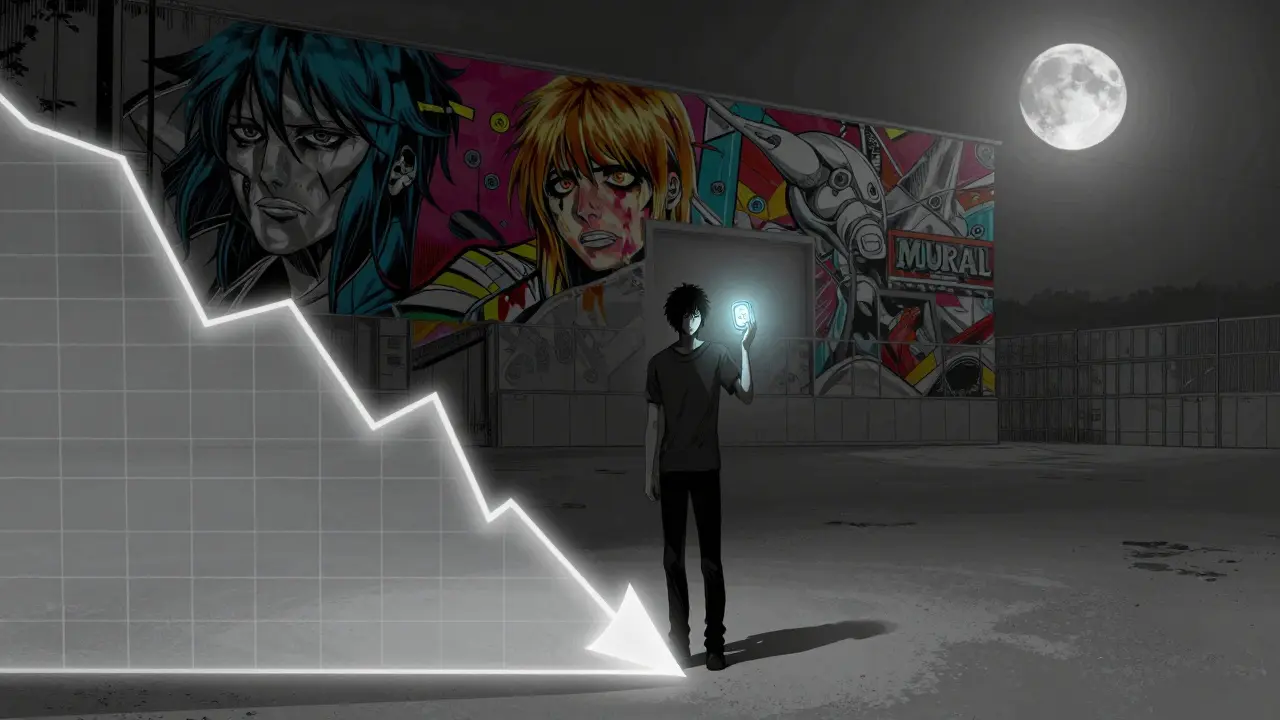
Fast forward to mid-2026, and the picture looks quite different. The crypto market has cycled through multiple bear markets, regulatory crackdowns, and shifting trends since the MurAll airdrop. Today, the PAINT token trades at a fraction of its former glory. Recent data shows PAINT hovering around $0.0000067 per token. That means the once-valuable artist allocation is now worth mere cents rather than thousands of dollars.
Why the drop? Several factors contributed. First, the broader NFT market corrected sharply after 2021. Second, the unique deflationary model of PAINT, while theoretically sound, faced practical challenges. Let’s break down how that tokenomics model actually worked.
Understanding the Deflationary Tokenomics
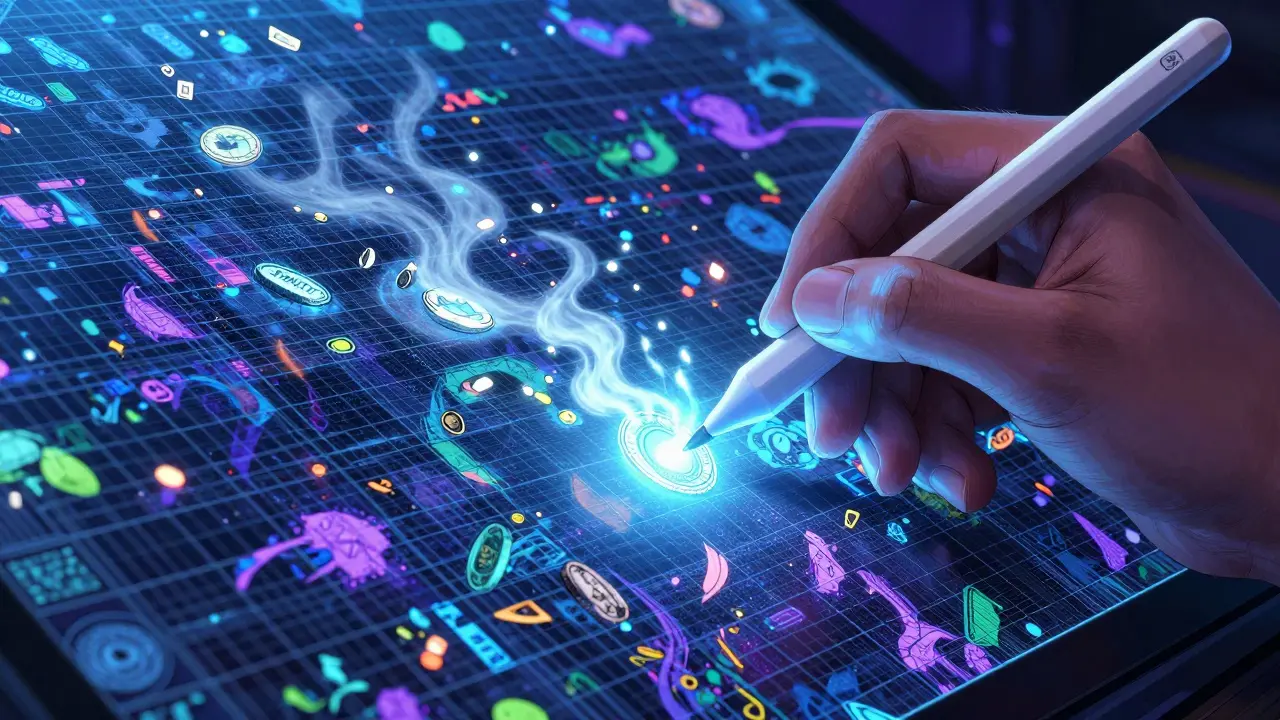
The core innovation of MurAll wasn’t just the airdrop; it was the utility of the PAINT token. Think of PAINT like physical paint. When you want to draw on the MurAll canvas-a grid of 2,097,152 pixels-you must spend PAINT tokens. But here is the twist: once used, the tokens are permanently burned. They disappear from circulation forever.
This creates a deflationary supply. The maximum supply was set at 22 billion tokens. As users drew on the canvas, the total supply decreased. In theory, this scarcity should drive up the price of remaining tokens, rewarding those who held onto them. At the time of the airdrop, only about 8 billion tokens were in circulation, meaning billions had already been burned by early adopters testing the platform.
However, for deflation to support price, there needs to be demand. Demand comes from usage. If fewer people are drawing on the canvas, fewer tokens are being burned, and the pressure on the price eases-or worsens, depending on how you look at it. With low trading volume and minimal platform activity in recent years, the burn rate slowed significantly. Currently, over 11.5 billion tokens remain in circulation, indicating that while burns continue, they are not happening fast enough to counteract market sell-offs.
The Canvas and NFT Generation Mechanics
You might wonder, "What do I get for burning my tokens?" When you use PAINT to draw on the MurAll canvas, you don’t just leave a mark. You automatically generate a unique MurAll NFT. This NFT represents your specific contribution to the collective mural. It contains your drawing and can be held, traded, or displayed independently.
The canvas itself is permanent and blockchain-based. This means that even if someone else draws over your artwork later, your original contribution remains visible in the historical record. It’s a layered archive of digital expression. This feature was appealing to artists who wanted to participate in a communal creation without losing ownership of their individual strokes.
However, the utility of these generated NFTs has been limited by the overall adoption of the platform. While the technology works as intended, the cultural momentum that drove people to mint Bored Apes or CryptoPunks never fully transferred to collaborative murals. As a result, the secondary market for MurAll-generated NFTs remains niche.
Current Market Status and Liquidity
If you are holding PAINT tokens today, you might be asking where you can trade them. Liquidity is a major issue for older, niche tokens. Currently, PAINT trades exclusively on Uniswap V2 in the PAINT/WETH pair. There is no listing on major centralized exchanges like Binance or Coinbase.
The market capitalization sits at approximately $77,600, with daily trading volumes often dipping below $10. This lack of liquidity means that selling large amounts of PAINT can significantly impact the price, leading to high slippage. For most holders, the cost of gas fees on Ethereum might even exceed the value of the tokens themselves, making it economically unviable to move them unless the price sees a dramatic resurgence.
| Metric | Value |
|---|---|
| Token Price | ~$0.0000067 |
| Market Cap | $77,600 |
| Circulating Supply | 11,566,299,750 |
| Max Supply | 22,000,000,000 |
| Primary Exchange | Uniswap V2 |
| Daily Volume | <$10 |
Lessons from the MurAll Experiment
The MurAll airdrop serves as a fascinating case study in crypto community building. It succeeded in distributing tokens to a highly relevant audience-actual artists and collectors. This avoided the common pitfall of airdropping to bots or sybil attackers. However, it also highlights the difficulty of sustaining long-term engagement in Web3 projects.
The project joined a wave of decentralized applications that used airdrops as a marketing tool following the success of UniSwap’s UNI token distribution. The goal was to create a vested community that would advocate for the platform. While MurAll achieved initial awareness, maintaining that interest required continuous innovation and user incentives. Without regular updates, partnerships, or viral moments, the platform faded into the background of the vast crypto landscape.
For current investors, the takeaway is clear: past eligibility does not guarantee future value. Just because you received tokens in 2021 doesn’t mean they will appreciate. Always evaluate the current utility, active user base, and development activity of any project before assuming it holds inherent worth.
Can I still claim the MurAll PAINT airdrop?
No, the claiming period ended on January 22, 2022. Any unclaimed tokens from the original airdrop are likely lost or returned to the project treasury, depending on the smart contract implementation. New users cannot retroactively qualify for the 2020/2021 snapshot distributions.
What platforms qualified for the MurAll artist snapshot?
The artist snapshot included wallets verified on Known Origin, Rarible, SuperRare, and Async Art. These were the leading NFT marketplaces at the time. Artists on other platforms, such as Foundation or Nifty Gateway, were not included in this specific eligibility criteria.
Is the PAINT token a good investment in 2026?
Investing in PAINT carries high risk due to extremely low liquidity and minimal trading volume. The token is only available on Uniswap V2, and the market cap is under $100,000. It is considered a speculative asset with limited near-term catalysts for growth. Most financial experts advise caution with such illiquid assets.
How does the PAINT token burn mechanism work?
When a user draws on the MurAll canvas, they spend PAINT tokens to place pixels. These spent tokens are sent to a burn address, removing them from circulation permanently. This deflationary model aims to increase scarcity over time, but its effectiveness depends on consistent user activity on the platform.
What happened to the NFTs generated on the MurAll canvas?
Users who contributed to the canvas received individual NFTs representing their drawings. These NFTs are still valid and can be traded or held. However, their secondary market value is currently low due to the niche nature of the project and reduced interest in collaborative digital murals compared to standalone PFP (profile picture) collections.
Why did the PAINT token price drop so much?
The price decline reflects the broader cooling of the NFT market post-2021, combined with low platform adoption and minimal token burn rates. Without strong demand driving usage on the canvas, the deflationary pressure weakened, leading to downward price pressure typical of many early-stage Web3 projects that failed to sustain user engagement.