TRT Cryptocurrency: What It Is, Where It Stands, and What You Need to Know
When you hear TRT cryptocurrency, a token with no verifiable project, team, or trading activity. Also known as TRT token, it appears on some price trackers but has no website, no whitepaper, and no community. Most tokens that show up like this aren’t failed projects—they never existed in the first place. They’re ghost listings, created by bots or scammers to trick people into chasing phantom gains.
Real crypto projects have blockchain projects, digital assets built on open networks with clear goals, code, and teams. Think of Xterio’s gaming tokens or Trabzonspor’s fan token—these have actual users, real utility, and public track records. TRT doesn’t. It’s not listed on any major exchange. No developer has ever posted a commit. No forum has a single real thread about it. That’s not a red flag—it’s a full-blown warning siren.
Scammers love hiding behind obscure tickers like TRT because they know people will Google it, see a price on CoinGecko, and assume it’s real. But prices without substance are just numbers on a screen. Compare that to crypto scams, fraudulent schemes that mimic legitimate tokens to steal funds or spread panic—like the fake ZHT airdrop or the dead Oracle AI coin. Those projects at least had websites, fake whitepapers, and YouTube ads. TRT doesn’t even bother with that. It’s the bare minimum of deception.
Why does this matter? Because if you’re chasing tokens like TRT, you’re not investing—you’re gambling on nothing. Meanwhile, real opportunities are out there: tokens tied to actual infrastructure, fan communities, or decentralized apps. You don’t need to chase every new coin. You just need to know which ones have legs. The posts below show you exactly that—what real crypto looks like, how to spot fakes, and where to find the ones worth your time.
Dec
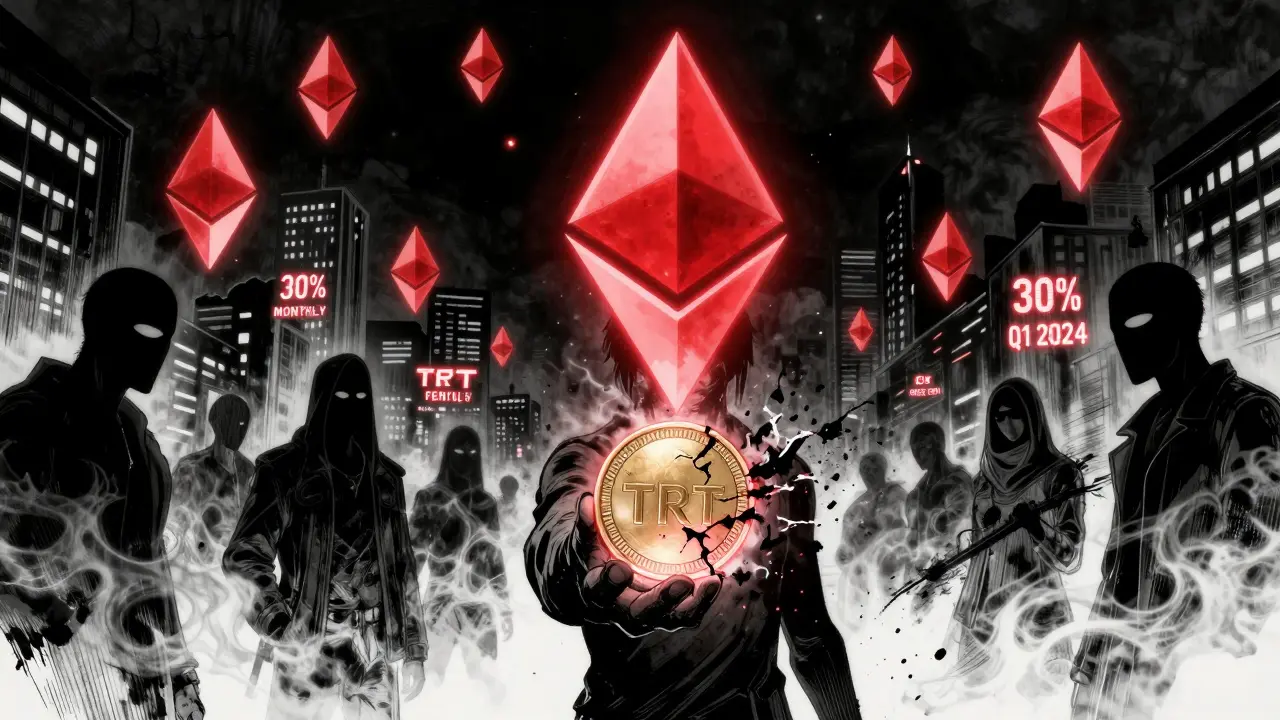
TRUST AI (TRT) is a high-risk crypto token with unverified AI claims, fake price data, and no working product. Learn why experts warn against it and what to look for instead.
Read More