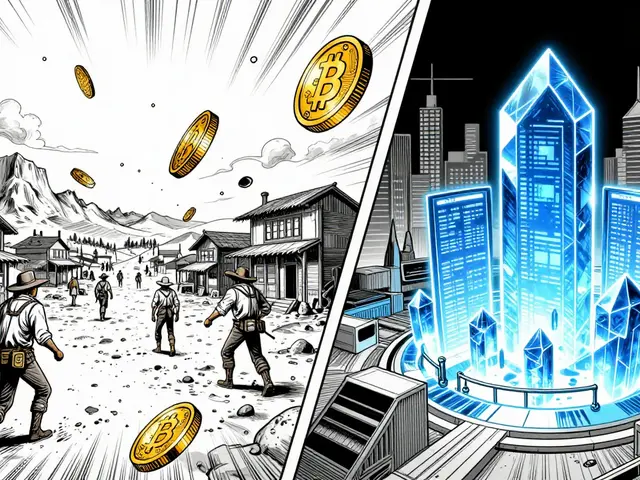
Cryptocurrency Ban in Bangladesh: What It Means for Users and Investors
When the cryptocurrency ban in Bangladesh, a strict government prohibition on buying, selling, or using digital currencies like Bitcoin and Ethereum. Also known as crypto trading restrictions, it was enforced by the Bangladesh Bank in 2021 to protect the national currency and prevent money laundering. This isn’t just a policy—it’s a legal wall. Any bank account linked to crypto exchanges can be frozen, and people caught trading face fines or even jail time under the Money Laundering Prevention Act.
The ban wasn’t random. It came after reports of fraud, scams, and large cash flows moving out of the country through unregulated platforms. Local exchanges like Binance and Coinbase aren’t allowed to operate openly, and even peer-to-peer trades are risky. But here’s the twist: people still trade. Thousands use informal channels, foreign wallets, and encrypted apps to buy and sell crypto. It’s not legal, but it’s widespread. The government doesn’t have the resources to track every transaction, so enforcement is patchy. Meanwhile, Bangladesh crypto regulation, the official rules that define how digital assets are treated under law. Also known as crypto legal framework, it remains frozen in time—no updates, no clarity, just a flat-out ban. That leaves users in a gray zone: they’re breaking the law, but the law isn’t actively stopping them.
What about remittances? Many Bangladeshis rely on crypto to send money home from abroad because traditional services like Western Union are slow and expensive. Some still use crypto for this, even if it’s risky. And then there’s the youth—tech-savvy, curious, and frustrated by limited banking access. They’re learning about DeFi, staking, and wallets despite the ban. It’s not about rebellion; it’s about opportunity. The crypto legality Bangladesh, the legal status of owning or using digital currencies in the country. Also known as crypto ownership rules, it’s unclear whether simply holding crypto is illegal—or only trading it. That ambiguity is what keeps people guessing.
There’s no official path to compliance. No licensed exchange, no tax form for crypto gains, no government-approved wallet. If you’re in Bangladesh and you’re using crypto, you’re doing it on your own terms. That’s why so many of the posts below focus on scams, fake airdrops, and shady exchanges—people are desperate for safe ways in. They’re being targeted by fraudsters who promise free tokens or guaranteed returns. The ban created a vacuum, and scammers filled it.
What you’ll find here isn’t a guide to getting around the law. It’s a reality check. These posts expose fake projects, warn about unregulated exchanges, and cut through the noise. You’ll see what happens when people try to trade crypto in a country that says no. You’ll learn which coins are dead, which platforms are traps, and why most "free crypto" offers are lies. This isn’t about bypassing the ban—it’s about surviving it without losing everything.
Nov
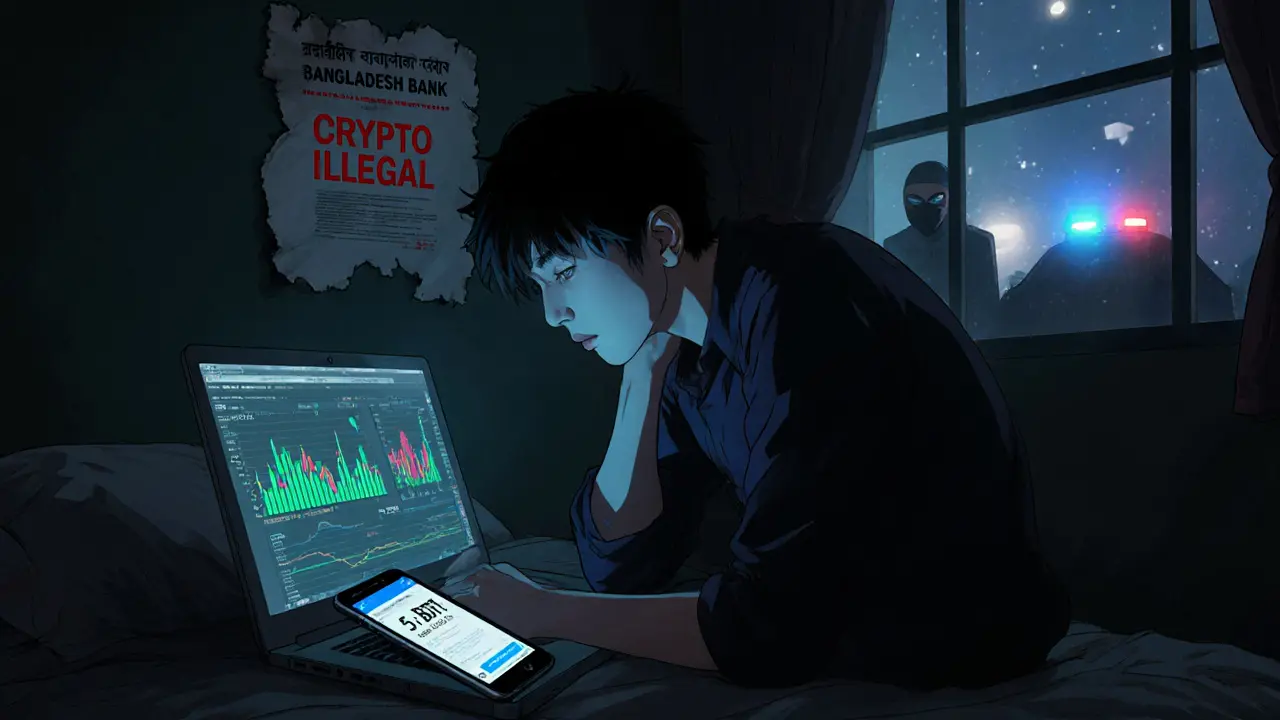
Crypto trading is illegal in Bangladesh, yet many still risk fines, jail, and bank freezes to trade Bitcoin and USDT. Learn the real dangers-from unregulated agents to tax traps and arrests-in 2025's strictest crypto environment.
Read More