BTRL Supported Coins: What You Need to Know About This Token and Its Ecosystem
When you hear BTRL, a token built for specific blockchain use cases, often tied to niche platforms or community-driven networks. Also known as BTRL token, it doesn’t exist in a vacuum—it only matters if it’s supported by exchanges, wallets, or dApps that people actually use. Most tokens fade away without real adoption, but BTRL’s value depends entirely on who accepts it, where it trades, and what it’s used for. If you’re holding it, you need to know: is this just another speculative asset, or does it have actual infrastructure behind it?
Related entities like blockchain token support, the network of platforms that enable a token to be traded, stored, or used in smart contracts and crypto token ecosystem, the collection of exchanges, wallets, DeFi protocols, and user communities that give a token real-world function are what separate live projects from dead ones. BTRL might be listed on a few small exchanges, but without liquidity, verified team activity, or integration into usable tools, it’s just a number on a screen. Look at the posts below—you’ll see how many tokens get listed with fanfare but vanish within months because no one uses them. BTRL’s survival hinges on the same things: real trading volume, wallet compatibility, and active development. If those are missing, it’s not a coin—it’s a gamble.
What you’ll find here aren’t marketing pages or fake airdrop claims. These are real reviews of platforms that mention BTRL, or lack thereof. Some posts expose tokens that look like BTRL but are scams. Others show how even legitimate tokens fail without ecosystem support. You’ll learn which exchanges actually list BTRL (if any), which wallets let you hold it, and whether any DeFi tools accept it as collateral or reward. No fluff. No promises. Just what’s true today.
Nov
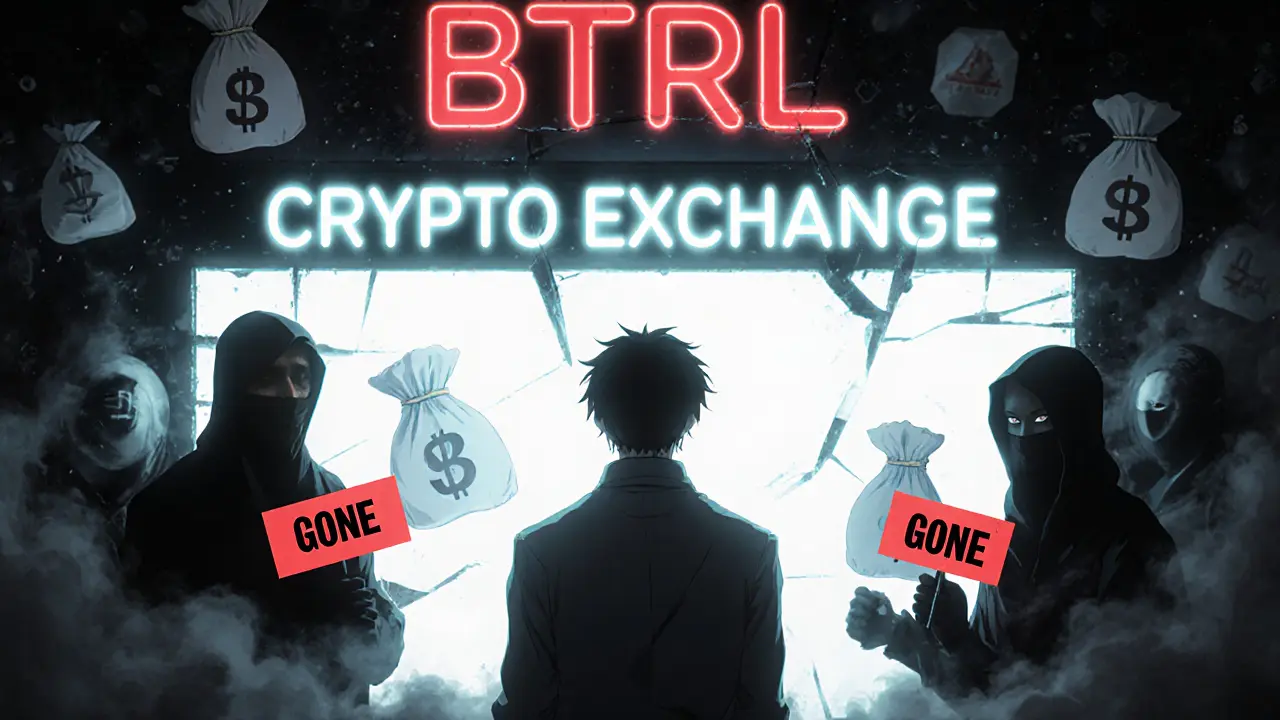
BTRL crypto exchange has no verifiable presence online. No website, no security details, no regulatory compliance. This is a classic crypto scam pattern. Avoid it at all costs and stick to trusted, regulated exchanges instead.
Read More