Blockchain Ownership: What It Really Means and Why It Matters
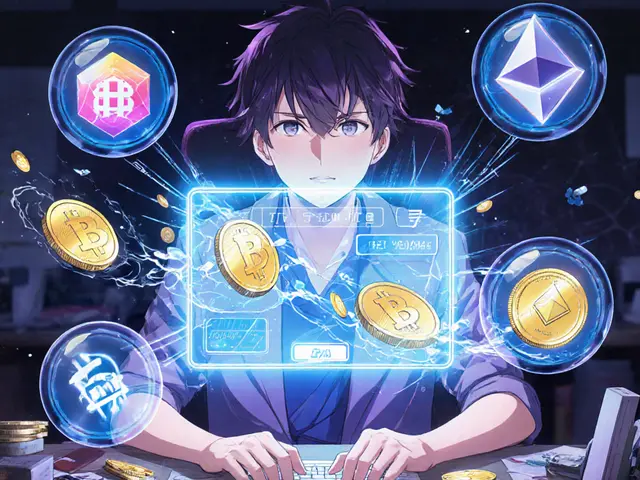
When you hear blockchain ownership, the ability to hold and control digital assets without intermediaries. Also known as self-custody, it means your coins, NFTs, or tokens aren't locked in a bank or exchange—you hold the keys, literally. This isn't just a tech buzzword. It's the foundation of everything DeFi, NFTs, and Web3 promise. If you own something on the blockchain, no one can freeze it, seize it, or delete it—unless they steal your private key.
But here's the catch: most people think owning a token means they own something valuable. They don't. True blockchain ownership, the ability to hold and control digital assets without intermediaries. Also known as self-custody, it means your coins, NFTs, or tokens aren't locked in a bank or exchange—you hold the keys, literally. isn't about price. It's about control. Think of it like owning a house versus renting. Renting is like keeping crypto on Binance or Coinbase—you can trade it, but they control the keys. Owning it is like having the deed to your house. You decide when to sell, who to send it to, and how to secure it. That’s why decentralized identity, a system where users control their own digital credentials without relying on central authorities. Also known as self-sovereign identity, it enables users to prove who they are without giving up personal data to corporations. matters. If you can’t prove you’re the owner, no one else can either. And if you lose your key? That asset is gone forever. No customer support, no reset button.
digital assets, items with value that exist only in digital form and are secured by blockchain technology. Also known as tokenized assets, they include cryptocurrencies, NFTs, and other blockchain-based rights. aren’t just pictures or coins. They’re rights—access to a game, voting power in a DAO, royalties from music, or even real-world property. That’s why tokenized rights, digital representations of legal or contractual entitlements encoded on a blockchain. Also known as smart contract rights, they automate ownership and transfer without middlemen. is the real game. A Bored Ape isn’t just art—it’s membership. A TRA fan token isn’t speculation—it’s a vote. And if you don’t understand that, you’re not owning assets—you’re gambling on hype.
That’s why the posts below aren’t just about prices or airdrops. They’re about who really controls what. You’ll find stories of scams where people lost everything because they trusted a fake airdrop. You’ll see how countries like Egypt and Bangladesh banned ownership outright. You’ll learn why exchanges like Bithumb Singapore shut down—and why their users lost access to their holdings. And you’ll see how projects like Xterio and ZAM TrillioHeirs built real ownership into their games, not just flashy logos.
Blockchain ownership isn’t about getting rich. It’s about getting free. Free from banks. Free from censorship. Free from middlemen. But freedom comes with responsibility. The next time you hear someone say "I own Bitcoin," ask them: Do you hold the keys? Or are you just a customer?
Dec
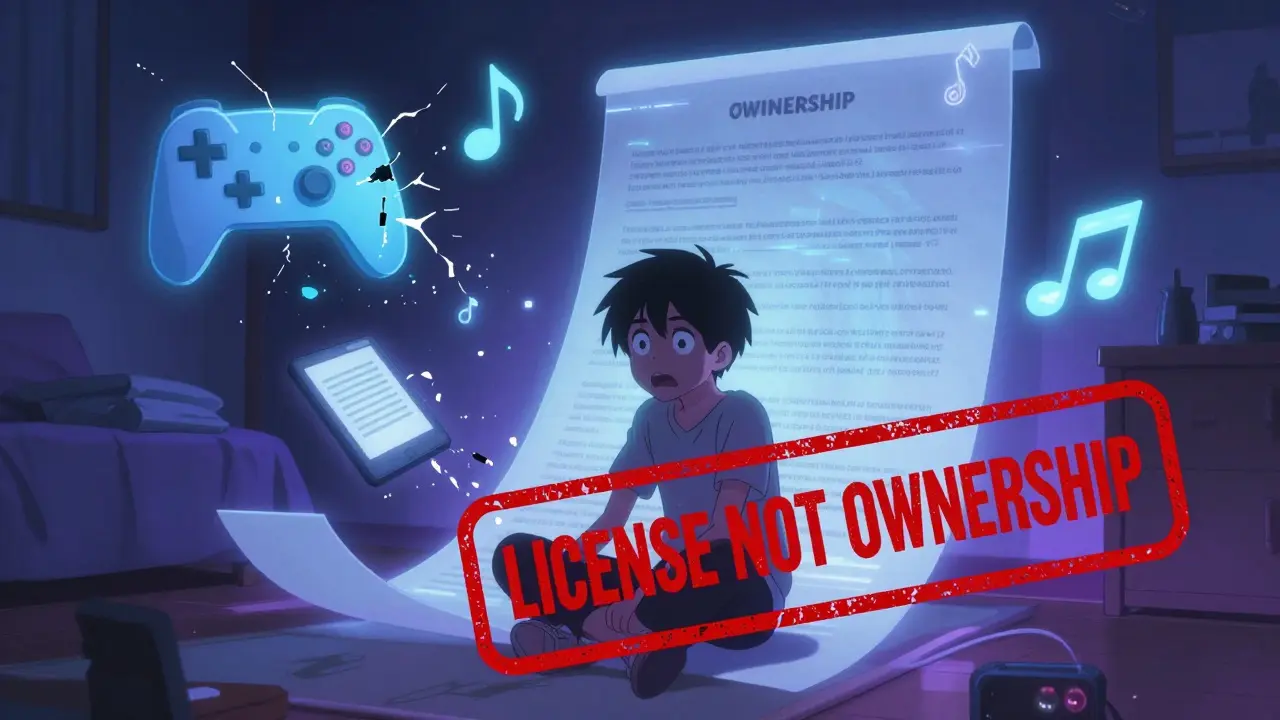
Most digital purchases aren’t sales - they’re licenses. Learn what you really own online, how California’s new law forces transparency, why blockchain offers real ownership, and what steps you can take to protect your digital assets.
Read More