
You’ve likely seen the posts on social media. They show a sleek digital billboard in New York’s Times Square flashing the logo of Position Exchange, a cryptocurrency platform claiming to distribute free tokens via a physical billboard event. The caption promises an exclusive “airdrop” if you scan a QR code or visit a specific website. It looks impressive. It feels urgent. But before you click that link or connect your wallet, you need to know the hard truth: this is almost certainly a sophisticated scam designed to steal your funds.
The idea of a crypto project handing out free tokens through a physical billboard in one of the world’s most expensive advertising markets sounds like marketing genius. In reality, it is technically impossible and financially nonsensical for any legitimate exchange. Let’s break down why this specific campaign-often referred to as the Position Exchange Times Square Billboard Event-is a red flag for fraud, not opportunity.
The Technical Impossibility of Billboard Airdrops
To understand why this is a scam, you first have to look at how cryptocurrency airdrops actually work. An airdrop is a distribution method where a blockchain project sends tokens to eligible wallet addresses. This process requires two things: a smart contract on a blockchain (like Ethereum or Solana) and a list of public wallet addresses to send the tokens to.
A physical billboard, no matter how high-tech, cannot do either of these things. Times Square billboards are essentially giant outdoor monitors. They run on standard digital signage software from companies like Daktronics or Watchfire. They display images or videos. They do not have NFC chips, Bluetooth connectivity, or direct links to blockchain networks. You cannot “receive” crypto by standing in front of a screen.
Legitimate projects use billboards for brand awareness, yes. Think of Coinbase or Crypto.com buying space during the Super Bowl or in major cities. Their goal is to get you to download their app or learn about their service. They never promise instant token distribution via a physical object. When a project claims you can get free money just by interacting with a billboard image, they are bypassing the fundamental mechanics of how blockchain technology works.
How the Position Exchange Scam Operates
If the billboard itself can’t distribute tokens, then what is the point of the campaign? The answer lies in the psychological manipulation used by scammers. Here is the typical playbook for this type of fraud:
- Fake Imagery: Fraudsters create realistic-looking mockups of Times Square billboards using Photoshop. They often use stock photos of the Nasdaq Tower or One Times Square and overlay the fake “Position Exchange” logo.
- Social Media Amplification: These images are posted on TikTok, Instagram, and Twitter with hashtags like #CryptoAirdrop, #FreeETH, or #TimesSquare. Bots and fake accounts boost engagement to make the event look popular and legitimate.
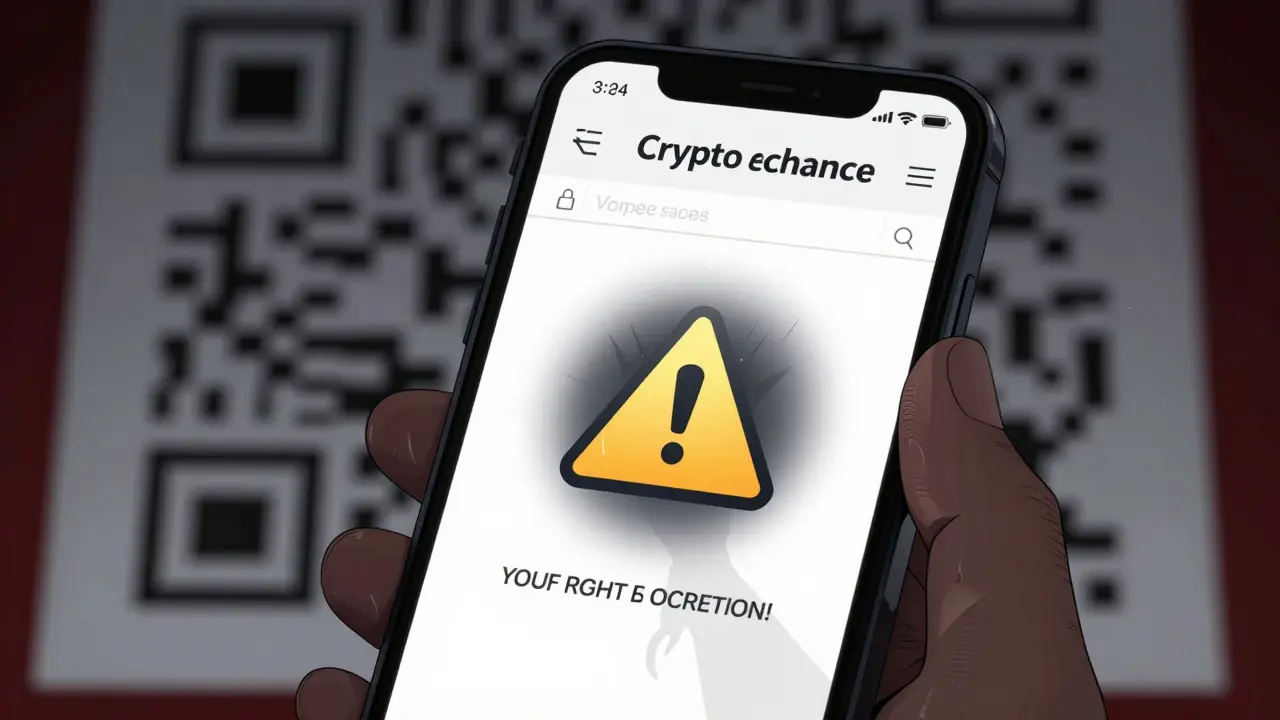
- The Hook: The post directs users to a landing page or a QR code. The claim is that scanning the code or clicking the link registers you for the airdrop.
- The Theft: Once you land on the site, you are asked to connect your wallet (like MetaMask or Trust Wallet) or enter your seed phrase. As soon as you do, the malicious script drains your assets. Some variants ask for small “gas fees” upfront, which they also steal.
This isn’t theoretical. According to data from the Blockchain Transparency Institute’s Q4 2023 report, there were 142 verified cases of similar “billboard airdrop” scams. The average victim lost $1,850. Chainalysis, a leading blockchain forensics firm, traced over $2.3 million in ETH losses to this specific scam variant since November 2025 alone. The funds are quickly moved through mixers like Tornado Cash to hide the trail.
Red Flags That Signal a Crypto Scam
You don’t need to be a cybersecurity expert to spot these scams. There are several clear warning signs that should stop you in your tracks immediately.
| Red Flag | Why It’s Dangerous |
|---|---|
| Too Good to Be True | Legitimate exchanges don’t give away millions of dollars in tokens for free. If it sounds too good to be true, it is. |
| Urgency & FOMO | Scammers use phrases like “Limited Time,” “First 1,000 Only,” or “Ends Tonight” to force you to act without thinking. |
| No Official Verification | Check the official website of the exchange. If they haven’t announced the event on their main site or verified social channels, it’s fake. |
| QR Codes Leading to Unknown Sites | Never scan a QR code from a stranger’s post. It could lead to a phishing site designed to look like the real thing. |
| Request for Seed Phrase | NO legitimate service will ever ask for your 12-24 word seed phrase. This is the master key to your wallet. |
In the case of Position Exchange, a quick check reveals more problems. The domain position.exchange currently resolves to a parked page, meaning it has no active content or business presence. There are no filings with the SEC or CFTC referencing this entity. Furthermore, searches on blockchain explorers like Etherscan or BscScan show zero transactions linked to a “Position Exchange Times Square Airdrop.” If a real airdrop were happening, you would see massive activity on-chain. Instead, you see silence.
Why Times Square Billboards Are Targeted
Why do scammers choose Times Square specifically? It’s all about authority bias. Times Square is synonymous with success, wealth, and legitimacy. By associating their fake brand with this iconic location, scammers borrow credibility they don’t have.
The cost of advertising in Times Square is astronomical. Standard digital displays can cost upwards of $55,000 per day, while premium synchronized campaigns can exceed $500,000. No legitimate startup or even established crypto exchange would spend that much money solely to distribute free tokens. The return on investment makes no sense. Legitimate advertisers pay for impressions to build brand recognition, not to give away product inventory for free. The fact that this “campaign” exists only on social media and not in official advertising logs is a dead giveaway.
Moreover, the New York City Department of Consumer and Worker Protection maintains a permit database for all commercial activities in the city. As of late 2025, there are no active permits for cryptocurrency-related billboard events tied to Position Exchange. The New York Attorney General’s office has even opened investigations into similar schemes, issuing warnings to the public about these deceptive practices.
Protecting Yourself From Crypto Scams
The best defense against these scams is skepticism and verification. Here are practical steps you can take to keep your assets safe:
- Verify Through Official Channels: Always go directly to the official website of the project. Do not click links from social media posts. Check their verified Twitter/X account or Discord server for announcements.
- Use a Hardware Wallet: For significant holdings, use a hardware wallet like Ledger or Trezor. These devices require physical confirmation for transactions, making it harder for remote malware to drain your funds.
- Never Share Your Seed Phrase: Treat your seed phrase like a password to your bank account. Never type it into a website, never share it with support staff, and never store it digitally.
- Reverse Image Search: If you see a billboard photo, upload it to Google Images or TinEye. Scammers often reuse the same fake images across multiple scam campaigns. You might find the same “billboard” advertised for five different fake coins.
- Check Domain Age: Use tools like WHOIS to check when a website was registered. Scam sites are often created days or weeks before the “event.” Legitimate projects have domains that have been active for years.
Dr. Sarah Chen, Director of the NYU Cybersecurity Lab, summed up the issue perfectly in a 2025 interview: “The technical impossibility of distributing tokens via billboard displays makes 100% of such claims fraudulent. It’s like promising to mail cash through a television screen.”
What To Do If You’ve Been Scammed
If you clicked a link, connected your wallet, or sent funds to a Position Exchange scam site, time is critical. Unfortunately, blockchain transactions are irreversible, but you can mitigate further damage.
- Disconnect Immediately: Close the browser tab and disconnect your wallet from the malicious site.
- Revoke Permissions: Visit a tool like Revoke.cash to revoke any approvals you gave to the scammer’s contract. This prevents them from draining other tokens in your wallet later.
- Create a New Wallet: Generate a new wallet with a fresh seed phrase. Move any remaining assets from your compromised wallet to the new one. Note: If the scammer already has access to your private keys, moving funds won’t help-they can follow them. In this case, consider the old wallet fully compromised.
- Report It: File a report with the FTC (ftc.gov/complaint) and your local authorities. While recovery is rare, reporting helps law enforcement track patterns and shut down larger operations.
Remember, the crypto space is filled with innovation, but it is also rife with predators. The Position Exchange Times Square Billboard Event is not a missed opportunity; it is a trap. By understanding how these scams work and staying vigilant, you can protect your hard-earned assets. Don’t let FOMO override your common sense. If it doesn’t make technical or financial sense, it’s not real.
Is Position Exchange a legitimate cryptocurrency exchange?
No. There is no evidence that Position Exchange is a legitimate, regulated cryptocurrency exchange. The domain associated with the name is parked, and there are no regulatory filings with bodies like the SEC or CFTC. All current information points to it being a facade for a scam operation.
Can I really get free crypto from a Times Square billboard?
No. It is technically impossible to distribute cryptocurrency tokens through a physical billboard. Billboards are display screens only and cannot interact with blockchain wallets or smart contracts. Any claim suggesting otherwise is a scam.
What happens if I scan the QR code from the Position Exchange ad?
Scanning the QR code will likely direct you to a phishing website designed to look like a legitimate crypto portal. Once there, you may be prompted to connect your wallet or enter your seed phrase. Doing so will allow scammers to steal your cryptocurrency assets instantly.
How can I verify if a crypto airdrop is real?
Always verify through official channels. Check the project’s official website and verified social media accounts. Look for announcements on reputable crypto news sites like CoinDesk or Cointelegraph. Never trust unsolicited messages, social media ads, or images shared by unknown users. If the deal seems too good to be true, it almost always is.
Why do scammers use Times Square in their fake ads?
Scammers use Times Square imagery to create a false sense of legitimacy and prestige. Because Times Square is associated with major brands and high-value advertising, victims may assume that a company advertising there must be credible. This is known as authority bias, and it is a common tactic in social engineering attacks.