

You own your data. You control your assets. No middlemen take a cut. That is the promise of Web3, the next generation of internet technology built on blockchain infrastructure that prioritizes user ownership and decentralization. Coined by Ethereum co-founder Gavin Wood in 2014, Web3 has moved far beyond simple cryptocurrency trading. By 2025, it had evolved into a complex ecosystem powering finance, social media, gaming, and content creation. The total value locked (TVL) in these protocols hit $85.7 billion in Q1 2025 alone. But what does this actually look like for you? Are these just hype cycles, or are there real tools changing how we interact online?
How Web3 Differs From the Internet You Know
To understand Web3 applications, you first need to see what they replace. In the current Web2 model, companies like Google, Facebook, and Amazon act as gatekeepers. They host your data, control your identity, and monetize your attention. If they ban you, you lose everything. Web3 flips this script. It uses blockchain technology, a distributed ledger system that records transactions across many computers so that any record cannot be altered retroactively without altering all subsequent blocks. This creates a trustless environment where code, not corporations, enforces rules.
The technical backbone relies heavily on smart contracts-self-executing agreements with the terms directly written into code. Ethereum remains the dominant infrastructure, hosting about 64.3% of all Web3 apps as of early 2025. However, alternatives like Solana, Polygon, and BNB Chain are gaining ground due to lower costs and higher speeds. Instead of logging in with a password, you connect a digital wallet like MetaMask or Phantom. This wallet acts as your universal ID, holding your assets and verifying who you are without revealing your personal details to every site you visit.
Decentralized Finance (DeFi): Banking Without Banks
If you want to see Web3 working at scale, look at DeFi. This sector dominates the landscape with over $58.3 billion in TVL. DeFi applications allow you to lend, borrow, and trade assets peer-to-peer, removing banks from the equation. Platforms like Aave and Compound lead this space. How do they work? When you deposit crypto into Aave, you aren't giving it to a bank manager. You're providing liquidity to a pool. Smart contracts automatically adjust interest rates every 15 seconds based on supply and demand. Compare that to traditional banks adjusting rates monthly, and you can see the efficiency gain.
Let's say you want to earn interest on your stablecoins. On a traditional platform, you might get 0.01%. On a DeFi protocol, depending on market conditions, that could be significantly higher. But here is the catch: you bear the risk. If the smart contract has a bug, or if the underlying asset crashes, you don't have FDIC insurance. You have code. This is why security audits are critical. Despite the risks, the utility is undeniable for the 1.4 billion unbanked adults globally who lack access to traditional financial services but have smartphones and internet access.
NFTs Beyond Digital Art: Ownership and Utility
When people hear Non-Fungible Tokens (NFTs), they often think of expensive monkey pictures sold for millions. While art is part of it, the technology behind NFTs is much more powerful. An NFT is a unique digital certificate of ownership recorded on the blockchain. Marketplaces like OpenSea, which holds nearly 44% of the market share, process billions in volume, but the real innovation lies in utility.
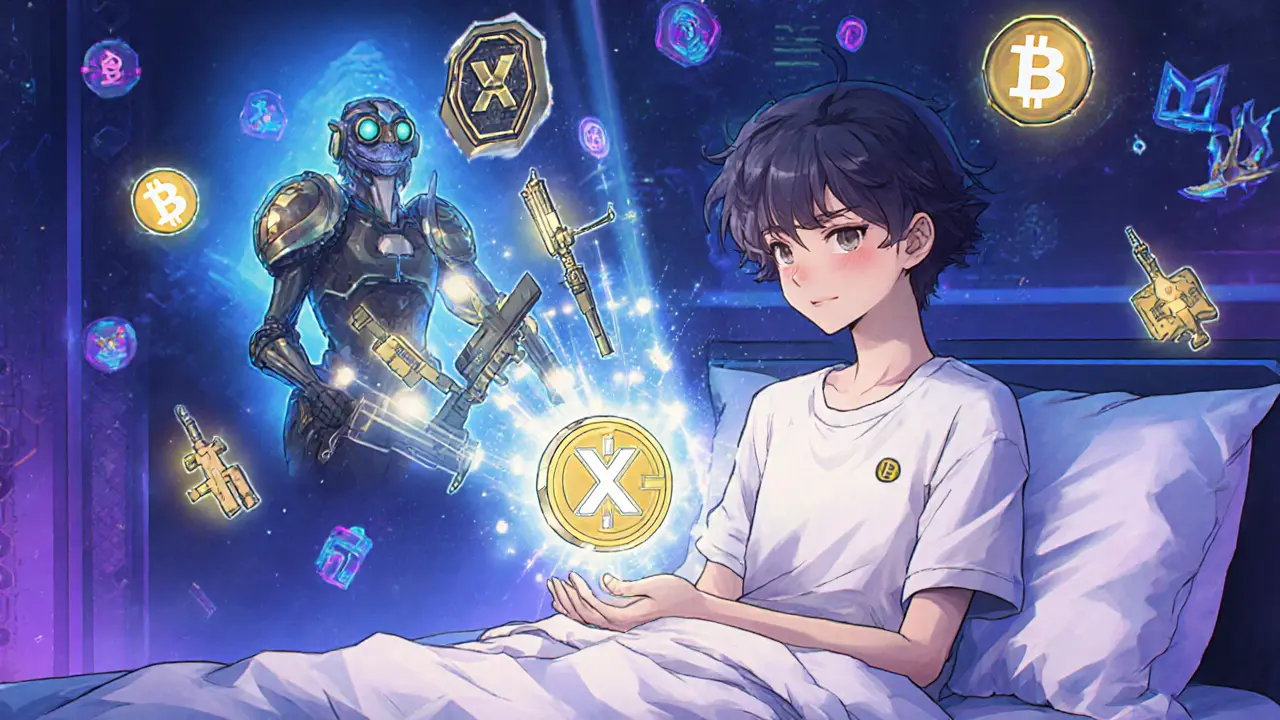
Consider ticketing. Event organizers are using NFTs to eliminate scalping. Because each ticket is tied to a specific wallet and can have programmable resale limits, secondary markets become transparent and fair. In gaming, NFTs represent true ownership of in-game items. Unlike Web2 games where you rent skins from the developer, Web3 games let you sell your sword or armor to another player for real money. Projects like Axie Infinity demonstrated this model, though they also highlighted the volatility risks when token prices drop. The key takeaway is that NFTs shift digital goods from licensed usage to verifiable ownership.

Play-to-Earn and Blockchain Gaming
Gaming is one of the fastest-growing segments in Web3. Traditional games keep players trapped in walled gardens. Blockchain games introduce an open economy. Games like STEPN and Axie Infinity pioneered the 'play-to-earn' model, where users earn tokens by playing. However, the industry has matured. Early models relied too heavily on speculative token growth rather than genuine fun. When the token price dropped, users left in droves. STEPN saw a 67% user decline in 2024 after its token plummeted.
The new wave focuses on 'play-and-earn' or simply better gameplay with optional crypto elements. These games integrate NFTs for character progression and item trading but prioritize engaging mechanics. The barrier to entry remains high for some; Axie Infinity's starter pack cost around $47.50 in early 2025, which is steep compared to average daily incomes in target markets like the Philippines. Developers are now focusing on lowering these entry costs while maintaining economic sustainability, moving away from pure Ponzi-like structures toward balanced in-game economies.
DAOs: Community-Governed Organizations
What happens when you remove the CEO? You get a Decentralized Autonomous Organization (DAO). A DAO is a community-led entity with no central governing body. Decisions are made through voting by token holders. Imagine a mutual fund where every shareholder gets a vote on every investment decision, executed instantly by code. This is the power of DAOs.
Platforms like MakerDAO manage billions in assets through community governance. Members propose changes to interest rates or collateral types, and others vote. If the proposal passes, the smart contract executes it automatically. This model is being adopted by creative collectives, investment clubs, and even non-profits. It ensures transparency and aligns incentives, as those who hold the governance tokens have a direct stake in the organization's success. However, voter apathy and coordination challenges remain significant hurdles. Getting thousands of anonymous users to agree on a direction is harder than getting five board members to sign off.

Decentralized Storage and Bandwidth
Your photos and files currently live on servers owned by Amazon, Google, or Microsoft. If they go down, your data is inaccessible. If they censor you, your data disappears. Decentralized storage solutions like Filecoin, IPFS, and Storj offer an alternative. These networks distribute your data across thousands of nodes worldwide. To retrieve it, you pay a small fee to the node operators.
Filecoin and IPFS collectively store exabytes of data across tens of thousands of nodes. This approach offers up to 70% cost savings compared to traditional cloud storage like AWS S3. The trade-off is speed. Retrieving data from decentralized networks can take longer-averaging 3.2 seconds versus 0.8 seconds for AWS. For most users, this delay is negligible. For high-frequency trading algorithms, it matters. But for archiving, backups, and hosting static websites, decentralized storage provides resilience against censorship and single points of failure.
The User Experience Challenge
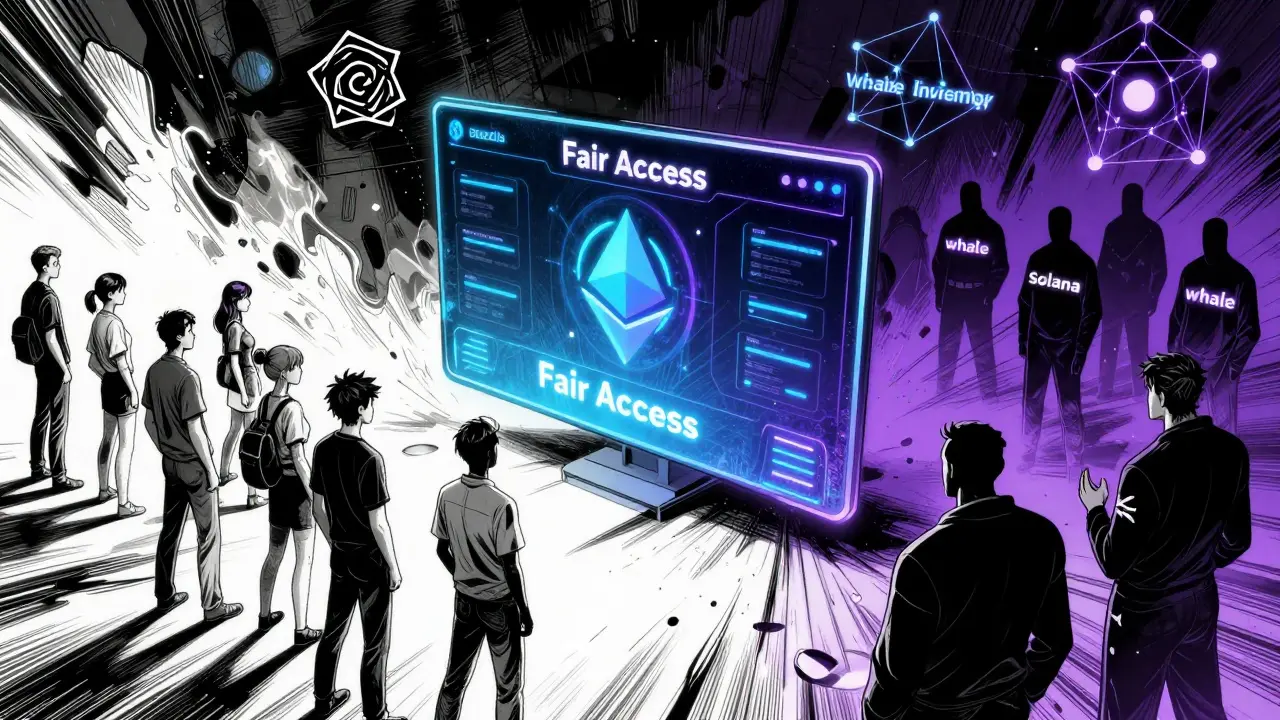
Despite the technological promise, Web3 faces a massive usability problem. Setting up a basic interaction requires navigating seven discrete steps: installing a wallet, buying crypto, configuring networks, bridging tokens, adjusting slippage, signing transactions, and waiting for confirmation. This friction is real. A 2025 study found that 72% of failures occur during wallet setup alone. Private key management is terrifying for beginners. Lose your seed phrase, lose your money. There is no 'forgot password' button.
Gas fees add another layer of complexity. On Ethereum mainnet, transaction costs can spike unpredictably. While Layer 2 solutions like Optimism and Arbitrum have reduced costs to pennies per transaction, understanding when to use which network is confusing. Scams are also prevalent. Phishing sites mimic popular dApps, tricking users into signing malicious transactions. Trustpilot reviews for wallets often cite insufficient customer support for lost funds. Until the user experience becomes invisible-where you interact with Web3 apps as easily as you do with Netflix-the mass adoption will remain limited to crypto-native users.
| Category | Primary Function | Key Example | Main Risk |
|---|---|---|---|
| DeFi | Lending, Borrowing, Trading | Aave, Uniswap | Smart Contract Bugs |
| NFTs | Digital Ownership, Provenance | OpenSea, Blur | Market Volatility |
| Gaming | Play-to-Earn, Asset Ownership | Axie Infinity, STEPN | Sustainable Tokenomics |
| Storage | Data Hosting, Backup | Filecoin, IPFS | Retrieval Speed |
| DAOs | Community Governance | MakerDAO, Gitcoin | Voter Apathy |
Regulation and the Future Landscape
The regulatory environment is shifting rapidly. The EU's MiCA framework, effective January 2025, forced many decentralized exchanges to implement strict KYC procedures, causing some to restrict access for European users. This highlights the tension between decentralization and compliance. Meanwhile, enterprise adoption is growing cautiously. Major financial institutions like JPMorgan and BlackRock are experimenting with blockchain for trade finance and asset tokenization, often adopting a 'blockchain but not crypto' strategy to avoid regulatory heat.
Looking ahead, the convergence of AI and Web3 promises exciting developments. AI-curated NFT galleries and personalized decentralized services are emerging. The Prague upgrade to Ethereum in March 2025 reduced transaction finality time significantly, improving the overall experience. As wallets become easier to use and gas fees stabilize, Web3 applications may finally move from niche experiments to mainstream utilities. The goal is clear: an internet where you own your digital life, free from corporate surveillance and arbitrary bans. Whether it achieves that depends on solving the trilemma of security, scalability, and usability.
What is the simplest example of a Web3 application?
A decentralized exchange like Uniswap is one of the simplest examples. You connect your wallet, select the tokens you want to swap, and confirm the transaction. No account creation, no email verification, and no central company holding your funds. The smart contract handles the trade automatically.
Are Web3 applications safe to use?
Safety depends on your actions. The underlying blockchain technology is highly secure, but smart contracts can have bugs, and phishing scams are common. Always verify URLs, use hardware wallets for large amounts, and start with small transactions. Unlike banks, there is no customer service to recover lost funds if you make a mistake.
Do I need to buy Bitcoin to use Web3 apps?
Not necessarily. Most Web3 apps run on Ethereum or other blockchains like Solana or Polygon. You will need the native currency of that chain (like ETH or SOL) to pay for transaction fees, known as gas. You can buy these directly within many wallets using a credit card, converting fiat currency to crypto seamlessly.
What is the difference between Web2 and Web3?
In Web2, platforms like Facebook or Twitter own your data and control your account. In Web3, you own your data and assets via a digital wallet. Web3 applications are decentralized, meaning no single company controls them. They operate on blockchain networks, ensuring transparency and user sovereignty.
Can I make money with Web3 applications?
Yes, but it involves risk. You can earn interest on deposits in DeFi protocols, sell NFTs you create or collect, earn rewards in play-to-earn games, or participate in DAO governance. However, values can fluctuate wildly, and smart contract risks exist. It is not passive income; it requires active management and research.






Billy Cunningham
August 6, 2026 AT 02:39Stop complaining about the learning curve and start reading the whitepapers 📚🧠 You're just lazy if you can't handle a seed phrase 😒
Joshua Hofford
August 7, 2026 AT 08:09Look, the friction is real, but think about the bigger picture here for a second. We are moving away from an era where a single entity can freeze your assets with a snap of their fingers, and that is a profound shift in human liberty. Yes, losing a seed phrase sucks, but losing your life savings because a bank decides you're politically incorrect is worse. The technology is immature, sure, but the philosophy behind it-that we should own our digital selves-is beautiful and worth the initial headache. Give it time, folks, the UX will smooth out as the demand grows.
Ed Mitchell
August 7, 2026 AT 11:12The entire premise of Web3 is a elaborate scam designed to launder money for the elite while keeping the masses distracted with shiny monkey pictures. They want you to believe you own data, but really they are just harvesting more metadata through your wallet interactions. The 'decentralization' is a myth because all the major exchanges are KYC'd and controlled by the same few venture capital firms. Wake up people! The blockchain is not a tool for liberation; it is a panopticon with extra steps. The government wants this to fail so they can roll out the CBDCs without resistance, and these 'innovators' are playing right into their hands.
Erica Johnson
August 8, 2026 AT 16:18You're being overly dramatic again Ed. Not everything is a conspiracy theory. DeFi protocols have open-source code that anyone can audit. If there were a massive centralized plot, wouldn't the developers have leaked it by now? Besides, I've made decent returns on Aave without any 'elite' involvement, just basic supply and demand economics. Maybe look into the tech before dismissing it all as a government psyop.
Ken G
August 10, 2026 AT 08:07morality has no place in finance only greed drives progress yet we pretend otherwise. the system is rigged regardless of whether it is banks or code. i see no difference between a CEO stealing from shareholders and a smart contract dev pulling a rug pull. both are sins against the common man. we need regulation not decentralization. keep your crypto and your lies to yourself.
Marcia Albert
August 12, 2026 AT 06:04I just find it fascinating how we went from trusting banks to trusting lines of code written by anonymous wizards on the internet. It’s like swapping a known villain for a mysterious stranger. But hey, at least the stranger doesn’t judge your credit score, right? The NFT ticketing part actually sounds cool though. No more scalpers selling Taylor Swift tickets for $5000 on StubHub would be a nice change of pace.
Emma Smith
August 12, 2026 AT 23:42the paradigm shift is ontological not just technological. when you hold an nft you are holding a piece of the soul of the internet itself. its not just a jpeg its a manifestation of desire encoded in binary. most people miss this nuance because they are stuck in materialist thinking. they see price charts instead of spiritual value. wake up to the new reality where ownership is fluid and identity is fragmented across multiple chains. its beautiful chaos.
Lorraine Surringer
August 14, 2026 AT 15:36Oh honey, please tell me you’re not still buying those ape pictures thinking they’ll pay for your retirement. 🙄 The market crashed hard and everyone forgot about utility until it was too late. I’ve seen too many friends lose thousands chasing hype. Stick to blue chips or stay out entirely, sweetie. Don’t let the FOMO get to you, it’s a trap.
Alex Di Mango
August 15, 2026 AT 23:40Let’s try to keep things civil here. Everyone has different risk tolerances. For some, the potential upside of early adoption outweighs the volatility. For others, stability is key. Neither approach is inherently wrong. The beauty of Web3 is that it offers options for both types of people. We can learn from each other’s experiences rather than judging. What do you think, Lorraine? Have you found any projects that actually deliver on their promises?
Amor Jordan
August 17, 2026 AT 02:16I feel like we’re all just waiting for the moment when using a crypto wallet feels as easy as logging into Netflix. Until then, it’s a niche hobby for the tech-savvy and the desperate. But I do hope the DAO model works out for community projects. Imagine a neighborhood association run by transparent voting instead of backroom deals. That sounds like a dream come true for someone who values fairness.
Nick Darring
August 17, 2026 AT 10:34You know what’s ironic? We built this whole decentralized utopia to escape corporate control, and now we have ‘influencers’ telling us which coins to buy, just like stock gurus used to. It’s the same old game with new costumes. And don’t get me started on the environmental impact. Burning more electricity to store cat pictures is peak absurdity. We could power small countries with that energy waste. So much for saving the world, right? Instead, we’re just creating a parallel economy that benefits the same greedy bastards who ruined the first internet.
Eden Tadesse
August 18, 2026 AT 20:10i totally agree with the enviro point but also probems with spelling are distracting lol. anyway, the gaming part is interesting. play to earn sounds fun but only if you dont have to invest hundreds upfront. maybe thats why stepn failed? too expensive for normal ppl.
Eric Zehr
August 19, 2026 AT 06:17The entry cost is definitely a barrier, Eden. Developers are realizing that sustainable tokenomics requires lower barriers to entry. If you need $50 to start playing, you exclude 90% of the global population. The next wave of games will likely be free-to-play with optional NFT upgrades, similar to mobile games today. This hybrid approach might finally bridge the gap between Web2 audiences and Web3 mechanics. It’s a necessary evolution for mass adoption.
Namrata Mapgaonkar
August 20, 2026 AT 03:17from india perspective, web3 is huge for remittances. sending money home via traditional banks takes days and costs 5-10%. using stablecoins on polygon takes seconds and costs pennies. yes ux is bad but for millions of migrant workers this is life changing. ignore the west coast bros talking about apes and focus on real utility like cross border payments. its working already for us here. just need better wallets.
Rita Dutta
August 20, 2026 AT 19:26exactly! the narrative is skewed by american privilege. in emerging markets, financial exclusion is the norm not the exception. defi provides access to credit and savings accounts for people who have never stepped foot in a bank. its not about speculation its about survival. the colorful language of 'moonboys' distracts from the serious economic empowerment happening in places like nigeria and philippines. we must look beyond the hype to see the human impact.
Paul Smith
August 21, 2026 AT 11:03This is such a great point Namrata! 🌍💸 It’s easy to forget that for billions of people, banking isn’t a convenience, it’s a necessity they don’t have. Web3 might be clunky for us in the US, but for someone in Manila or Lagos, it’s a lifeline. The cultural shift towards self-sovereignty is powerful. Let’s keep focusing on these real-world use cases instead of just the price of Bitcoin. Thanks for sharing your perspective! 👏
Matthew Smith
August 21, 2026 AT 14:34regulation is inevitable and necessary. the wild west era must end. miCA in europe is a good start. clarity brings institutional money. without rules its just gambling. we need to protect consumers from scams and fraud. decentralization does not mean lawlessness. it means distributed responsibility. let the governments step in and clean up the mess. then maybe regular people will join safely. until then its too risky for the average joe.