Hacken security breach: What happened and how to protect your crypto
When Hacken security breach, a high-profile cyberattack on the blockchain security firm Hacken in 2022 that exposed vulnerabilities in smart contracts and internal systems. This wasn’t just a technical glitch—it was a wake-up call for the entire crypto industry. Hacken is known for auditing smart contracts and securing DeFi platforms, so when their own systems were compromised, it sent shockwaves through the community. The breach didn’t just steal data—it proved that even trusted security firms aren’t immune to clever attacks. And if they can fall, what does that mean for your wallet?
Related to this are crypto exchange security, the practices and technologies used to protect user funds and data on digital trading platforms, which often rely on third-party audits like those Hacken provided. When those audits are bypassed or manipulated, exchanges become easy targets. We’ve seen this pattern repeat: blockchain security, the layered defense system that includes code reviews, multi-sig wallets, and real-time monitoring is only as strong as its weakest link. Hacken’s breach showed that even firms with strong reputations can have hidden flaws—poor internal access controls, reused passwords, or unpatched dependencies. These aren’t sci-fi threats. They’re everyday mistakes that cost millions.
And it’s not just exchanges. The same risks apply to DeFi protocols, NFT marketplaces, and token contracts. If a project claims to be "audited by Hacken" but doesn’t publish the full report, that’s a red flag. If a wallet asks you to sign a strange transaction to "claim a reward," it’s probably a phishing trap. The smart contract audit, a detailed review of blockchain code to find bugs, backdoors, or exploitable logic isn’t a magic shield—it’s a starting point. Many audits are rushed, incomplete, or paid for by the very teams trying to hide flaws. Real security means ongoing monitoring, not a one-time checkup.
What you’ll find in these posts isn’t just news about the Hacken breach—it’s a deep dive into the patterns behind it. You’ll see how scams like BTRL, BITEJIU, and btcShark use the same tactics: fake security claims, hidden teams, and no real audits. You’ll learn how to spot a fake audit report, what questions to ask before trusting any platform, and how to protect your assets even when the experts fail. This isn’t about fear. It’s about knowing what to look for—and who to trust when the headlines scream "secure" but the code says otherwise.
Nov
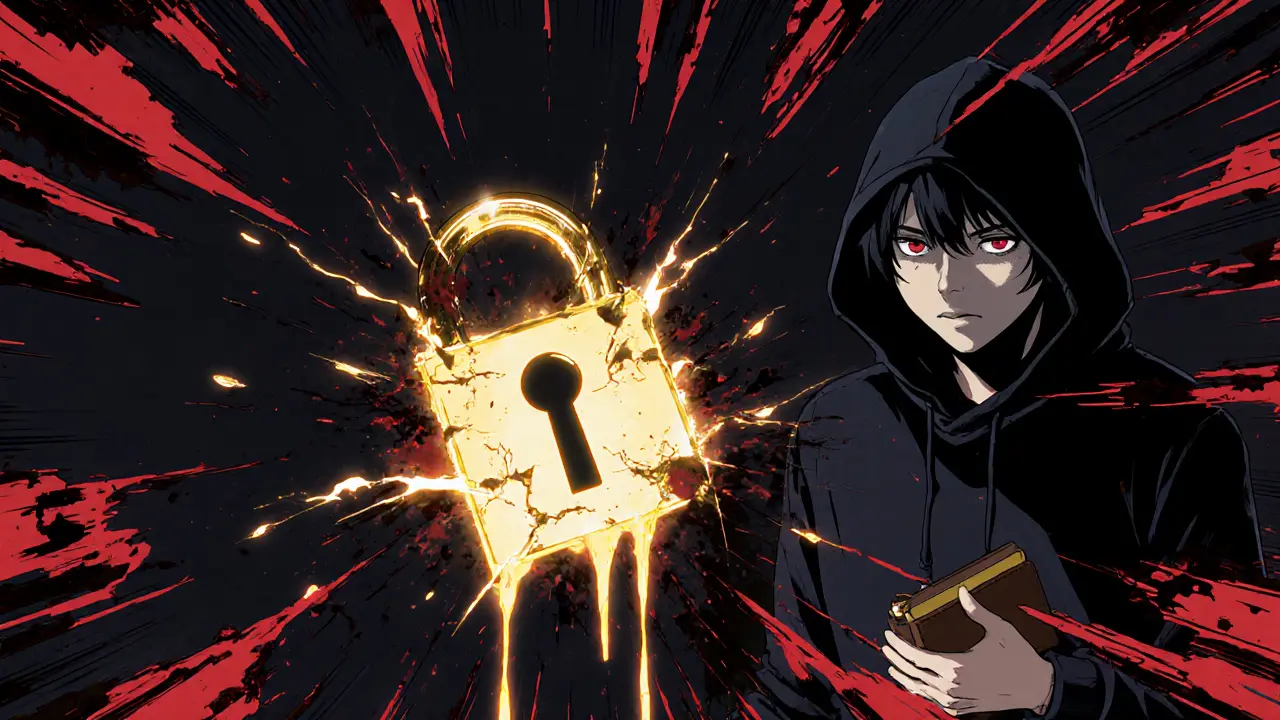
HAI token, once used for staking and governance on Hacken’s cybersecurity platform, crashed 99% after a private key leak allowed attackers to mint millions of new tokens. No airdrop exists - claims of free HAI are scams.
Read More